Pentagon Advances Drone Interceptor Prototypes With Anduril, Zone 5

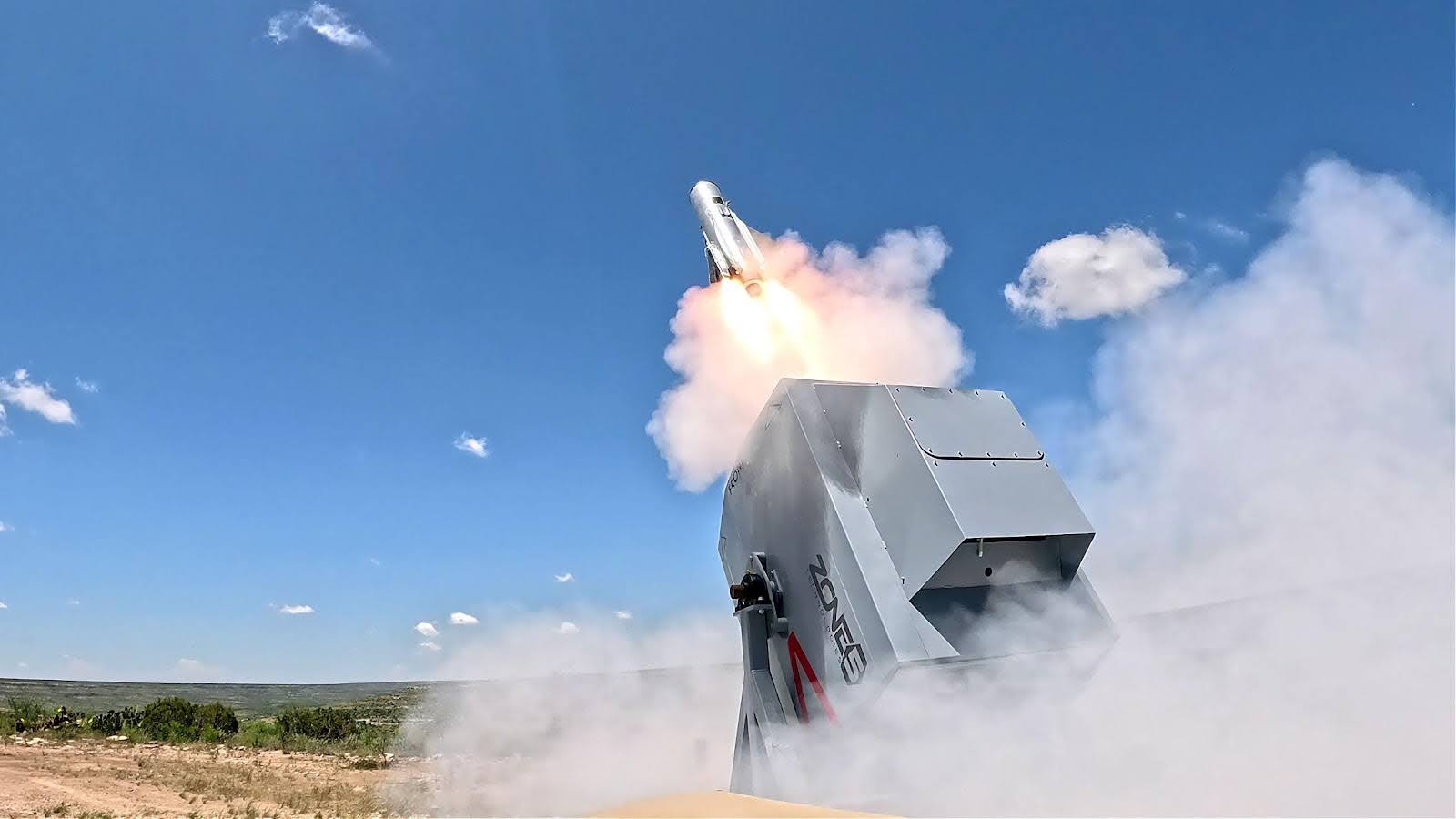
The Pentagon is accelerating development of advanced drone interceptors, selecting Anduril Industries and Zone 5 Technologies to refine prototype systems designed to neutralize larger, military-grade drones.
The companies were chosen under the Defense Innovation Unit (DIU)’s Counter NEXT program, which rapidly adapts commercially derived technologies for military air defense.
The initiative focuses on Group 3 and larger drones — systems weighing hundreds of pounds and capable of carrying surveillance payloads or weapons — that pose a growing threat to critical infrastructure and personnel.
Prototype Development and Funding
Anduril and Zone 5 were selected from more than 65 applicants. Both firms completed initial design sprints and baseline flight tests in under a year.
Following the demonstrations, DIU awarded additional funding to refine the prototypes, integrate them with partner combat systems, and complete safety testing ahead of a live-fire trial planned for summer 2026.
The prototypes use modular open systems architecture and commercial off-the-shelf components to reduce costs and mitigate supply chain risks.
Future work will include further flight tests and qualification activities to meet military requirements.
Closing Capability Gaps
Counter NEXT targets several shortcomings in current air defense systems, including limited interceptor availability, cumbersome reloading processes, and the high cost of conventional interceptors relative to inexpensive drones.
The program also emphasizes compatibility with existing defense networks.
“The Counter NEXT project is focused on leveraging the best-in-breed commercially derived technology and processes to accelerate the development, production, and fielding of these vital Counter UAS interceptors to our warfighters,” said DIU program manager Joshua Zike.
Broader Defense Context
The Pentagon is stepping up investment in counter-drone capabilities as unmanned aircraft proliferate across modern battlefields.
Group 3 drones and above, such as the Iranian-made Shaheds used in Ukraine and the Middle East, have exposed the challenge of balancing cost-effective defenses with reliable lethality.
Counter NEXT is one of several Department of Defense efforts to field layered defenses.
The army, for example, is integrating new counter-UAS systems on Apache helicopters, while the LOCUST mobile laser system is being tested under the AMP-HEL initiative. A recent Pentagon competition further underscores the drive to advance counter-drone technologies across services and industry partners, highlighting the need for flexible, multi-layered solutions against increasingly sophisticated unmanned threats.