Two Estonian defense firms have been chosen for the next phase of NATO’s Defence Innovation Accelerator for the North Atlantic (DIANA), making the Baltic state one of only a handful of allies with multiple firms advancing in the program.
Wayren and Telearmy were selected from a pool of more than 2,600 applicants, joining 13 other companies in Phase 2.
DIANA is NATO’s effort to speed up the development of new defense technologies by connecting small firms with funding, testing facilities, and pathways to adoption across the alliance.
Wayren specializes in resilient battlefield communications designed to maintain secure voice and data links even when networks are disrupted, automatically switching between satellites, radios, and mobile infrastructure.
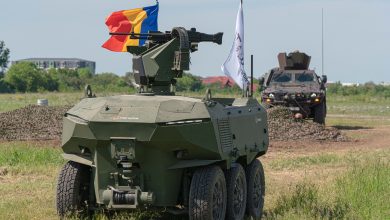
Telearmy is developing remote-driving systems for military vehicles, enabling existing all-terrain or armored platforms to be converted into unmanned assets for logistics, reconnaissance, or casualty evacuation.
Both firms will receive 300,000 euros ($352,000) in funding, access to NATO test centers, and support through the alliance’s Rapid Adoption Service. The package is intended to help companies transition from prototypes to field-ready technologies deployed by allied militaries.
Defense Minister Hanno Pevkur said the achievement “shows how quickly Estonian entrepreneurs can adapt, act, and seize opportunities.”
Advancing Estonia’s Defense Capacity
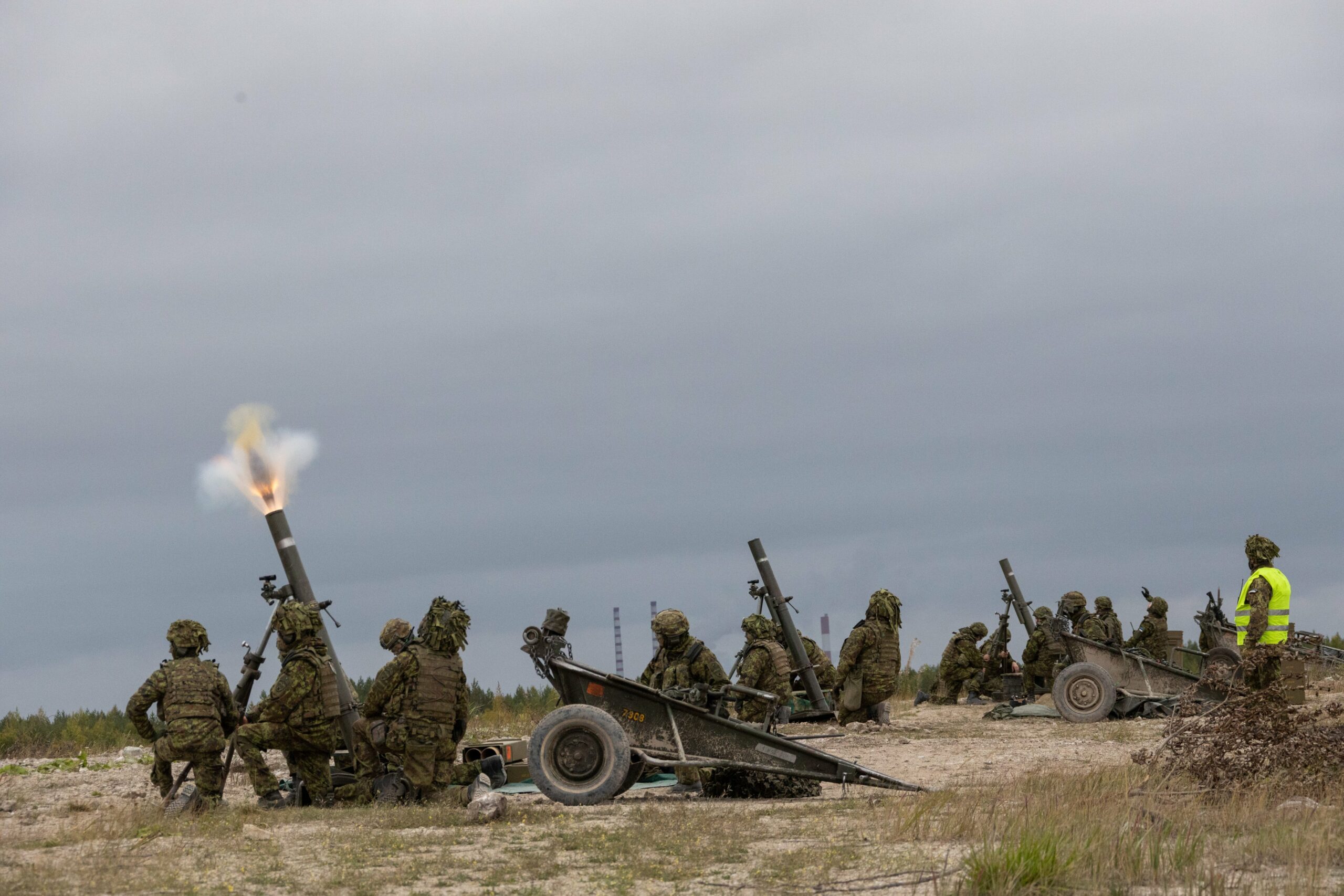
Estonia’s success in DIANA comes as the country is dramatically ramping up its defense posture.
The government has approved plans to raise defense spending to at least 5 percent of GDP by 2026 and maintain that level through 2029. This investment is aimed at modernizing Estonia’s armed forces across multiple fronts, from air and missile defense systems to expanded drone and electronic warfare capabilities.
Recent procurements underline the speed and breadth of Estonia’s buildup. In March, the country received ARMA 6×6 and NMS 4×4 armored vehicles from Turkey to reinforce its infantry brigades. It is also setting up a new factory for explosive materials, a move intended to secure and boost local ammunition production in response to regional shortages.