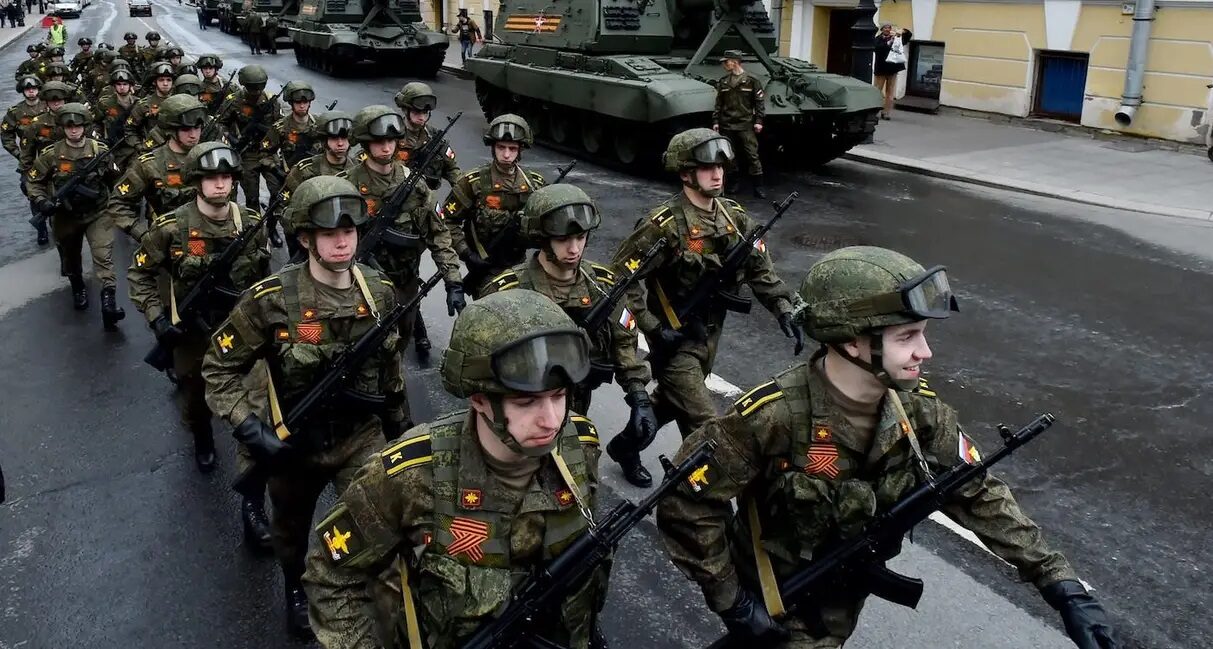
Russia has changed how it fights on the front lines, swapping big offensives for small, quick raids designed to slowly drain Ukraine’s defenses, according to Kyiv’s top commander.
Gen. Oleksandr Syrskyi, Commander-in-Chief of the Ukrainian Armed Forces, said that Russian troops now move in teams of just four to six soldiers.
These groups slip through Ukrainian lines, attack supply routes, and pull back before Ukrainian forces can strike back. He called the approach a “thousand cuts” strategy — many small blows meant to wear down an opponent over time.
“Since the beginning of summer, there has been a change in the enemy’s tactics,” The Moscow Times quoted Syrskyi as saying.
“Their main task is to penetrate as deeply as possible into our territory, to withdraw, regroup and advance again — then attack targets deep inside to paralyze our logistics and troop rotations.”
Instead of gaining large areas, Russia often plants flags on tiny pieces of land to show “progress.” Syrskyi said these moments are mostly for propaganda value.
Fighting is especially heavy around Dobropillia and Novopavlivka in the Donetsk region, as well as parts of Dnipropetrovsk. The front line now stretches about 1,250 kilometers (777 miles), putting more strain on Ukrainian troops.
Pressure Growing in the East
Before the update on Moscow’s new strategy, Russia recently claimed it captured Yunakivka, a small village in the Sumy region.
Sources said that Russia gained only about 1 percent of Ukrainian land in the past year, though it still controls roughly one-fifth of the country.
In Pokrovsk, Syrskyi said Russian troops advanced about 20 kilometers (12 miles) before being encircled near the Kazennyi Torets river, adding that Ukraine has retaken or cleared roughly 360 square kilometers (139 square miles) in recent weeks.
Ukraine Adapts Defenses
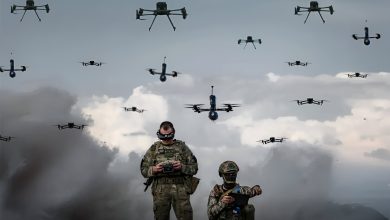
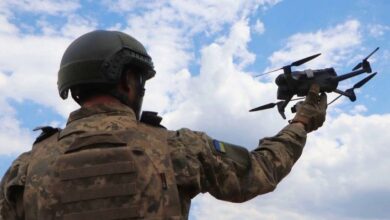
Ukraine is now reinforcing its air defenses with helicopters, small planes, and new interceptors that Syrskyi said shoot down about 70 percent of incoming drones.
Fixed-wing aircraft armed with machine guns are also being tested, while a new drone unit has carried out 85 strikes inside Russia in under two months, hitting military sites and weapons factories.
Syrskyi highlighted that the attacks have disrupted fuel supplies and slowed logistics, The San Diego Union-Tribune reported.
With winter approaching and Russia expected to target Ukraine’s power grid, he described the conflict as a slow grind in which both sides are adapting to outlast the other.