US Counter-Drone Defenses ‘Insufficient’ Against China: Report

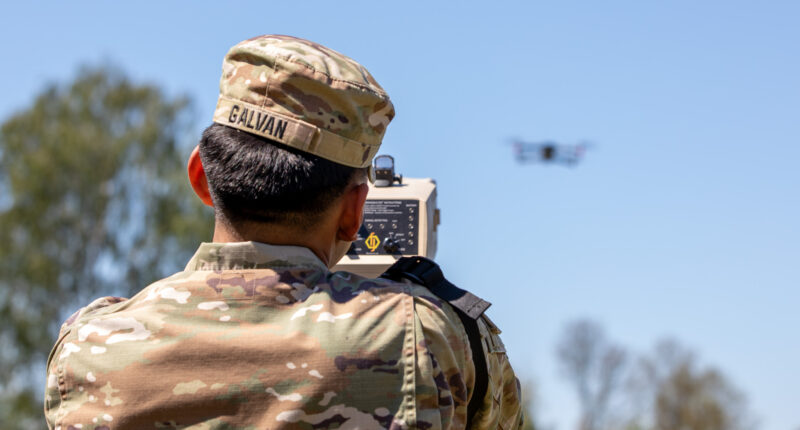
Washington DC-based think tank Center for a New American Security (CNAS) has warned that the US military’s counter-drone defenses remain “insufficient” as China rapidly scales up its diverse and autonomous uncrewed systems.
Its released report noted that despite the Pentagon’s massive defense spending, the speed and scale lag behind Beijing’s advances, creating a serious vulnerability in the event of conflict.
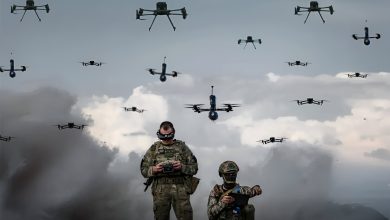
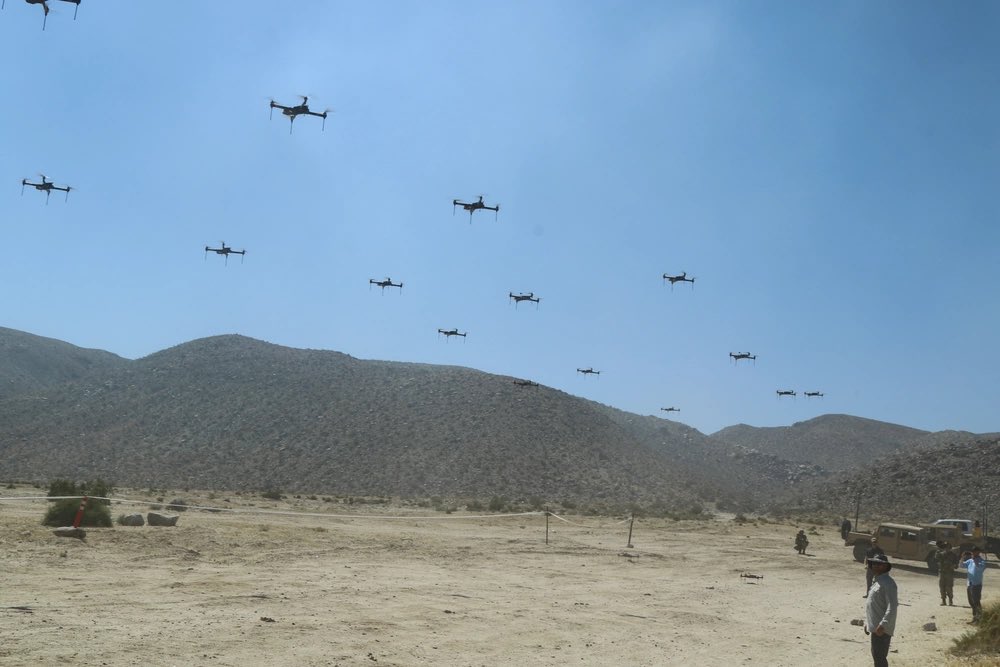
Most US capabilities are built to neutralize one target at a time, making them ineffective against drone swarms or mixed salvos of uncrewed aerial systems (UAS) and missiles.
Moreover, dedicated counter-drone systems, such as directed energy weapons and artificial intelligence (AI)-enabled detection, are not sufficiently deployed across military branches.
This is not the first time the US military’s drone capability gaps have been brought to light.
In early 2025, several Pentagon officials acknowledged the inadequate defenses against drone threats following several unauthorized drone intrusions on US military bases over recent years.
What the Pentagon Should Do
The report’s authors, Stacie Pettyjohn and Molly Campbell, urged the Pentagon to prioritize counter-drone defense, develop and share best practices, and extend capabilities across the force, instead of limiting it to dedicated air defense units.
They also called for more rigorous prototype testing. Current evaluations rely on “unrealistic facsimiles of enemy drones” and low-fidelity electromagnetic weapon trials, creating a “false sense of confidence” in their effectiveness.
Meanwhile, Pettyjohn highlighted three main recommendations to Breaking Defense.
First, platforms must be upgraded with modified ammunition against small UAS.
This year, the US Air Force integrated Advanced Precision Kill Weapon System II (APKWS II) into the F-15E Strike Eagle aircraft for counter-drone missions.
For swarms and high-volume attacks, deploying directed energy solutions, such as high-power microwave weapons, is a key capability.
Pettyjohn said jammers can down multiple drones but are limited as adversaries can change frequencies, stressing that high-powered microwaves — backed by kinetic defenses — offer the best final line of defense against swarms.
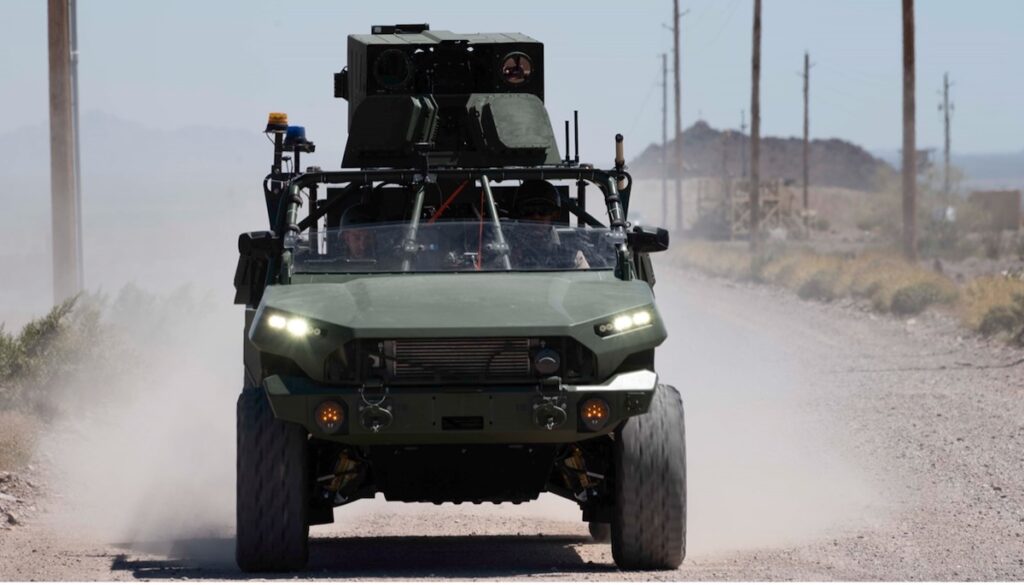
Earlier this month, the US Army received its first two 20-kilowatt “LOCUST” mobile counter-drone laser weapon prototypes.
Finally, the report pushed for using machine learning and AI for faster threat detection and engagement, a capability which US allies, like Ukraine, are already fielding against Russian forces.