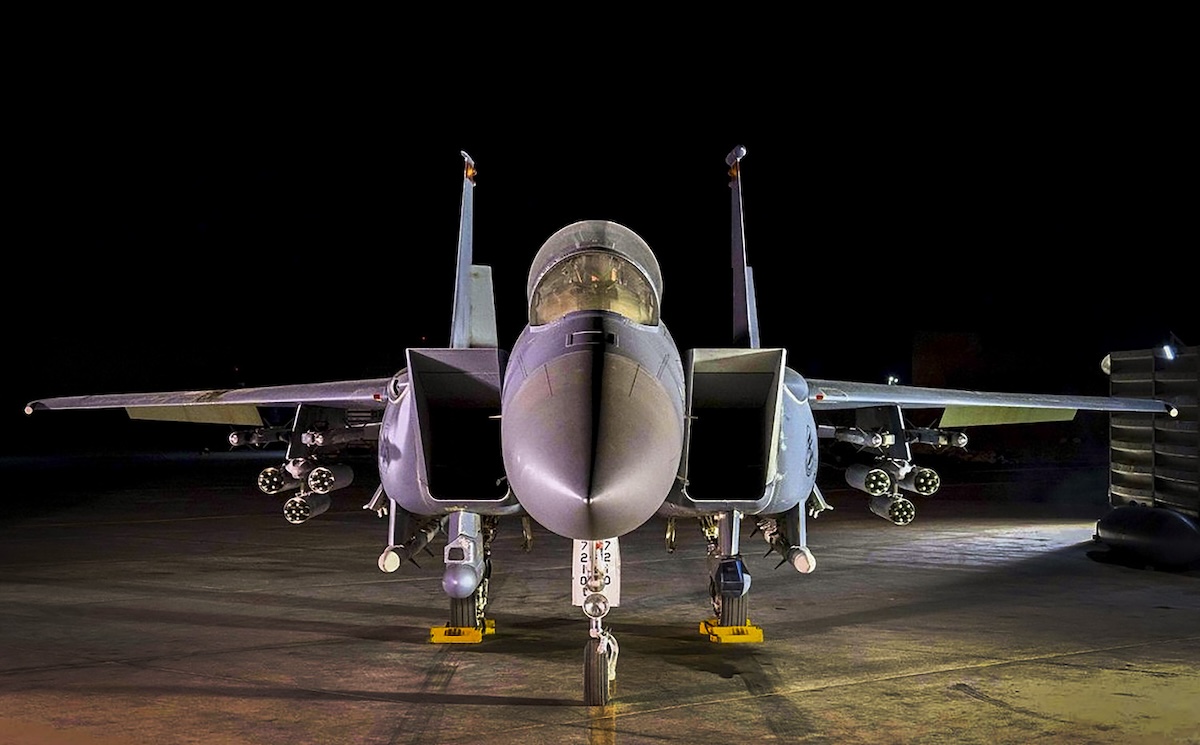
The US Air Force (USAF) has rapidly equipped its F-15E Strike Eagle aircraft with a low-cost and specialized guided rocket configured for counter-drone missions.
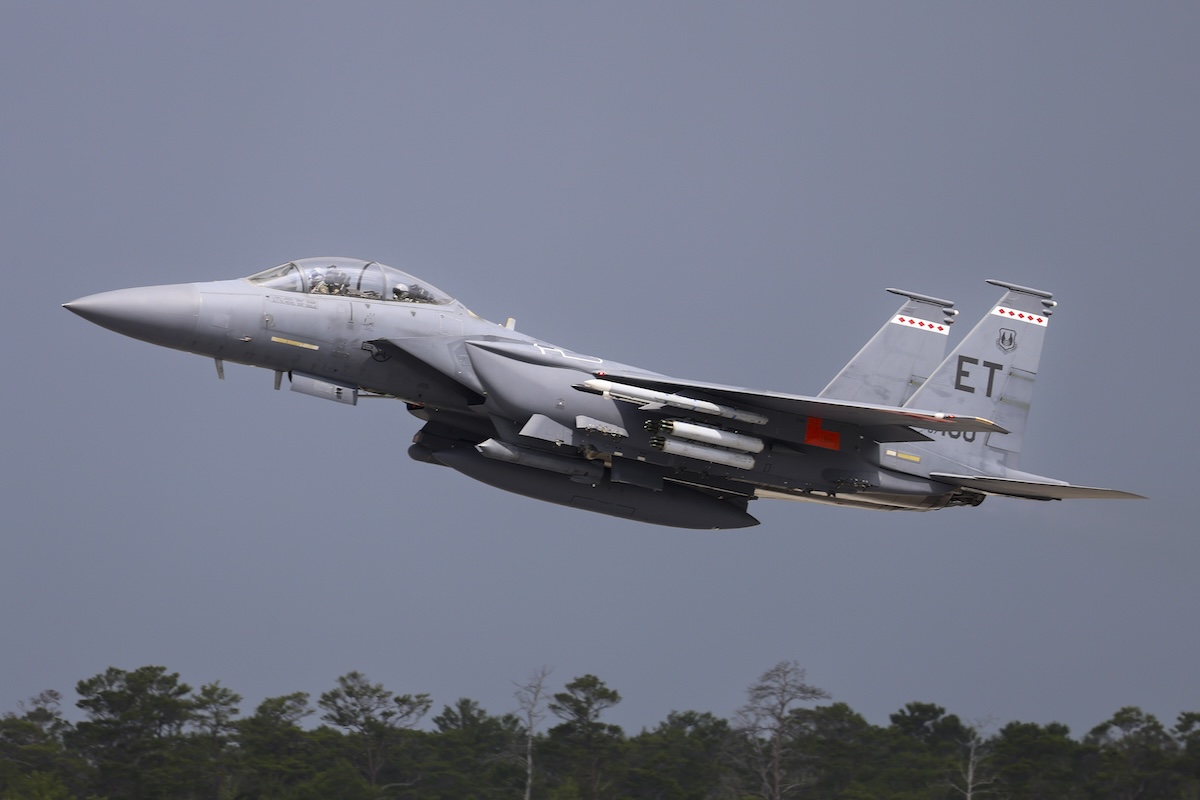
Integration of the AGR-20F Advanced Precision Kill Weapon System II (APKWS II) gives the multi-role fighter the ability to carry up to 42 precision rockets in addition to air-to-air missiles, transforming it into a more lethal capability alongside the F-16 Fighting Falcon.
The Air Force Seek Eagle Office and test units at Eglin Air Force Base were tasked with completing the integration in nine months, a process that normally takes around 18 months. Leveraging lessons from a similar F-16 effort in 2024, the team ultimately compressed the entire effort into just nine days.
“We made it a top priority to field this new capability as quickly and safely as possible. The Team Eglin testing complex put together a tremendous effort of discovery and out-of-the-box thinking to make this happen,” said Brig. Gen. Mark Massaro, 96th Test Wing commander.
The integrated developmental and operational flight testing of the AGR-20F on the Strike Eagle took place in May, while the first official photos and additional details were only released to the public this month.
Adapting Legacy Hardware
The Strike Eagle was chosen for its large payload capacity and versatility, as well as its experience engaging drones from its extensive deployment in the Middle East.
Meanwhile, the APKWS II uses the Mk66 Mod 4 rocket motor and is equipped with a 10-pound (4.5-kilogram) high-explosive warhead.
Each rocket has an estimated cost of $22,000 to $35,000, offering a far more cost-efficient option against typically cheap enemy drones, compared to AIM-9X or AIM-120 missiles worth millions of dollars.
During integration, engineers and maintainers had to overcome the lack of existing rocket mounts for the F-15E, repurposing 1970s-era Triple Ejector Rack-9As and LAU-131 launchers to carry the new weapons.
In addition, a new communication system was developed to connect the munitions to the aircraft.
Finally, the modified F-15E and its latest equipment simultaneously underwent testing and demonstration to meet urgent operational needs.
“Our ability to choreograph multiple high-risk test events culminating in providing a complete product to the warfighter in nine days instead of 18 months is the hallmark of what Team Eglin can do when asked,” said Lt. Col. Jeffrey Entine, Operational Flight Program Combined Test Force commander.