Trump’s Return Is Forcing South Korea to Rethink Its Security Strategy
Seoul faces uncertainty under a transactional US alliance, prompting moves toward self-reliance, diversified partnerships, and stronger deterrence.

Donald Trump’s return to the White House has reignited deep anxiety in Seoul about the long-term stability of the US-South Korea alliance.
Once called “ironclad,” the alliance now faces renewed stress under a second Trump administration, which is expected to prioritize burden-sharing, transactional diplomacy, and strategic returns over mutual trust.
For South Korea, which is facing an escalating North Korean threat and growing pressure in the Indo-Pacific, adapting to this new reality is no longer a choice. It’s a necessity.
A Transactional Turn
Trump has already reopened cost-sharing talks, demanding South Korea contribute more toward hosting US forces. Simultaneously, his team has signaled a possible reevaluation of America’s security guarantees, including its extended nuclear deterrence, long a cornerstone of the alliance.
The message is clear: US military protection now comes with conditions. This shift in tone and policy has once again raised the specter of conditional security guarantees; a scenario South Korea hoped it had left behind.
North Korea Raises the Stakes
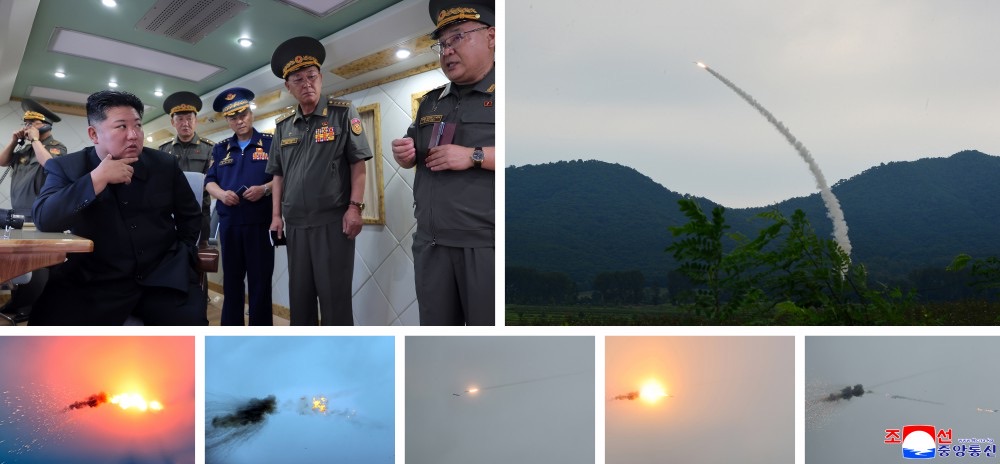
At the same time, North Korea is expanding its nuclear and missile programs at an alarming rate. Pyongyang is increasing its arsenal of tactical nuclear weapons, hypersonic missiles, and submarine-launched systems, all designed to complicate allied decision-making and exploit crisis response delays.
Its growing ties with Russia — including suspected arms and tech exchanges — add new layers of complexity to deterrence on the peninsula.
In this context, South Korea’s confidence in US nuclear guarantees is eroding. Although the Nuclear Consultative Group remains active, Trump’s reluctance to confirm nuclear guarantees without clear benefit to the US has fueled concern that Washington might hesitate in a limited nuclear strike scenario.
As a result, Seoul is doubling down on self-reliance, boosting missile defense, surveillance capabilities, and preemptive strike options under its three-axis strategy.
Strategic Divergence With Washington
Trump’s return also sharpens a growing strategic split between the US and South Korea. While Washington wants Seoul to play a larger role in its Indo-Pacific push to counter China, South Korea remains cautious. It doesn’t want to risk its economic ties with Beijing, especially under a US president whose binary worldview leaves little room for nuance.
This pressure to “choose sides” destabilizes South Korea’s domestic politics and limits its room for maneuver.
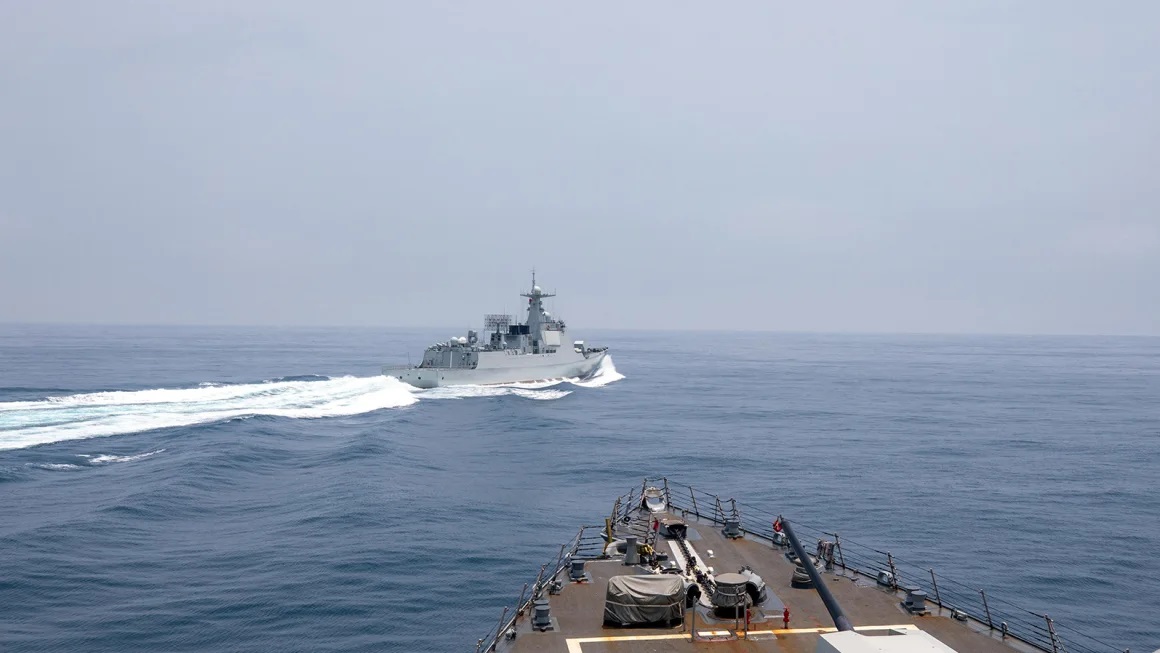
At the operational level, this divergence complicates joint planning and erodes alliance interoperability. Seoul is hesitant to join US-led maritime patrols in the Taiwan Strait or South China Sea, while Washington questions Seoul’s commitment to “shared strategic goals.”
These differences, left unresolved, may create gaps in allied posture and messaging during future regional crises.
Defense Industrial Competition, Not Cooperation?
In the defense industrial space, friction is also increasing. Trump is expected to push aggressively for reciprocal market access and “America First” procurement, even with allies.
South Korea’s booming arms exports to countries like Poland, the UAE, and Australia are viewed in Washington not just as success stories but as competitive threats. As a result, there’s growing talk in the US of limiting tech transfers and prioritizing American firms, which could derail ongoing and future cooperative projects.
Instead of co-developing systems, allies may be pushed toward protectionism. For South Korea, this risks undercutting its ambitions to become a global defense supplier and defense innovation hub.
Without mechanisms to manage these tensions, alliance trust could erode further.
Seoul’s Strategic Options Narrow
As alliance predictability weakens, Seoul’s strategic choices are narrowing. One path is to institutionalize defense cooperation — with real-time crisis protocols, deeper command integration, and forward-deployed strategic assets — to make abandonment politically costly.
Another is diversification: strengthening security ties with Australia, the UK, NATO, and key ASEAN partners.
A third, more radical option gaining traction in public debates is developing an independent nuclear deterrent. While this would face strong international resistance, including from Washington, it reflects the growing urgency in Seoul to secure strategic autonomy amid uncertainty about US intentions.
Preparing for Uncertainty
Trump’s second term hasn’t just revived questions about the US-ROK alliance; it’s exposed South Korea’s vulnerability in relying so heavily on a single external guarantor.
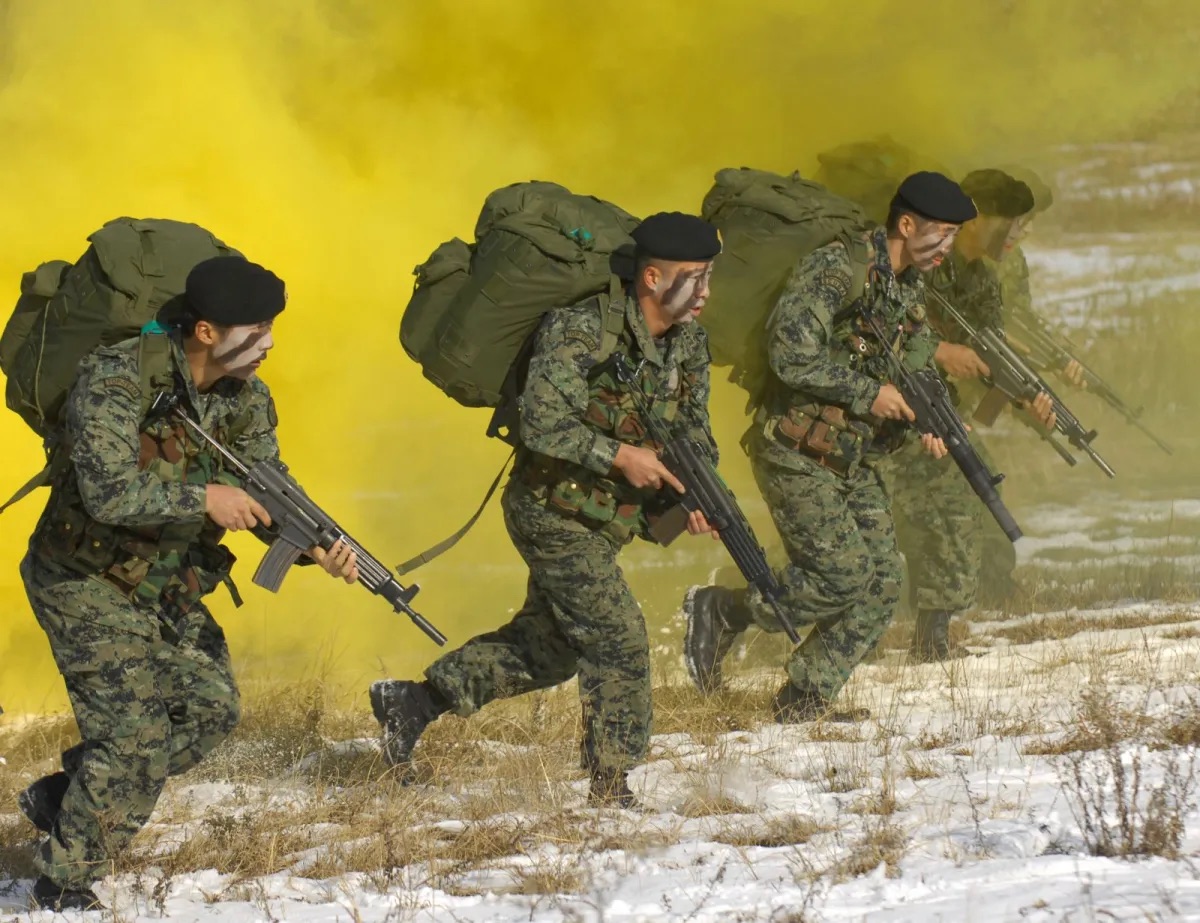
In a region where strategic competition is intensifying across nuclear, cyber, and space domains, Seoul needs to rethink its defense posture. That means building a more flexible and resilient strategy — one that supports the alliance but no longer assumes its permanence.
Strategic autonomy, industrial self-reliance, and diversified partnerships must become the pillars of South Korea’s national defense policy. In Trump’s world, loyalty must be negotiated. For Seoul, deterrence must be guaranteed — not just promised.
 Jihoon Yu is the director of external cooperation and associate research fellow at the Korea Institute for Defense Analyses.
Jihoon was a member of the Task Force for South Korea’s light aircraft carrier project and the Jangbogo-III submarine project.
He is the main author of the ROK Navy’s Navy Vision 2045.
His area of expertise includes the ROK-US alliance, the ROK-Europe security cooperation, inter-Korean relations, national security, maritime security, hybrid threats, and strategic weapons systems.
He earned his MA in National Security Affairs from the US Naval Postgraduate School and Ph.D. in Political Science from Syracuse University.
The views and opinions expressed here are those of the author and do not necessarily reflect the editorial position of The Defense Post.
The Defense Post aims to publish a wide range of high-quality opinion and analysis from a diverse array of people – do you want to send us yours? Click here to submit an op-ed.