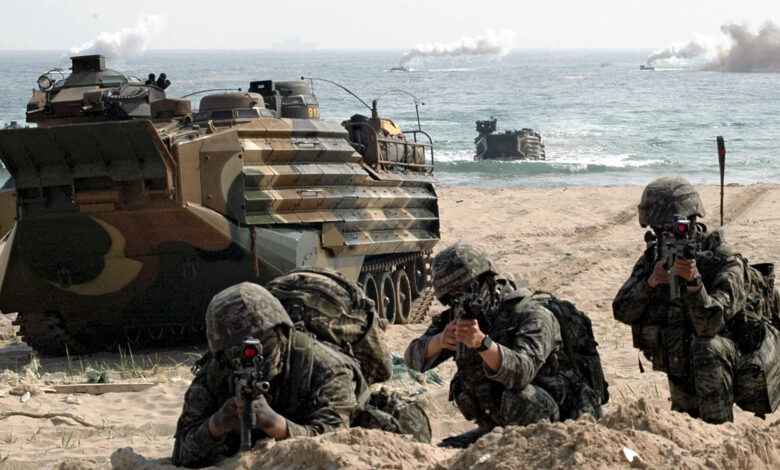
As tensions rise across the Taiwan Strait, a key question looms: how might US allies shape the outcome of a potential conflict with China?
A 2023 report by the Center for Strategic and International Studies (CSIS), The First Battle of the Next War, modeled 24 scenarios for a 2026 Chinese invasion of Taiwan.
Among them, the “Pessimistic Scenario” was particularly sobering. It assumed a sluggish American response, a passive Japanese stance, and fractured Taiwanese resistance.
Taiwan survives, but the US pays a staggering price: hundreds of aircraft lost, multiple ships sunk, and thousands of casualties.
In all these simulations, one major ally was notably sidelined: South Korea.
The Pessimistic Path
In CSIS’s worst-case scenario, China launches an amphibious assault while US and Japanese responses lag. Chinese missile strikes knock out key airbases — likely including major hubs such as Kadena in Okinawa — and reinforcements from the US mainland arrive too late to change the tide.
The result: hundreds of destroyed US aircraft, significant naval losses, and a bloody, drawn-out fight to regain the upper hand.
Though the report doesn’t cite exact casualty figures, the intensity and duration of the conflict suggest that they could reach into the thousands.
South Korea’s Absence and Potential
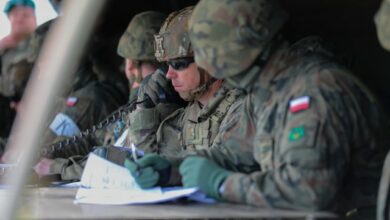
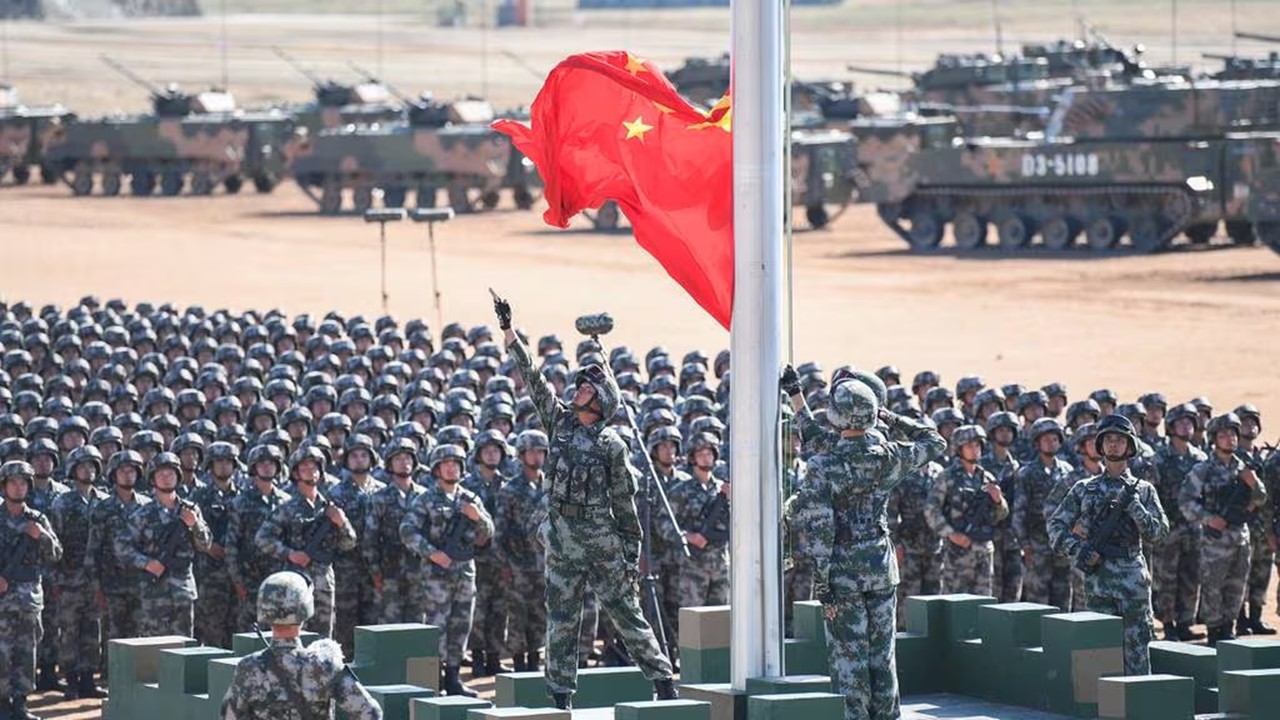
The report briefly mentions South Korea, noting that only two of the four US Army brigades stationed there might be released, with the others left to deter North Korea. Beyond that, Seoul plays no active role in the outcome.
That’s a missed opportunity. South Korea is unlikely to take a lead role in any Taiwan conflict, nor should it. But it has room to contribute in meaningful ways that don’t cross constitutional red lines or destabilize the Korean Peninsula.
Seoul could quietly serve as a “non-belligerent enabler” by allowing full redeployment of US Forces Korea (USFK) and sending a small Republic of Korea Navy (ROKN) task force to help secure nearby sea lanes.
Unlocking USFK’s Full Potential
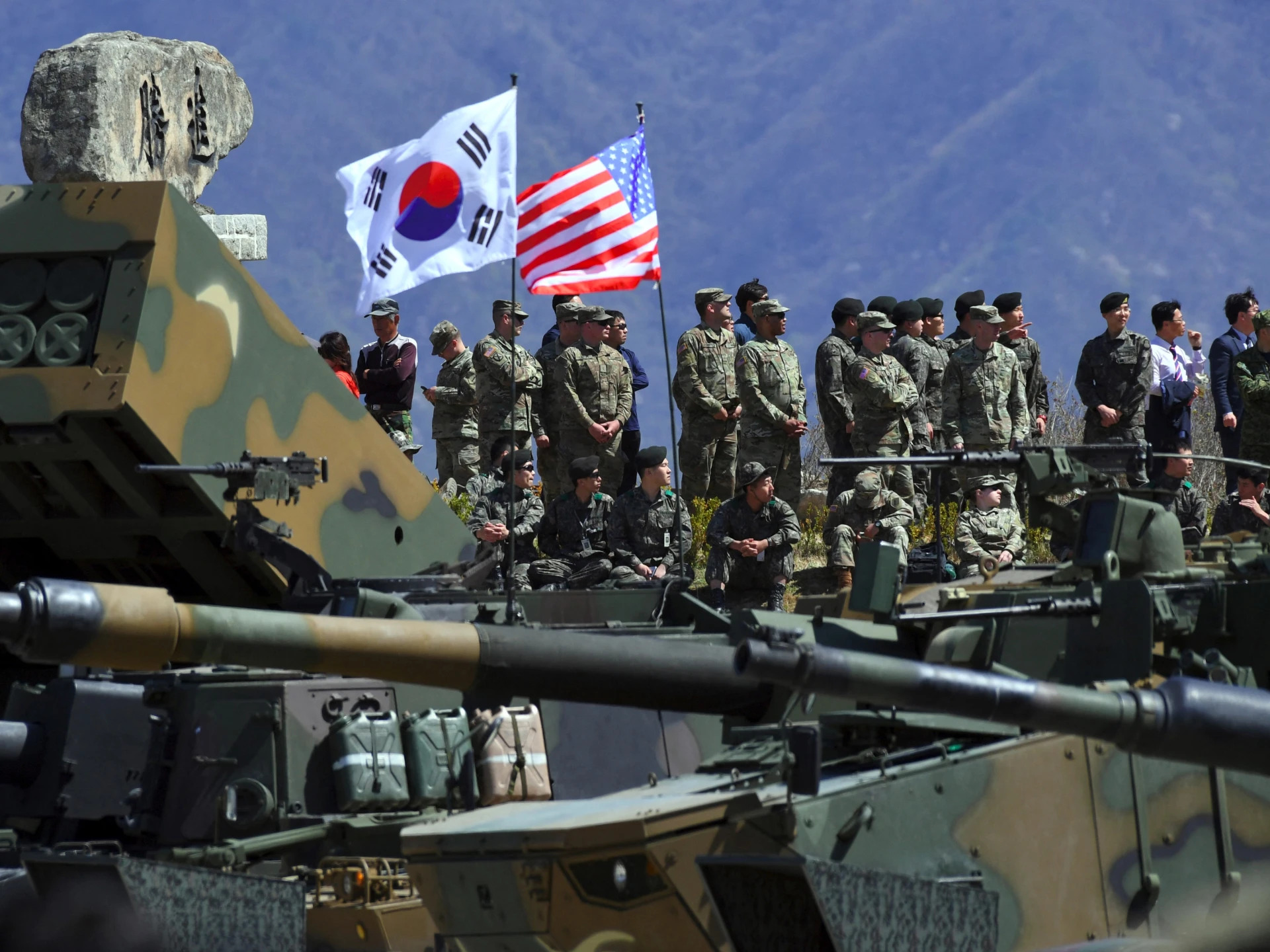
Instead of releasing just two brigades, South Korea could allow the redeployment of all four US Army brigades — along with associated airpower, command-and-control elements, and forward-deployed logistics units.
These forces, already in theater and combat-ready, could begin operations within 48 to 72 hours, compared to 5 to 7 days for reinforcements from the US mainland.
That time matters. It could allow the US to strike Chinese amphibious units earlier, disrupt follow-on landings, and hold key ports and airfields before they fall. In amphibious warfare, speed is survival.
Critics might argue that moving USFK weakens Korea’s own defenses. But South Korea now fields over 500,000 active-duty troops, advanced missile defenses, and modern mechanized forces. It is increasingly capable of deterring or responding to limited North Korean aggression independently, at least in the short term.
Rather than undermining peninsular defense, this posture affirms the ROK-US alliance’s strategic confidence, adaptability, and burden-sharing maturity.
Securing Sea Lanes Without Firing a Shot
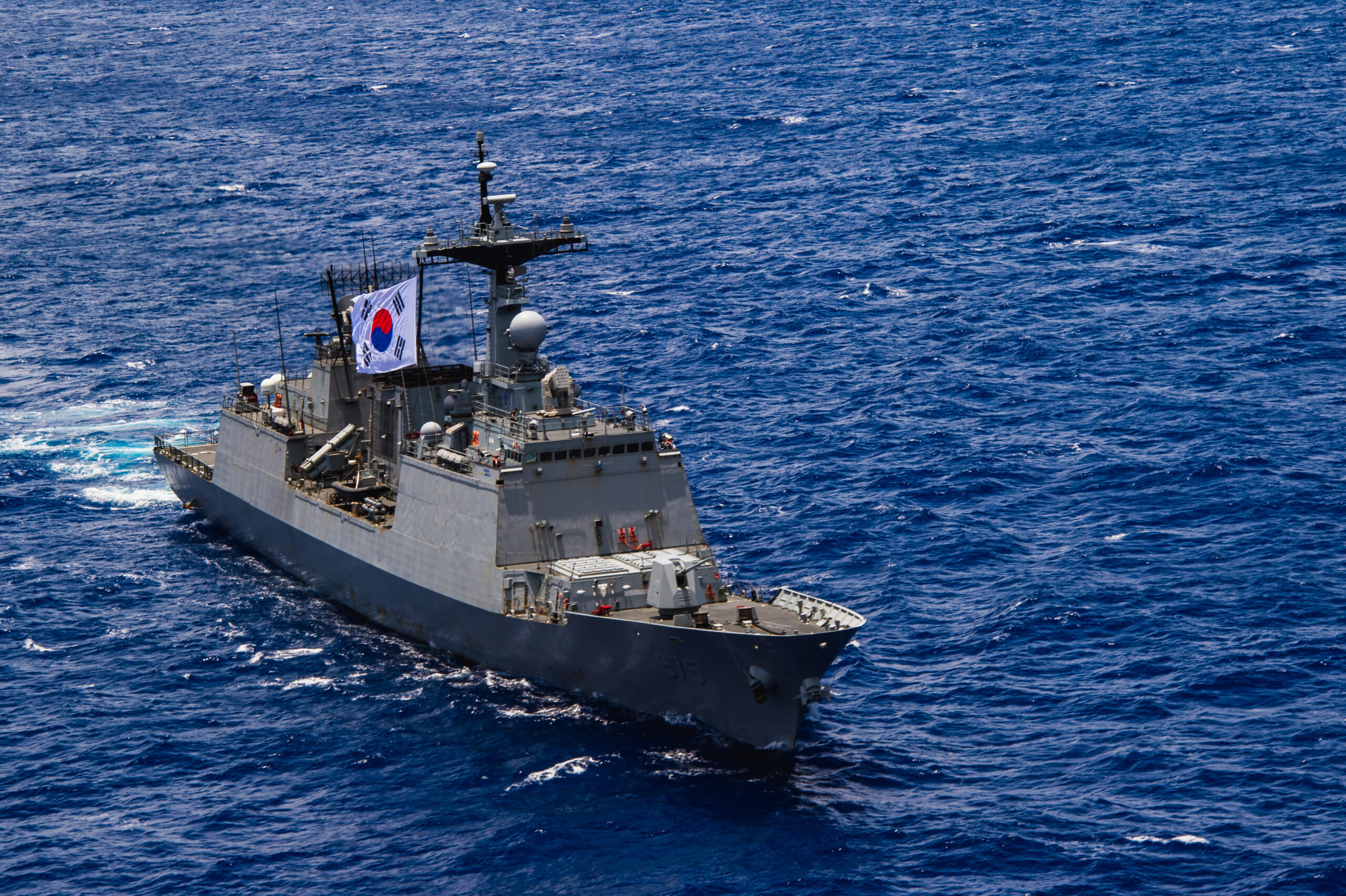
South Korea could also send a small naval task group — just three to five vessels — to help patrol key sea lanes in the Philippine Sea or adjacent waters such as the Luzon Strait.
In CSIS’s pessimistic scenario, limited Japanese naval involvement leaves US convoys exposed. A ROKN presence could bolster anti-submarine operations, missile defense, and surveillance — not by engaging Chinese forces, but by ensuring freedom of navigation and protecting allied supply routes.
This would not be an offensive action, nor would it constitute direct engagement with PLA naval forces. Instead, it would serve as a stabilizing force presence to ensure freedom of navigation and protect logistics throughput essential to any US-led defense of Taiwan.
Big Gains From Modest Moves
What might these changes achieve? Adjusted modeling suggests that full USFK redeployment and limited ROKN naval support could reduce US casualties by 20 to 30 percent, primarily due to faster US deployment timelines.
Aircraft losses — estimated at nearly 500 in the pessimistic case — could drop by over 100. US ship losses might also decline thanks to better logistics protection.
Most importantly, it could compress the time needed to achieve critical mass in the theater from 5 to 7 days to just 2 to 4. This early edge could enable timely strikes on Chinese amphibious forces, disrupt PLA buildup phases, and blunt the momentum of a rapid invasion.
Japanese civilian shipping losses — considered moderate in the CSIS baseline — would also likely drop through reinforced sea line security and more resilient logistical operations.
Strategic Impact Without Escalation
While these measures alone would not guarantee success, they would meaningfully lessen US and Japanese losses, compress reinforcement timelines, and help preserve allied force structure for follow-on contingencies — transforming a pyrrhic victory into a more sustainable one.
Importantly, none of these steps require South Korea to strike Chinese forces, violate the One China policy, or formally support Taiwan’s independence. They’re non-belligerent actions — consistent with existing alliance commitments and focused on regional stability.
Nonetheless, policymakers should expect Beijing to criticize these measures. Still, South Korea’s actions would remain within established norms of allied support and fall well short of overt intervention.
To Washington, they’d show that South Korea is a mature and dependable ally. To Pyongyang, they’d signal that the ROK-US alliance remains strong, even during a crisis elsewhere. And to the broader region, they’d show that middle powers can make a real difference without going all-in.
Rethinking the Rules of Engagement
In most Taiwan war games, South Korea sits on the sidelines, boxed in by its proximity to North Korea. But it doesn’t have to be that way.
Even modest, non-combat support can shift the balance in a high-stakes conflict. As the Indo-Pacific grows more contested, allies should move beyond all-or-nothing thinking.
Victory may not come from who fires the most missiles — but from who shows up early, smartly, and decisively. South Korea doesn’t need to lead the charge. But it can help ensure that others have the time and space to do so.
Dr. Ju Hyung Kim  currently serves as the President at the Security Management Institute, a defense think tank affiliated with the South Korean National Assembly.
He has been involved in numerous defense projects and has provided consultation to several key organizations, including the Republic of Korea Joint Chiefs of Staff, the Defense Acquisition Program Administration, the Ministry of National Defense, the Korea Institute for Defense Analysis, the Agency for Defense Development, and the Korea Research Institute for Defense Technology Planning and Advancement.
He holds a doctoral degree in international relations from the National Graduate Institute for Policy Studies in Japan, a master’s degree in conflict management from the Johns Hopkins University School of Advanced International Studies, and a degree in public policy from Seoul National University’s Graduate School of Public Administration.
Dr. Kim has published extensively across leading international security and defense platforms, including The Diplomat, War on the Rocks, the Modern War Institute, 38 North, Asia Times, Small Wars Journal, RealClearDefense, Modern Diplomacy, the Lowy Institute, Global Security Review, the Geopolitics, and Global Defense Insight, among others.
The views and opinions expressed here are those of the author and do not necessarily reflect the editorial position of The Defense Post.
The Defense Post aims to publish a wide range of high-quality opinion and analysis from a diverse array of people – do you want to send us yours? Click here to submit an op-ed.