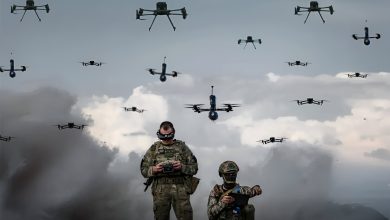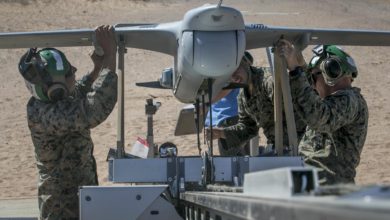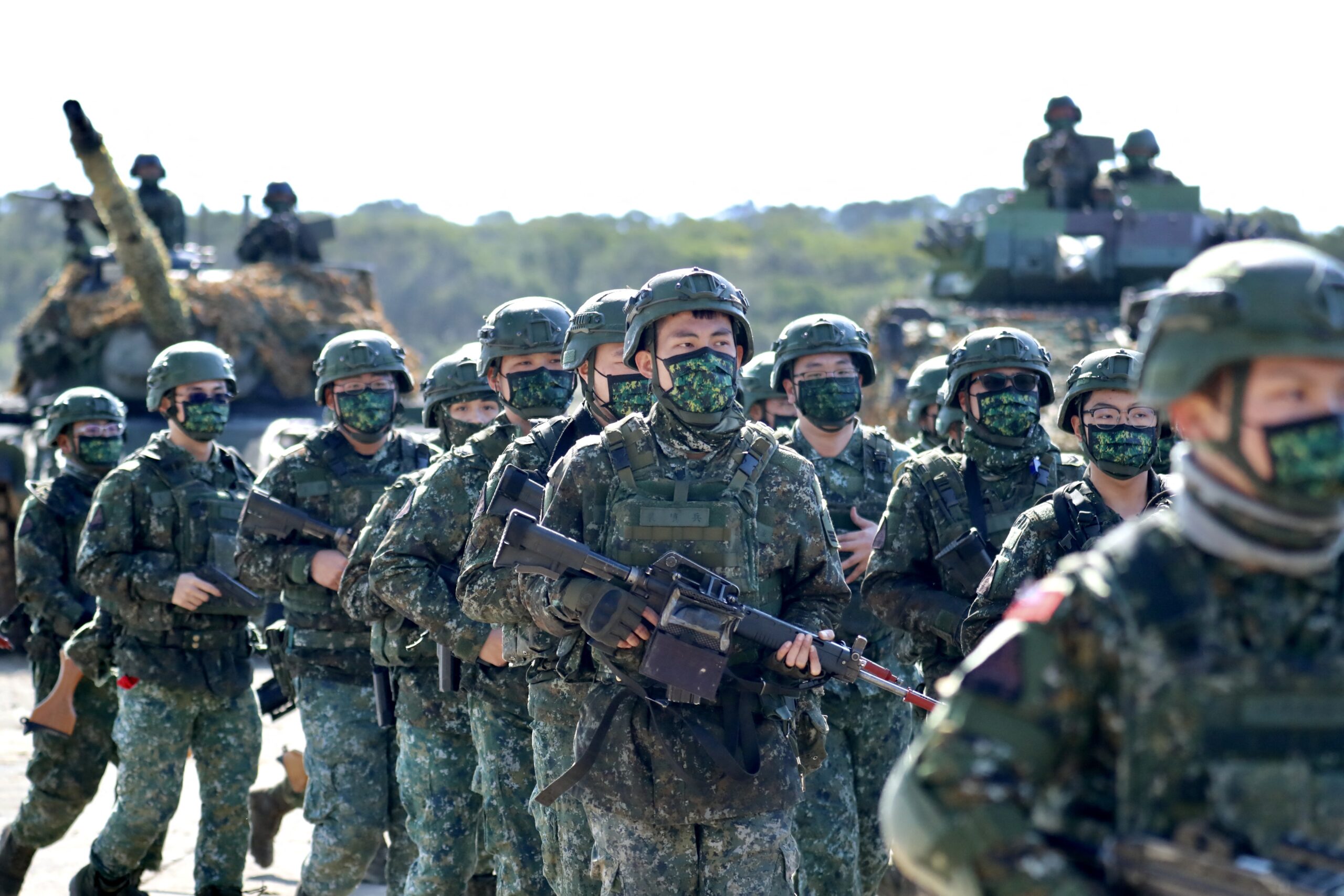
Taiwan’s Ministry of National Defense is preparing to submit a new special budget of 600 to 900 billion New Taiwan dollars ($20 to 30 billion) to boost missile and drone capabilities, according to Taiwan News.
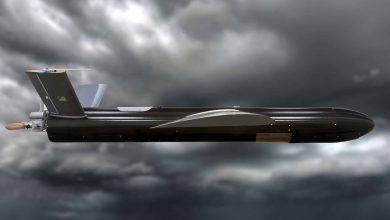
Funding would support the acquisition of various systems, including missiles, attack drones, uncrewed vessels, and upgraded command platforms, with purchases expected from both local and US suppliers.
The proposal is due by the end of the month and would represent the military’s fourth special budget planned for 2026.
As noted by the local newspaper, defense spending remains a debated issue in Taipei’s politics, with opposition parties often pushing for changes or delays of certain military budget plans.
Earlier this year, Taiwan aimed to boost its defense budget to $20 billion, about 2.5 percent of GDP, but some programs faced cutbacks, including a 50 percent reduction in funding for submarine development and a drone industry park.
Boosting Drone Capabilities
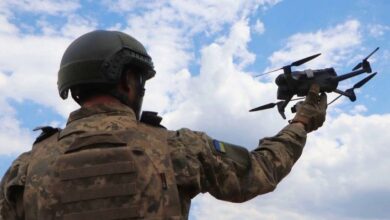
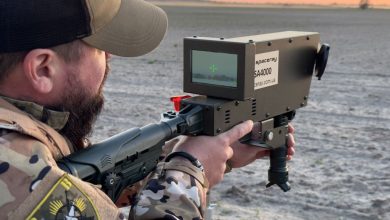
As tensions with China escalate and Beijing threatens to annex the self-ruled island by force if necessary, Taipei is accelerating investment in unmanned systems to strengthen its defenses, sourcing equipment from both domestic manufacturers and US defense firms.
Earlier this month, Taiwan signed a deal with the American company Anduril for unmanned aerial systems and a command-and-control platform.
In July, Taiwan’s Ministry of National Defense announced plans to procure 48,750 domestically built drones by 2027.
The program includes five drone categories, including multi-rotor, fixed-wing, and hybrid models, all to be manufactured in Taiwan with strict bans on Chinese-origin parts and suppliers connected to Beijing.
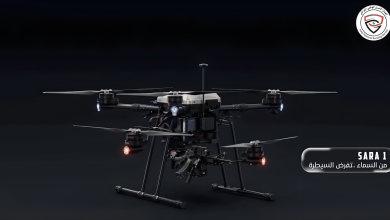
In addition, Taiwan introduced the “Overkill” drone, a first-person view strike system built for precision attacks, potentially capable of targeting Chinese warships.
It features Auterion’s advanced strike and camera systems, also used by Ukraine, designed to evade air defenses with low-profile flight paths.