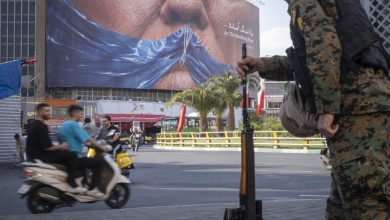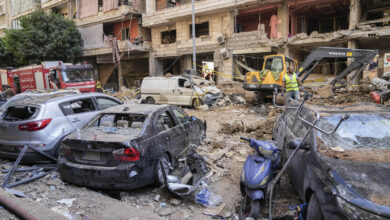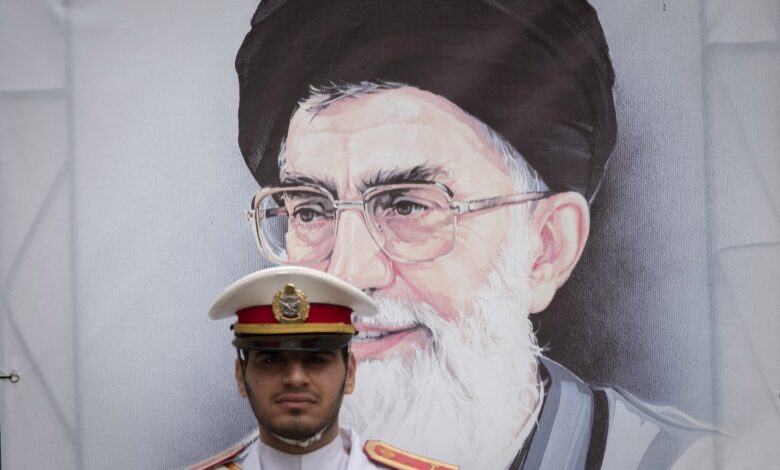
For several days since the start of Israel’s unprecedented attacks on hundreds of military targets across Iran, Israeli Prime Minister Benjamin Netanyahu suggested that Iran’s government could be overthrown by an internal revolution, similar to the fall of Bashar al-Assad’s regime in Syria.
He has even hinted that Israel is open to targeting Iran’s supreme leader, the Ayatollah Ali Khamenei, after already killing several Iranian military and other government officials in recent strikes and past covert operations.
Israel also suspects that Assad’s fall in 2024 to a Sunni-led militant group, previously in control of much of Syria’s Idlib province, pushed Iran to accelerate its nuclear weapons ambitions.
But it would be deeply unwise to expect a similar revolution in Iran, despite the regime’s weakened condition and its widespread unpopularity.
Discontent Does Not Equal Regime Collapse
The regime is widely hated after meeting widespread protests for women’s civil rights with brutal repression from mid-2022 on.
Demographically, the country is at an inflection point: over 60 percent of the population is under 30, and many of them rarely attend Friday prayers or express loyalty to the hardline version of Shi’a Islam imposed by the state.
Roughly three-quarters of Iranians reportedly support a secular government, a figure on par with the United States.
And unlike many Russians, Iranians are more aware of the dangers of authoritarianism, having endured it for decades. But this awareness doesn’t mean they have any viable path to spark a pro-democracy revolution.
The Regime Is Armed and Indoctrinated
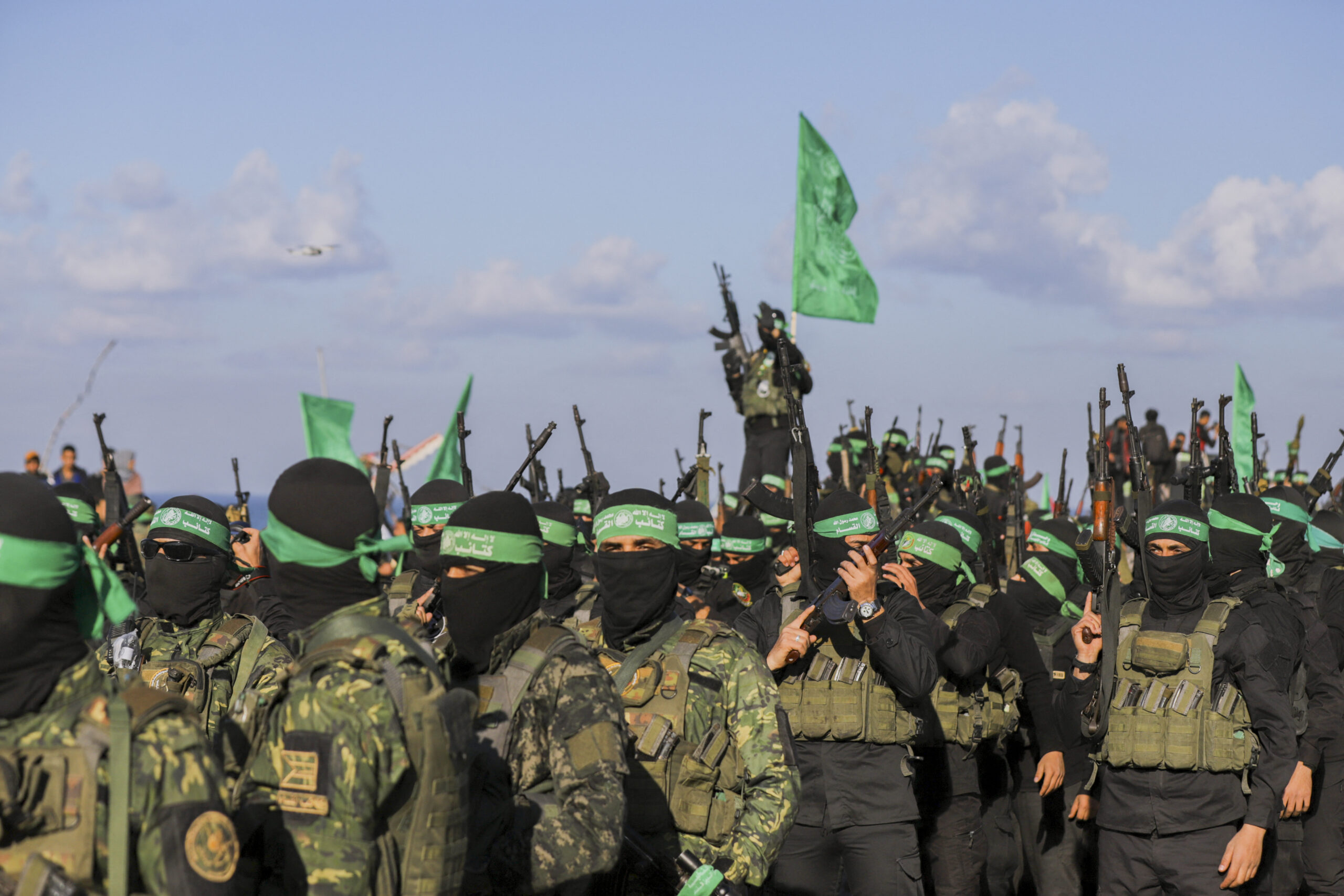
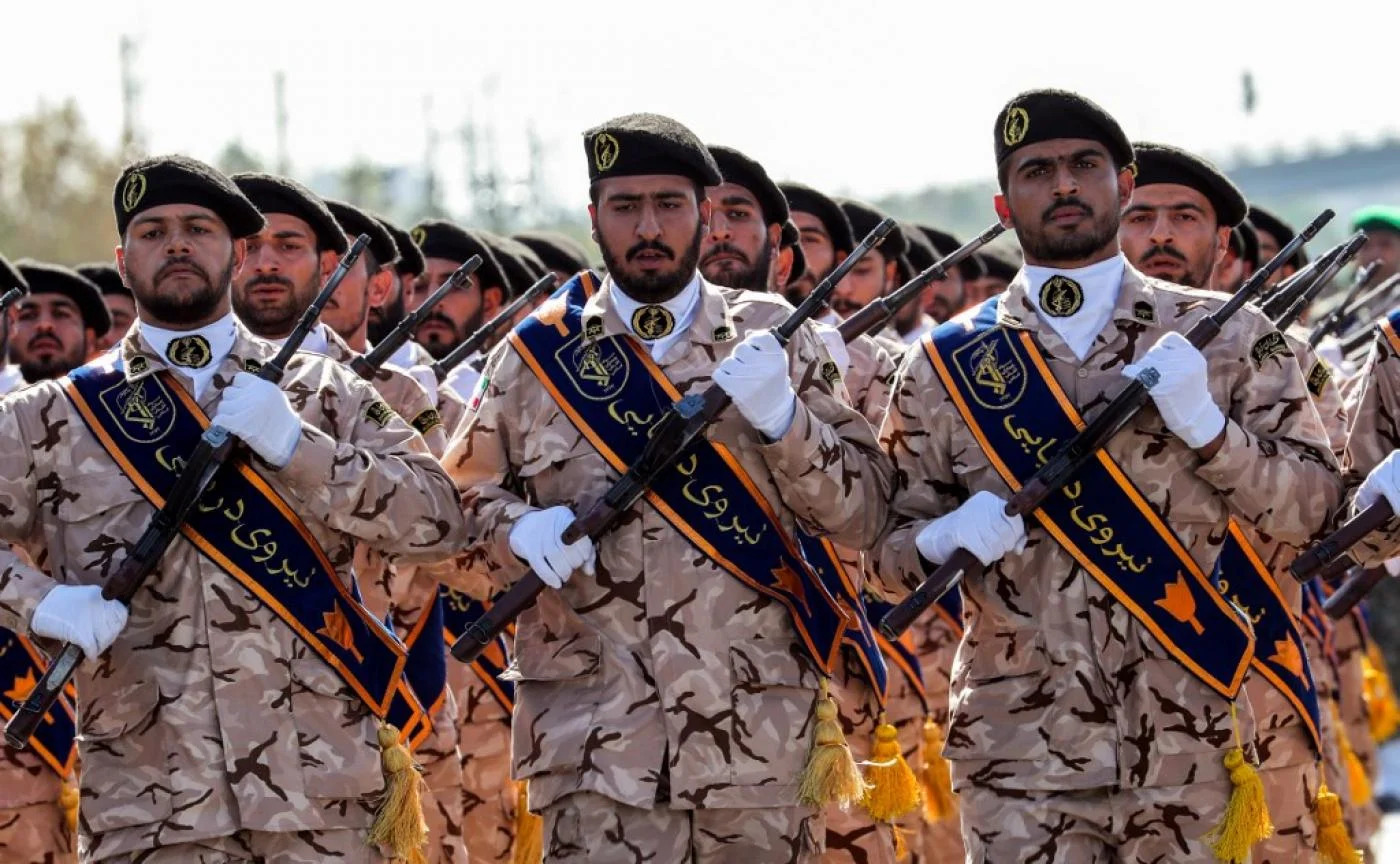
Iran’s regime is shielded by the powerful Islamic Revolutionary Guard Corps, a 150,000-strong, well-trained, and decently paid militia. The IRGC can also mobilize over 100,000 reservists within days, if needed.
These forces are deeply indoctrinated into theocratic ideology from a young age and remain loyal to the clerical elite.
This is in sharp contrast to Assad’s regime, which lacked religious legitimacy and relied on a fragile, underpaid army of disillusioned conscripts, propped up by Hezbollah’s leadership, much of which was wiped out by Israeli strikes in 2024.
No Viable Rebel Alternative
In Syria, the 30,000-strong opposition militia Hayat Tahrir al-Sham (HTS) had already seized most of Idlib province. It served as a rallying force for other rebels and received material support from Turkey in the months before its rapid offensive on Damascus.
There is no equivalent group in Iran. No significant rebel militia exists that could unite the opposition or challenge the Revolutionary Guard, let alone topple the regime.
The Illusion of Decapitation
Yet Netanyahu appears to be pursuing a decapitation strategy in Iran, where it’s almost guaranteed to fail.
On Thursday, Israeli hackers took over Iran’s state television for 10 minutes to broadcast a propaganda video calling for revolution. But if thousands of Iranians were to heed that call, the outcome could resemble what happened in Iraq in 1991: tens of thousands of Shi’a and Kurdish rebels, encouraged by President George H.W. Bush to rise up, were massacred by Saddam Hussein’s forces as the US stood by.
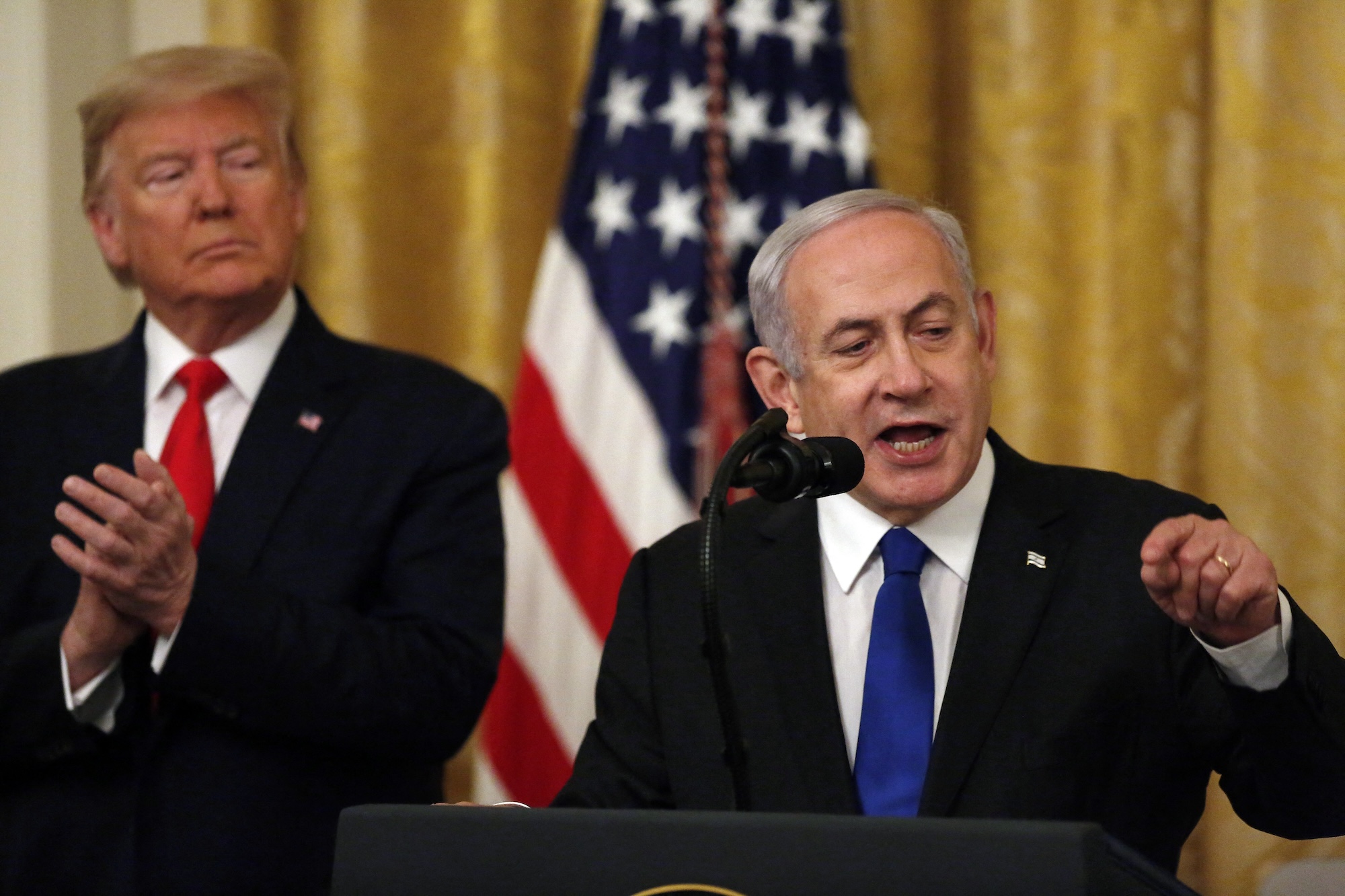
Netanyahu’s repeated suggestions that the Ayatollah’s regime may fall could also be designed to mislead American decision-makers, giving Trump’s uninformed inner circle another reason to consider bombing Iran’s underground Fordow nuclear facility.
Just this Wednesday, former House Speaker Newt Gingrich told Sean Hannity on Fox News that bombing Fordow could not only halt Iran’s nuclear program but also bring down the regime. President Trump is known to frequently watch Hannity’s show.
Even if Netanyahu knows this isn’t true, he may hope to drag the US into the war to avoid committing Israeli forces to a high-risk ground operation — or worse, using a tactical nuclear strike to destroy Fordow.
Deceiving an American president is hardly unthinkable for a leader who has overseen airstrikes that killed more than 40,000 Palestinian civilians to spare Israeli ground troops from more intense close combat among buildings left standing.
Trump appears to be leaning toward a strike on Fordow, despite the near certainty of Iranian retaliation against US targets in the region. He has given himself two weeks to decide, possibly as a bluff to pressure Iran into talks.
Killing Khamenei Would Backfire
So far, Trump seems to be restraining Netanyahu from targeting Khamenei directly. But if Iran’s supreme leader were assassinated by an Israeli or US strike, the response would be enormous and furious.
Sympathetic terror attacks could take place inside the United States. Peaceful Iranian diaspora communities might face backlash and hate crimes. And far from collapsing, the regime’s hardline base would likely rally with renewed fury behind a new Ayatollah.
Political scientist Robert Pape has also warned that even if Fordow is bombed, Iran may still retain enough enriched uranium to rapidly build a nuclear weapon.
Killing Khamenei or trying to incite regime change could push Iran’s remaining leadership to consider using that weapon.
Smarter Alternative
A better strategy to avoid this nightmare scenario would be for the US to offer to buy Iran’s enriched uranium stockpile, while providing limited quantities of enriched fuel for its civilian energy needs.
Sanctions could be lifted gradually as Iran turns over its uranium, which the US could use for domestic nuclear power or to support its next-generation nuclear weapons program.
A diplomatic path is still possible but it requires realistic expectations, not fantasies of regime change.
 John Davenport is Professor of Philosophy and Peace & Justice Studies at Fordham University.
The views and opinions expressed here are those of the author and do not necessarily reflect the editorial position of The Defense Post.
The Defense Post aims to publish a wide range of high-quality opinion and analysis from a diverse array of people – do you want to send us yours? Click here to submit an op-ed.