

A war breaks out in one region, but the most important decisions are made far from the battlefield. Weapons arrive through intermediaries, intelligence is shared quietly through allies, and foreign advisers shape strategy without ever appearing on the front lines.
In a proxy war, local forces do the fighting, while larger powers steer the conflict from a distance.
It allows major states to compete, contain rivals, and project influence without triggering direct, large-scale war between themselves.
Explore the full guide to understand how proxy wars function, why they emerge, and how they reshape modern conflict.
Key Features of Proxy Wars
Proxy wars stand apart from conventional conflicts in how they’re fought and who is really pulling the strings.
- Indirect conflict: Major powers avoid direct military confrontation.
- Third-party actors: Local forces or allied states carry out the fighting.
- External support: Weapons, funding, training, and intelligence flow in from abroad.
- Strategic competition: Conflicts are often tied to broader geopolitical rivalries.
Example: During the Cold War, the US and the Soviet Union supported opposing sides in conflicts such as Vietnam and Afghanistan, competing for influence without direct war between them.
How Proxy Wars Work
Proxy wars don’t follow a strict formula, but they tend to unfold in recognizable stages:
- Alignment: External powers choose sides based on strategic interests.
- Support: Aid is delivered through weapons, funding, training, or intelligence.
- Conflict: Fighting occurs between proxies on the ground.
- Influence: External powers shape outcomes without direct engagement.
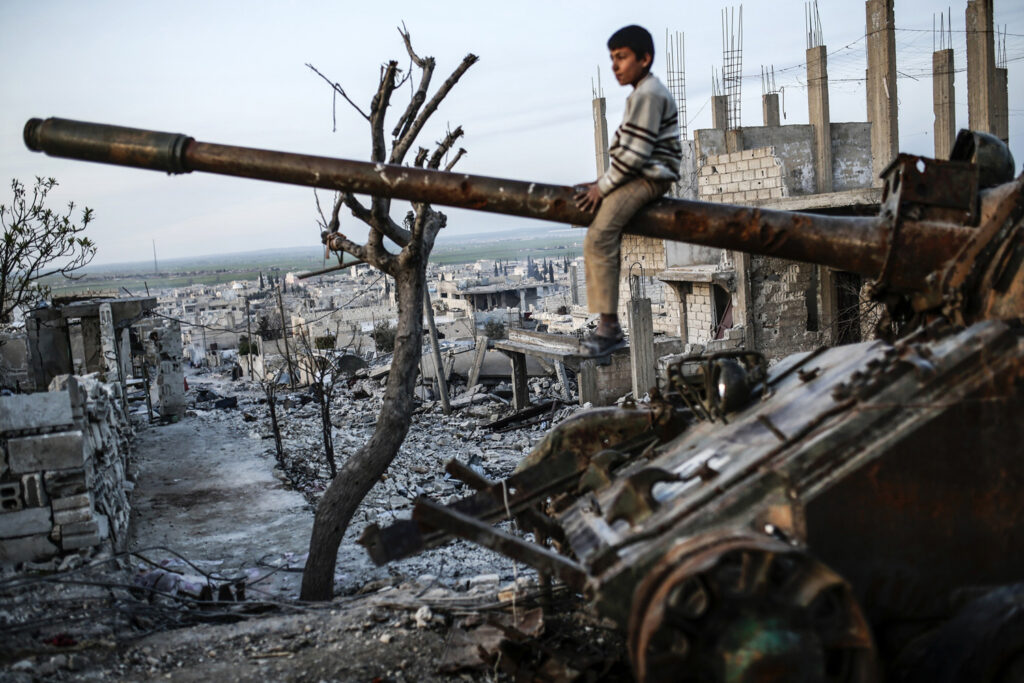
Example: In the Syrian conflict, multiple countries supported different factions, turning a civil war into a complex proxy battlefield involving regional and global powers.
Why Countries Use Proxy Wars
States turn to proxy warfare when a direct fight would cost too much or risk spiraling into something far bigger.
Instead of deploying their own troops, states support local forces to shape the battlefield from a distance.
This approach keeps their footprint light while their influence remains real. Weapons, funding, and intelligence flow in, quietly tilting the balance without the visibility of open war.
At the core is plausible deniability. States can pursue strategic goals without fully owning the consequences, maintaining enough distance to manage political and diplomatic fallout.
Risks and Challenges
Proxy wars may reduce the risk of direct confrontation, but they introduce their own dangers:
- Escalation: Proxy conflicts can spiral into broader wars.
- Loss of control: Supported groups may act independently.
- Prolonged conflict: External support can extend wars indefinitely.
- Civilian impact: Often leads to instability and humanitarian crises.
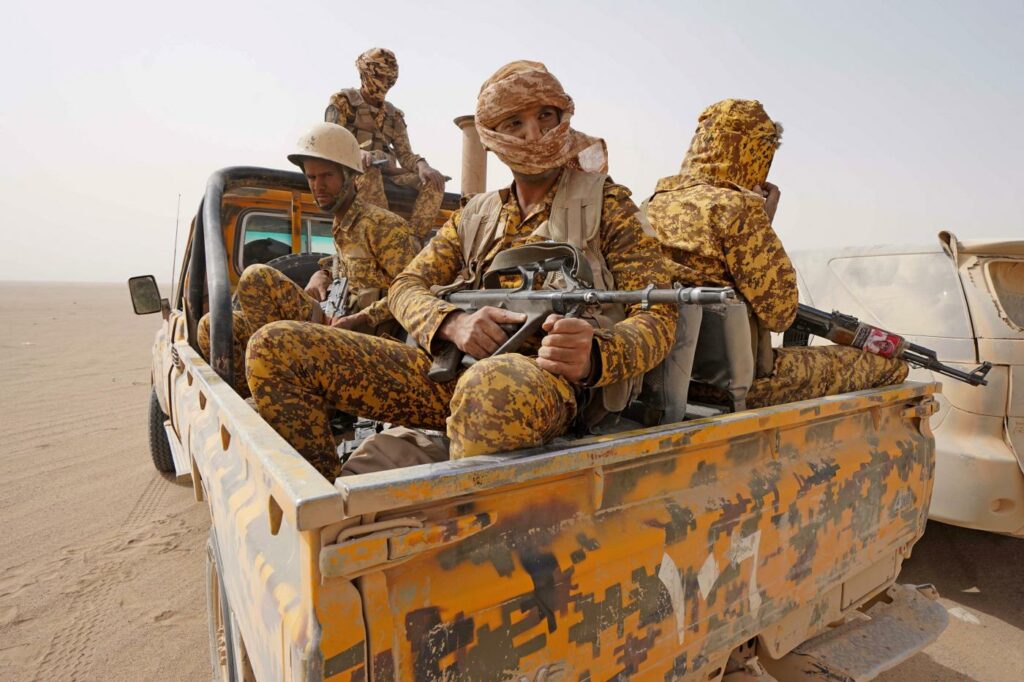
Example: In Yemen, external backing of rival groups has contributed to a prolonged conflict with severe humanitarian consequences.
Ethical and Legal Considerations
Proxy wars sit in a gray area of international law, where responsibility is often difficult to pin down.
- Support for armed groups can blur lines between indirect and direct involvement.
- Accountability for civilian harm becomes difficult to assign.
- Arms transfers and intervention may conflict with international norms.
Example: In the Syrian conflict, various states provided weapons and training to different rebel groups, raising questions about responsibility when those groups were linked to civilian harm or rights violations.
Advanced Insights
Modern proxy wars rarely stay confined to the battlefield.
They increasingly extend into cyber operations, information campaigns, and economic pressure, blurring the line between war and broader strategic competition.
They are also inherently unstable. Multiple sponsors back different groups, alliances shift, and local actors don’t always follow external agendas. What begins as a controlled strategy can quickly become messy and hard to manage.
Support itself becomes a signal. Increasing aid can apply pressure; scaling it back can suggest restraint. In this way, proxy wars double as a tool for messaging and influence — without crossing into direct conflict.
Power Beyond the Battlefield
Proxy wars allow powerful nations to compete indirectly, shaping conflicts while avoiding direct confrontation.
But that distance comes at a cost. These conflicts often last longer, become harder to control, and make accountability more difficult, leaving civilians to bear the consequences.
In modern geopolitics, the most decisive moves are not always made on the front lines, but far beyond them.
