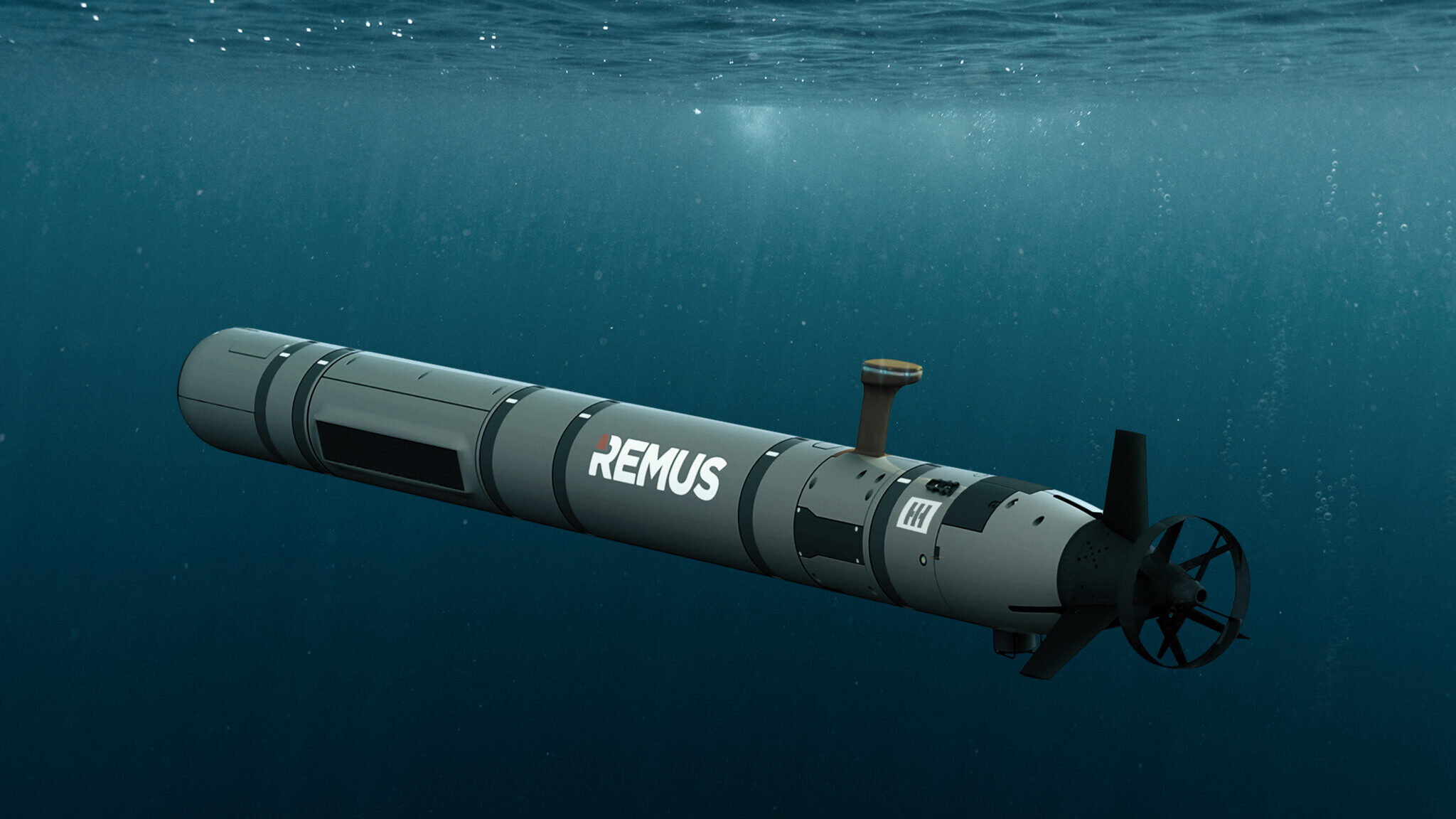
HII’s REMUS Underwater Drone Program Reaches 25-Year Mark

HII has announced the 25th anniversary of its Remote Environmental Monitoring Unit System (REMUS) unmanned underwater vehicle (UUV) family, highlighting its global adoption and expanded mission capabilities.
The subsea drone began as a scientific research tool, with development led by the Massachusetts-based Woods Hole Oceanographic Institution and funding from the US Naval Research Office.
HII has since scaled the platform into a widely used autonomous system for military, research, and commercial missions, including the US Navy’s Lionfish small UUV program, now in full-rate production, and a partnership with Babcock to enable its submarine launch through torpedo tubes.
Among the vehicle’s recent advances are its launch and recovery from a US Navy Virginia-class submarine, increasing mission range while reducing risk to crews.
The drone has also supported high-profile missions, such as the search for Air France Flight 447, the discovery of the World War II-era USS Indianapolis, and post-tsunami surveys in Japan.
‘Designed to Evolve’
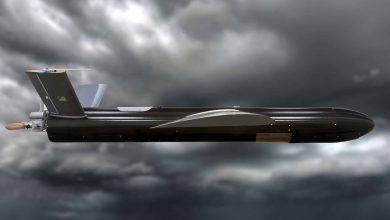
The REMUS lineup incorporates smaller shallow-water to deep-sea variants, with newer tactical models offering a depth of 600 meters (1,969 feet), a reach of 275 nautical miles (509 kilometers/316 miles), a speed of 8 knots (15 kilometers/9 miles per hour), and 110 hours of endurance.
To date, over 750 units of the REMUS technology are now deployed across approximately 30 countries, including 14 NATO navies, for mine countermeasures, seabed mapping, as well as intelligence, surveillance, and reconnaissance.
HII said more than 90 percent of the UUV’s global fleet remains operational.
“REMUS has endured for 25 years because it was designed to evolve,” said Duane Fotheringham, president of the unmanned systems group at HII.
“Its reliability, modularity, and open architecture allow operators to quickly adapt the platform to new missions while maintaining the performance and trust customers rely on.”