Sensor company HENSOLDT UK has secured two contracts with SRT Marine Systems to supply 50 coastal surveillance radar systems for national maritime monitoring networks.
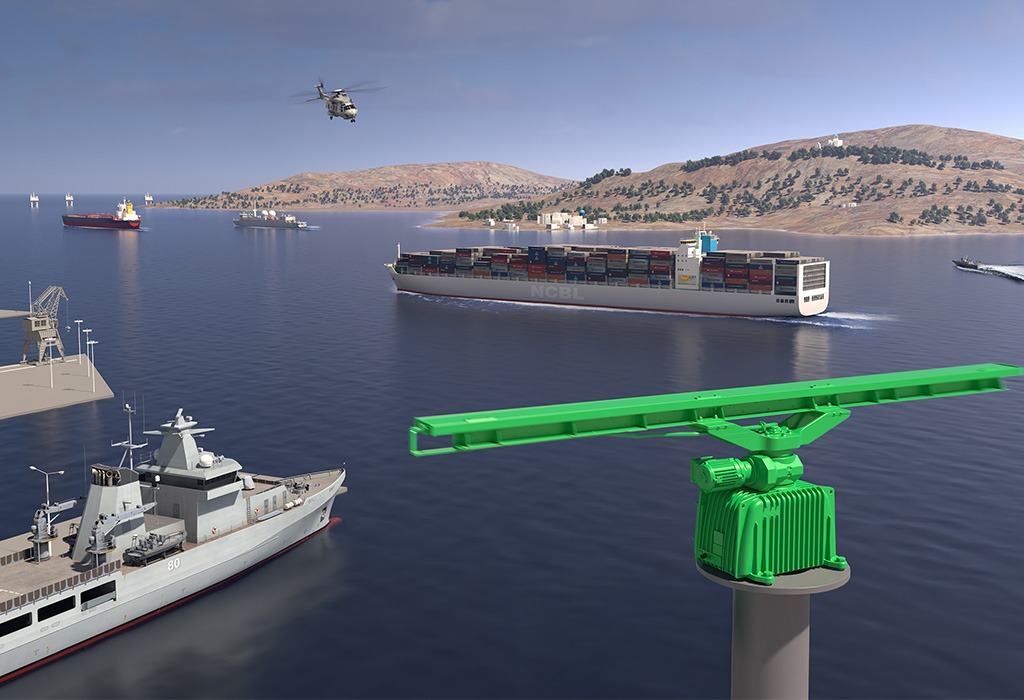
The systems will be deployed as part of integrated coastal surveillance infrastructure designed to improve detection, tracking, and situational awareness across busy and sensitive maritime zones.
Based on HENSOLDT UK’s Coherent Shore-Based Sensor architecture, the radars are built for continuous operation in coastal environments where weather, sea clutter, and high traffic density often complicate detection.
SRT CEO Simon Tucker said that the deal aligns with how “system deployments are rapidly expanding and accelerating worldwide as sovereigns seek to establish and build up independent next-generation maritime surveillance capabilities.”
“We are constantly seeking the best ISR systems from reliable providers for our systems, and this order demonstrates our confidence in HENSOLDT and its radars, which will both deliver excellent performance,” he said.
Deliveries are scheduled in 2026.
SharpEye Radar in Maritime Surveillance
At the center of each system is the company’s SharpEye radar technology, a solid-state transceiver designed to deliver long-range surveillance with lower maintenance demands and higher reliability than conventional mechanically scanned systems.
SharpEye is widely used in coastal surveillance, naval navigation, and harbor security applications. It is designed to improve detection of small targets in cluttered sea environments, including fast boats and low radar cross-section vessels.
In recent years, SharpEye systems have been deployed across multiple national maritime surveillance programs.
In 2024, HENSOLDT UK secured upgrades for coastal radar networks supporting UK maritime security operations, strengthening coverage across key shoreline regions.
The year before, SharpEye was selected for integration into naval patrol vessels and shore stations in Southeast Asia, where governments have been expanding maritime domain awareness capabilities to monitor territorial waters and shipping lanes.