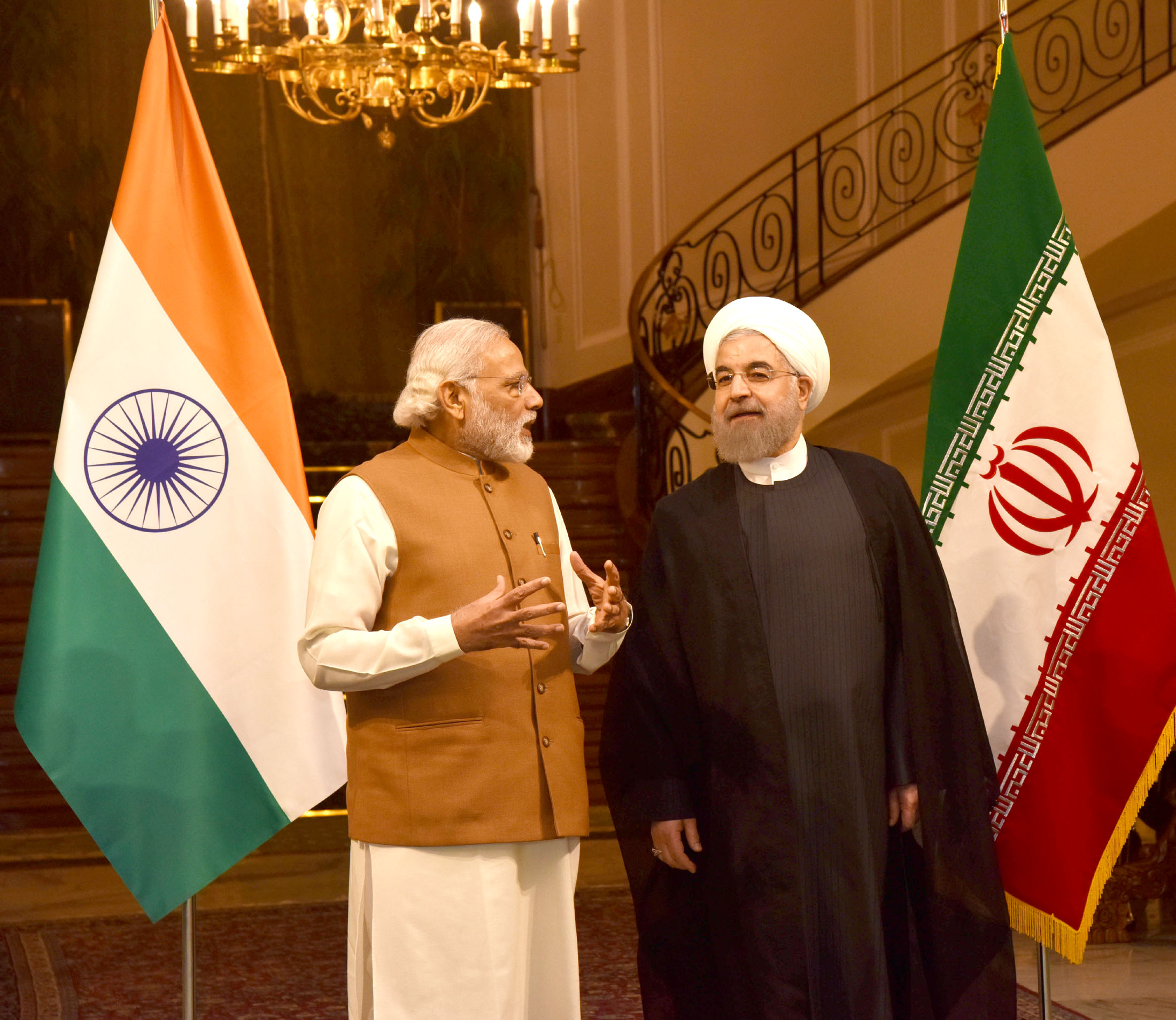
Why India Quietly Prefers a Weaker Iran Over Regime Change
For India, the risk isn’t Iran as it is, it’s what comes next.

As debate grows in Washington and Tel Aviv about the future of Iran’s regime, India is quietly hoping for an outcome few Western analysts consider: not regime change, but a weakened status quo.
This position may seem counterintuitive.
India has steadily deepened its strategic partnership with Israel, particularly in defense and intelligence cooperation. At the same time, it has little interest in seeing the current regime in Tehran collapse.
For Indian policymakers, the risks of regime change far outweigh the appeal of a transformed Iran.
The logic is rooted in history, geography, and hard-nosed strategic calculation. Regime change in politically complex states rarely produces predictable outcomes, and for India, unpredictability on its western flank is a liability.
The critical question in New Delhi is not whether the current Iranian regime is ideal, but who — and what — might replace it. Iran’s geographic proximity to Pakistan makes this question especially sensitive for New Delhi.
A Pragmatic Partnership
India and Iran have long maintained a pragmatic relationship. They were never formal allies, but sustained diplomatic and economic engagement for decades.
Cultural ties run deep, and Iran has often been viewed in India as a natural partner in the wider Asian geopolitical landscape.
Domestic politics also play a role. India is home to one of the world’s largest Muslim populations, including a significant Shia community that has traditionally viewed ties with Iran positively.
Maintaining a balanced relationship with Tehran therefore carries both external and internal political weight.
The risks of regime change are sharpened by history.
Under the Shah, Iran maintained close ties with Pakistan and supported Islamabad diplomatically during its conflicts with India in 1965 and 1971.
Relations between New Delhi and Tehran were correspondingly distant. The 1979 Islamic Revolution altered that dynamic. The new regime never became a close partner of Pakistan, due in part to sectarian tensions, and instead developed a more pragmatic relationship with India.
While Iran has never aligned fully with Indian interests, particularly in Afghanistan, it has served as a useful counterweight to Pakistan in the regional balance.
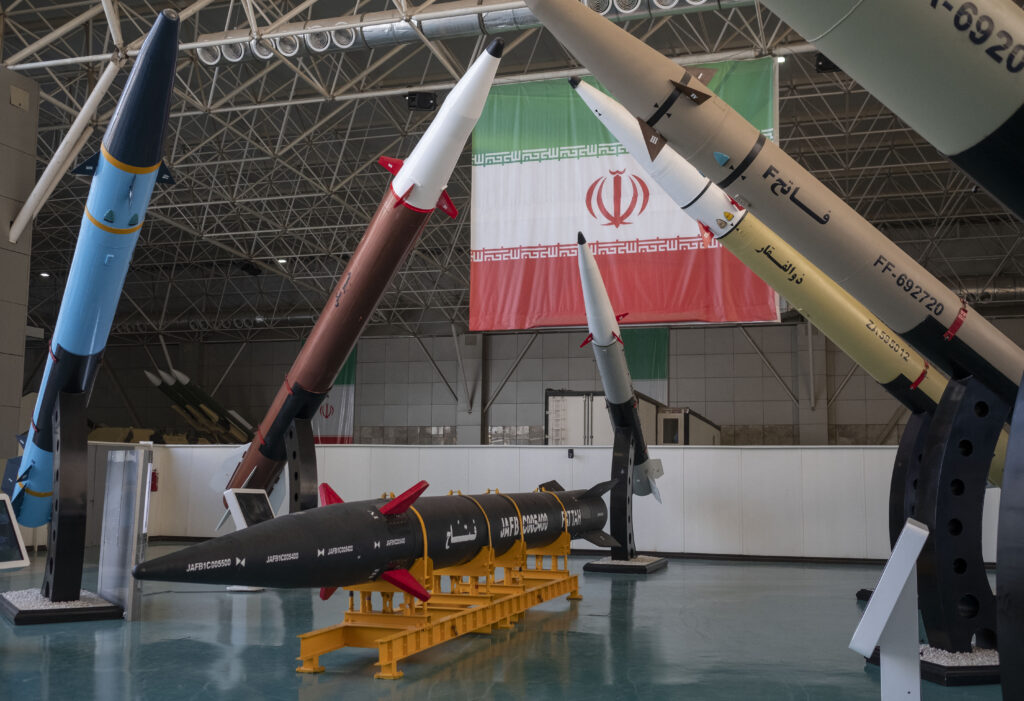
Why a Constrained Iran Works for India
India has also observed a consistent pattern in Iran’s external behavior.
When Tehran enjoys stable relations with Western powers, it tends to act with greater autonomy and pays less attention to Indian concerns,
When it faces economic pressure and isolation, however, it becomes more receptive to partnerships with countries like India.
For New Delhi, this reinforces the strategic logic that a constrained Iran may be more attentive to Indian interests than an unconstrained one.
Strategic Strangulation
A further concern is India’s increasingly difficult strategic environment.
To its east lies China, an assertive power with which India has ongoing border disputes. To its west lies Pakistan, its long-standing rival.
In recent years, the China-Pakistan partnership has deepened significantly, with expanded military cooperation and major investments through the China-Pakistan Economic Corridor.
Indian officials have also pointed to growing Chinese support for Pakistan in recent crises, including intelligence and technological assistance. Against this backdrop, New Delhi is highly sensitive to any development that could further strengthen Pakistan’s position.
A destabilized Iran, or a new regime that tilts toward Islamabad, could shift the regional balance in ways that disadvantage India, providing Pakistan with additional diplomatic, logistical, or even military support.
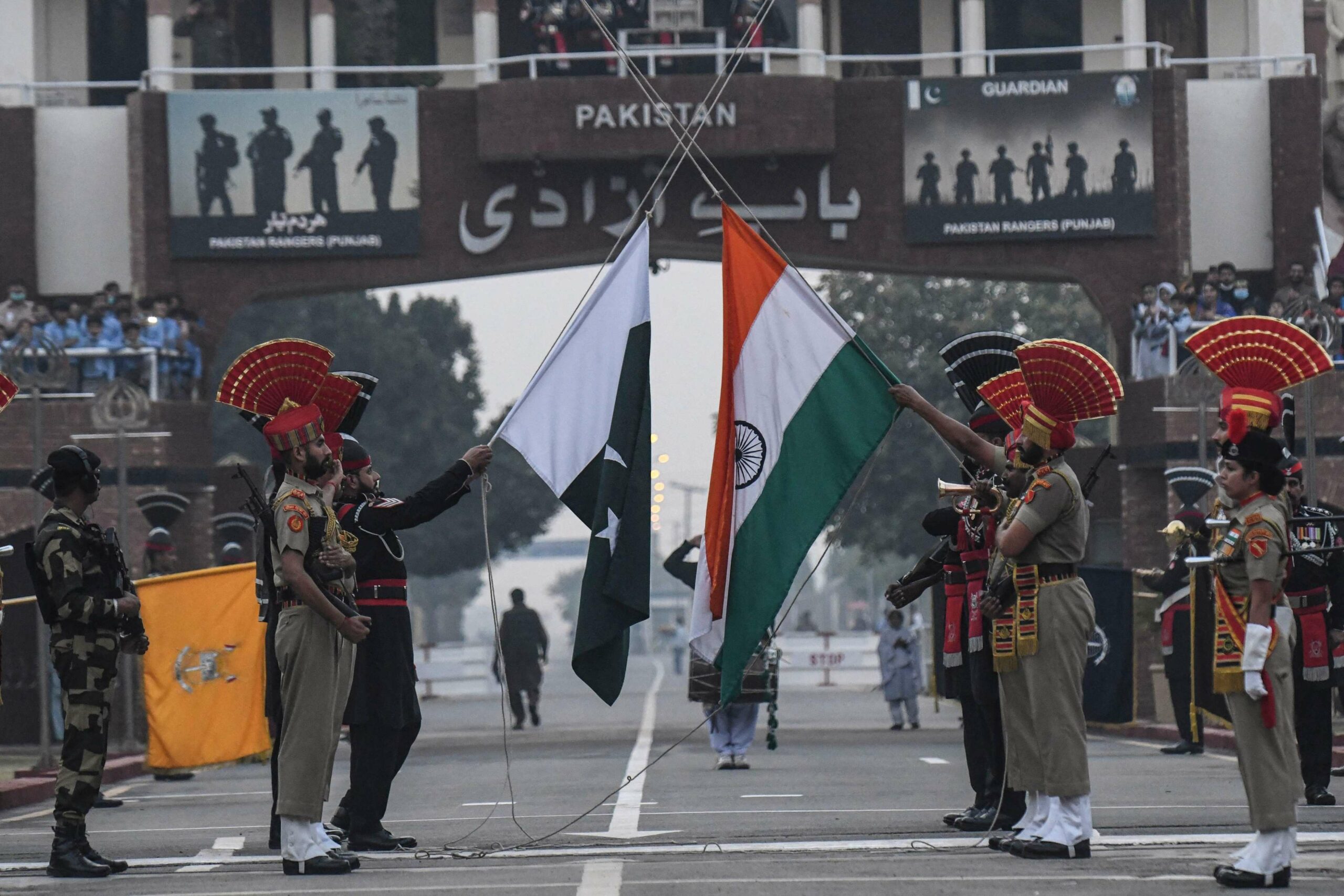
Better the Devil You Know
For India, this is a risk it would rather avoid.
At a time when it is already managing pressure from the China-Pakistan axis, the emergence of another unfriendly power on its western flank would significantly complicate its security environment.
This explains India’s cautious and sometimes ambiguous position on Iran. New Delhi continues to deepen its partnership with Israel and recognizes its security concerns. At the same time, it avoids endorsing calls for regime change in Tehran.
Instead, India’s preference is clear: a weakened Iran that remains politically stable and strategically independent.
Such an outcome limits Iran’s ability to project power aggressively while avoiding the instability — or geopolitical realignment — that could follow regime collapse.
For India, the question is not whether Iran’s regime is desirable, but whether the alternatives are worse.
In a region already defined by uncertainty, New Delhi prefers a constrained Iran it understands over an uncertain Iran it does not.

Krishna Vadlamannati is Associate Professor at the School of Politics & International Relations, University College Dublin, Ireland.
The views and opinions expressed here are those of the author and do not necessarily reflect the editorial position of The Defense Post.
The Defense Post aims to publish a wide range of high-quality opinion and analysis from a diverse array of people – do you want to send us yours? Click here to submit an op-ed.