Czech company Dronetag has announced it was selected as one of 20 firms joining the second cohort of the European Union Defence Innovation Scheme (EUDIS) Business Accelerator under a track focused on counter-drone technologies.
The EUDIS program, part of the European Defence Fund, supports startups developing technologies relevant to European defense capabilities.
Six of the 20 selected companies operate in the counter-unmanned aircraft system field, reflecting growing European demand for scalable drone detection tools.
EUDIS provides participating firms with technical mentoring, industry training sessions, and opportunities to engage with defense organizations, investors, and EU institutions.
The program includes several bootcamps held alongside major European defense events, as well as more than 300 hours of advisory support to help companies develop products and navigate defense procurement processes.
Dronetag is the first company from the Czech Republic to be admitted.
Moreover, the firm was selected for the NATO Defence Innovation Accelerator for the North Atlantic program in 2023, becoming the first Czech company to participate in that initiative.
Drone Detection Technology
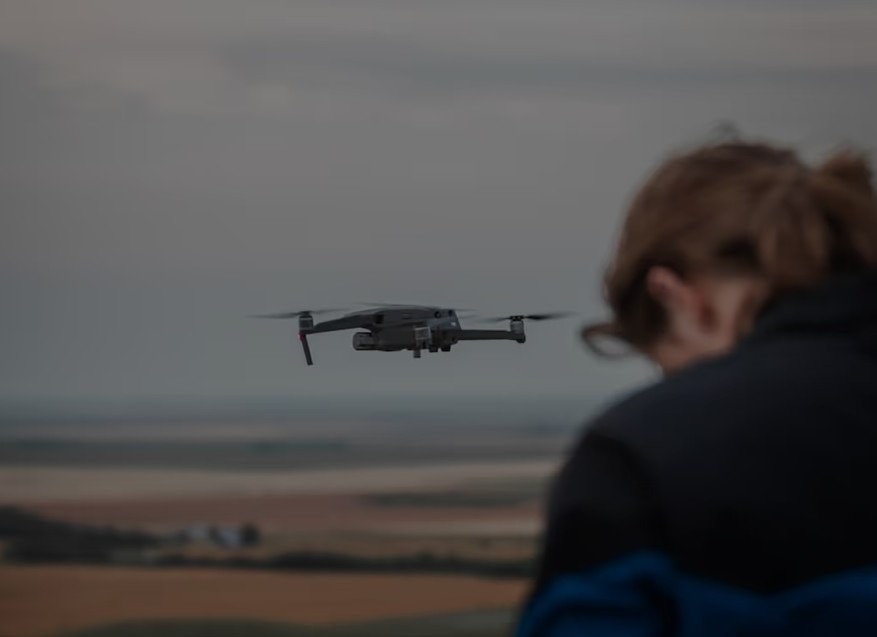
Dronetag develops passive radio-frequency systems designed to detect drones by receiving signals transmitted by the aircraft or their control links.
Because the sensors do not emit signals, they can be integrated into existing infrastructure without causing electromagnetic interference and can operate alongside other surveillance systems.
Dronetag’s detection platforms rely on Remote ID, a standardized identification protocol required for many drones in the US and the EU.
The company is also developing additional capabilities to detect drones that do not broadcast standard Remote ID signals.
These include identifying proprietary communication links used by some commercial drones and improving the detection of first-person view systems by analyzing control signals and video transmissions.
Future development plans include methods to locate drones using satellite navigation signals and to improve protection against spoofing or signal manipulation.