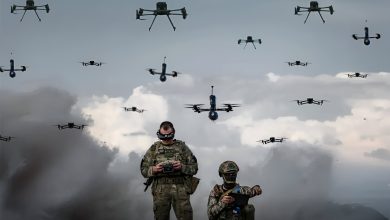
The US has obtained and tested a suspected directed-energy weapon that investigators believe could help explain the controversial illness known as Havana Syndrome.
The device was procured by the US Department of Homeland Security from a “Russian criminal network” in 2024, with the transaction funded by the Pentagon and valued at approximately $15 million, according to CBS News.
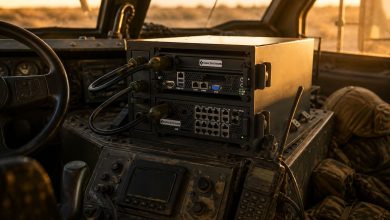
Sources familiar with the classified operation told the outlet that the weapon is small enough to conceal and produces a discreet heat or acoustic signature.
They specified that the capability is equipped with software responsible for generating pulsed electromagnetic waves that can disrupt biological tissue, penetrating walls and striking targets hundreds of feet away.
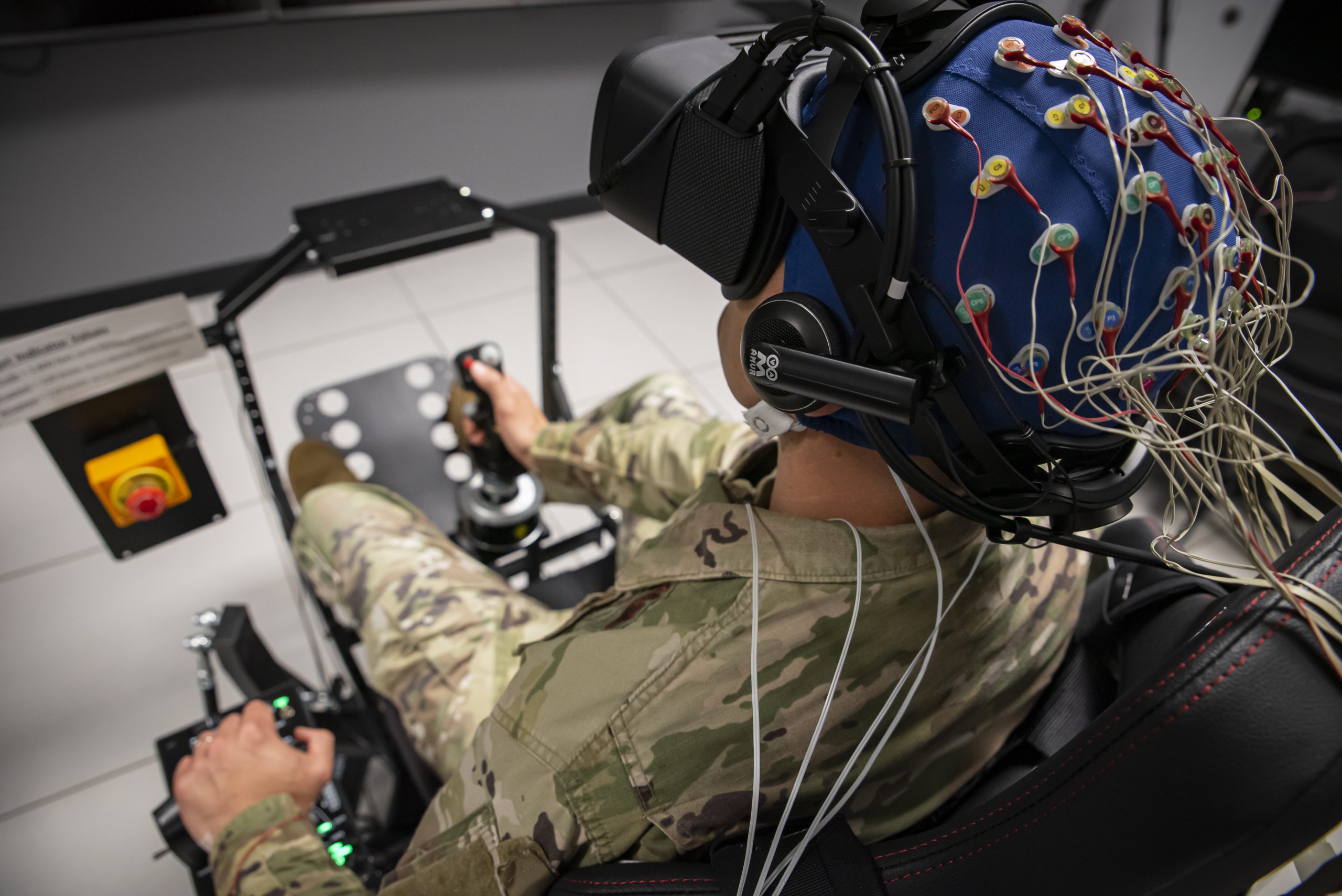
US military laboratories have tested the system on animals for more than a year, producing injuries similar to those reported by affected personnel.
Havana Syndrome
According to the National Library of Medicine, Havana Syndrome is a cluster of unexplained neurological symptoms first diagnosed in 2016 among US diplomats stationed in Havana, Cuba.
Victims described sudden pressure in the head, intense ear pain, dizziness, hearing and vision problems, and balance issues.
Some later developed persistent cognitive problems, including memory loss and difficulty concentrating.
Since then, roughly 1,000 suspected cases have emerged worldwide involving US diplomats, intelligence officers, military personnel, and family members. Incidents have been reported in China, India, Europe, and Washington.
One retired US Air Force lieutenant colonel who reported multiple incidents near DC in 2020 described the first episode.
“What it felt like was that — someone punched me in the throat, and my left ear was clogged. And I started to get sharp shooting pains going down my left arm,” the individual explained.
US intelligence agencies previously assessed it was “very unlikely” a foreign adversary caused the incidents, though debate continues within government over the possible role of directed-energy weapons.