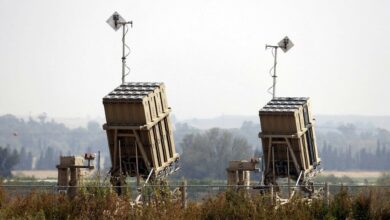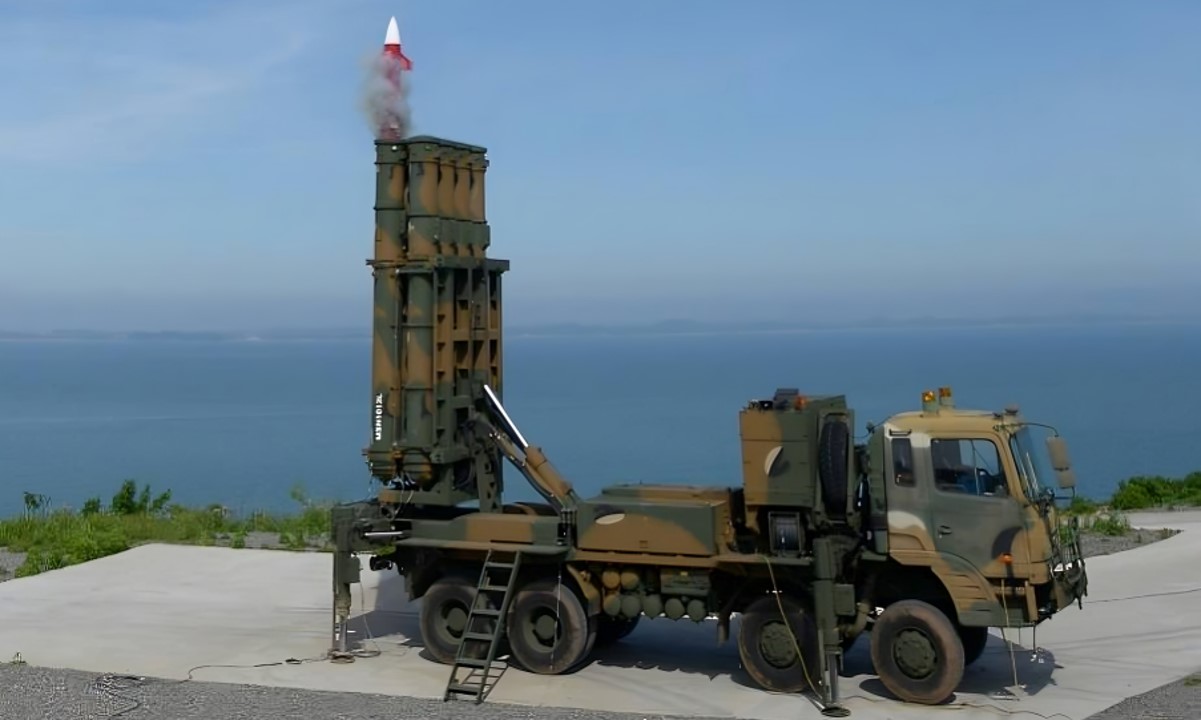
The UAE’s South Korean-made Cheongung-II surface-to-air defense system has intercepted Iranian attacks, marking the system’s first combat use overseas.
Abu Dhabi procured 10 Cheongung-II batteries from Seoul in 2022 — making it the system’s first export customer — and integrated two of them into its broader air defense network, which also comprises the US-made Patriot system.
It had an interception rate of more than 90 percent, similar to its performance during tests, against 174 ballistic missiles launched by Iran, with 161 destroyed, and 689 Iranian drones detected, of which 645 were intercepted, as per Korea Times, citing the UAE’s defense ministry.
Following the system’s performance, the Gulf state made an emergency request for more than 30 Cheongung‑II interceptors from South Korea, with Seoul approving the request and expediting the delivery ahead of its original schedule.
Within the Gulf region, Saudi Arabia and Iraq also purchased the South Korean air defense system in 2024.
Amid the conflict brought about by the US-Israel offensive against Iran, Gulf states have pushed for expedited deliveries of their ordered Cheongung-IIs and have reportedly requested the European SAMP/T system from Italy as well.
The Cheongung-II
South Korean firms LIG Nex1, Hanwha Systems, and Hanwha Aerospace co-developed the Cheongung-II, with a battery consisting of four launchers, radar, and a fire control center.
The first phase of Cheongung-II was deployed in 2024, followed by an initial deployment of the second phase in 2025, with full deployment of the second phase expected by 2027 within South Korea.
It forms a core part of the Korea Air and Missile Defense system, a multi-layered defense architecture designed to counter North Korea’s evolving missile threat, and fires 400-kilogram (882-pound) interceptors with a hit-to-kill technology against various targets, including ballistic missiles and aircraft.
However, the Cheongung-II’s successful interception of Iranian missiles does not necessarily translate to a favorable performance against North Korea’s missile threats, according to research fellow Yang Uk at the Asan Institute for Policy Studies.
“Iran’s older missiles resemble North Korea’s, but North Korea’s latest systems are far more advanced …Missiles such as the KN-23 and KN-24 can perform evasive maneuvers, and none of the missiles Iran launched this time had that capability,” Yang was quoted as saying by Korea Times.