Ondas has won around $6 million in new orders from defense and homeland security customers in the Middle East for its Sentrycs counter-drone systems.
The deals come as governments seek to strengthen protection of critical infrastructure amid escalating drone and missile threats.
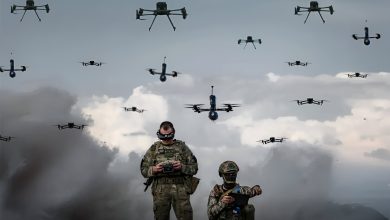
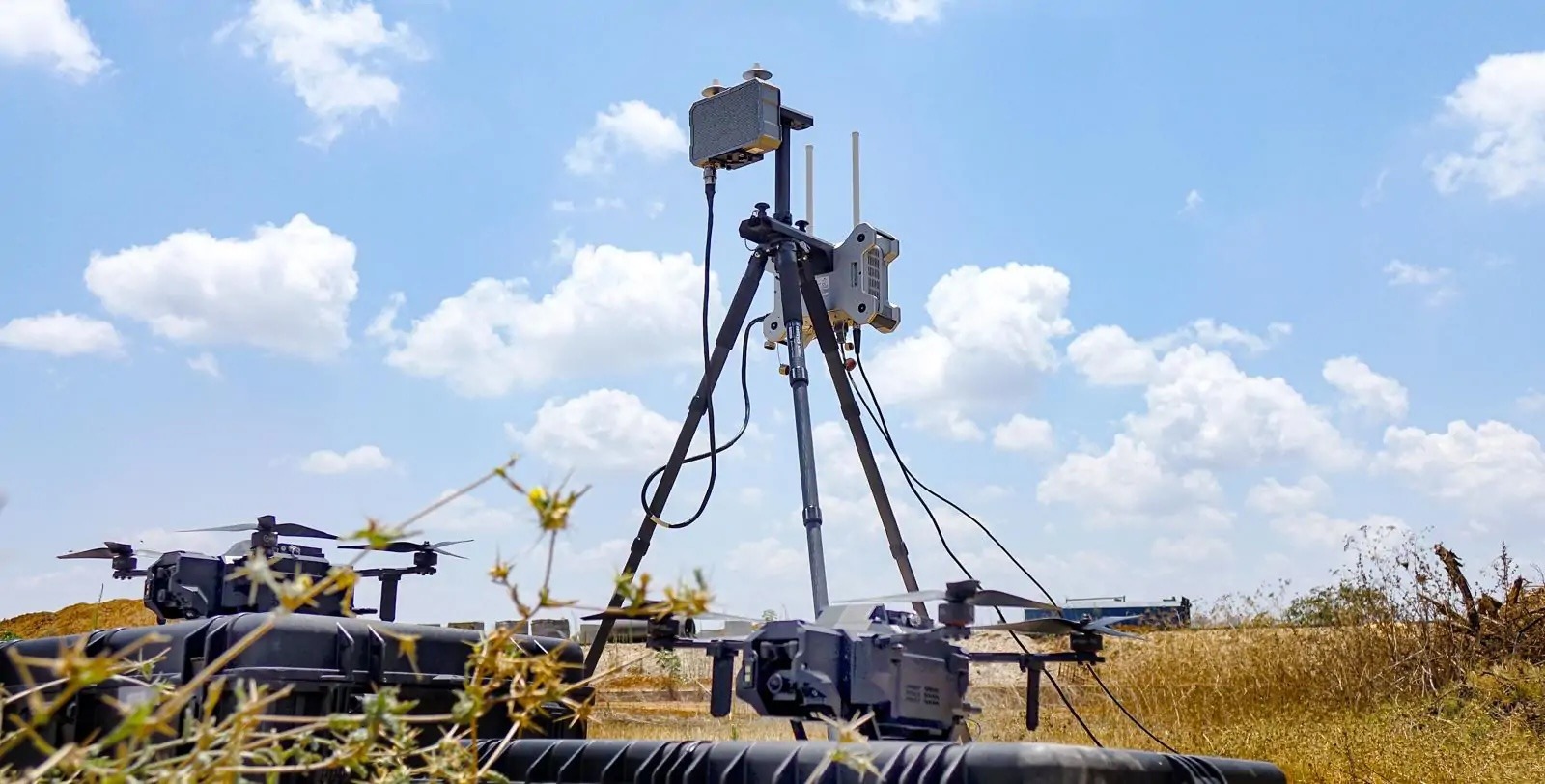
The orders cover dozens of systems designed to detect, identify, and mitigate hostile unmanned aerial systems without broadly disrupting surrounding communications.
Using advanced cyber and radio-frequency techniques, Sentrycs aims to track and redirect unauthorized drones out of protected zones or force them to land, providing robust counter-drone capability across strategic sites such as energy facilities, military bases, and ports.
Ondas said demand for scalable counter-drone technologies is rising as small drones become increasingly prevalent in regional conflicts.
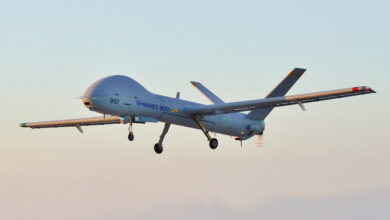
Its strategy includes integrating these systems into a layered defense architecture alongside autonomous interceptor drones like its Iron Drone Raider platform to address a spectrum of low-altitude threats.
Oshri Lugassy, co-chief executive officer of Ondas Autonomous Systems, said that the company’s goal is “to provide operators with the most powerful and reliable counter-drone solutions available, enabling them to protect assets effectively.”
Air Defense Intensifies
Heightened tensions in the Middle East following US and Israeli strikes on Iran have driven allied nations and military alliances to boost air defense postures and procure additional systems this year.
NATO recently strengthened its ballistic missile defense posture in response to a missile fired from Iran that was intercepted over the eastern Mediterranean, a move alliance officials said reflects growing concerns about indiscriminate regional attacks.
NATO commanders agreed to maintain this heightened level of readiness amid ongoing strikes and aerial threats across the region.
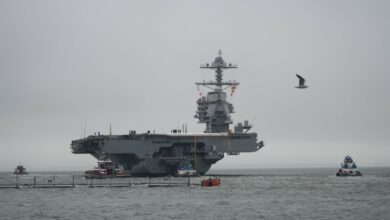
Complementing NATO’s broader posture shift, France deployed its flagship aircraft carrier, Charles de Gaulle, and its air wing to the Mediterranean to help protect allied assets, including deploying additional air defense units based on Cyprus after Iranian-linked drone activity struck a British base there.
Meanwhile, Turkey has weighed deploying F-16 fighter jets to Northern Cyprus as part of phased security planning to address spillover from the Iran conflict.