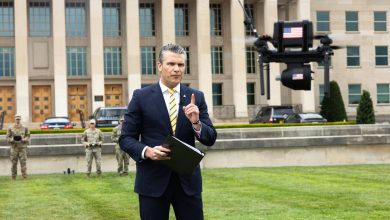
The US Department of Homeland Security has selected Fortem Technologies’ net-equipped DroneHunter system to help protect 2026 FIFA World Cup venues across the country from potential drone threats.
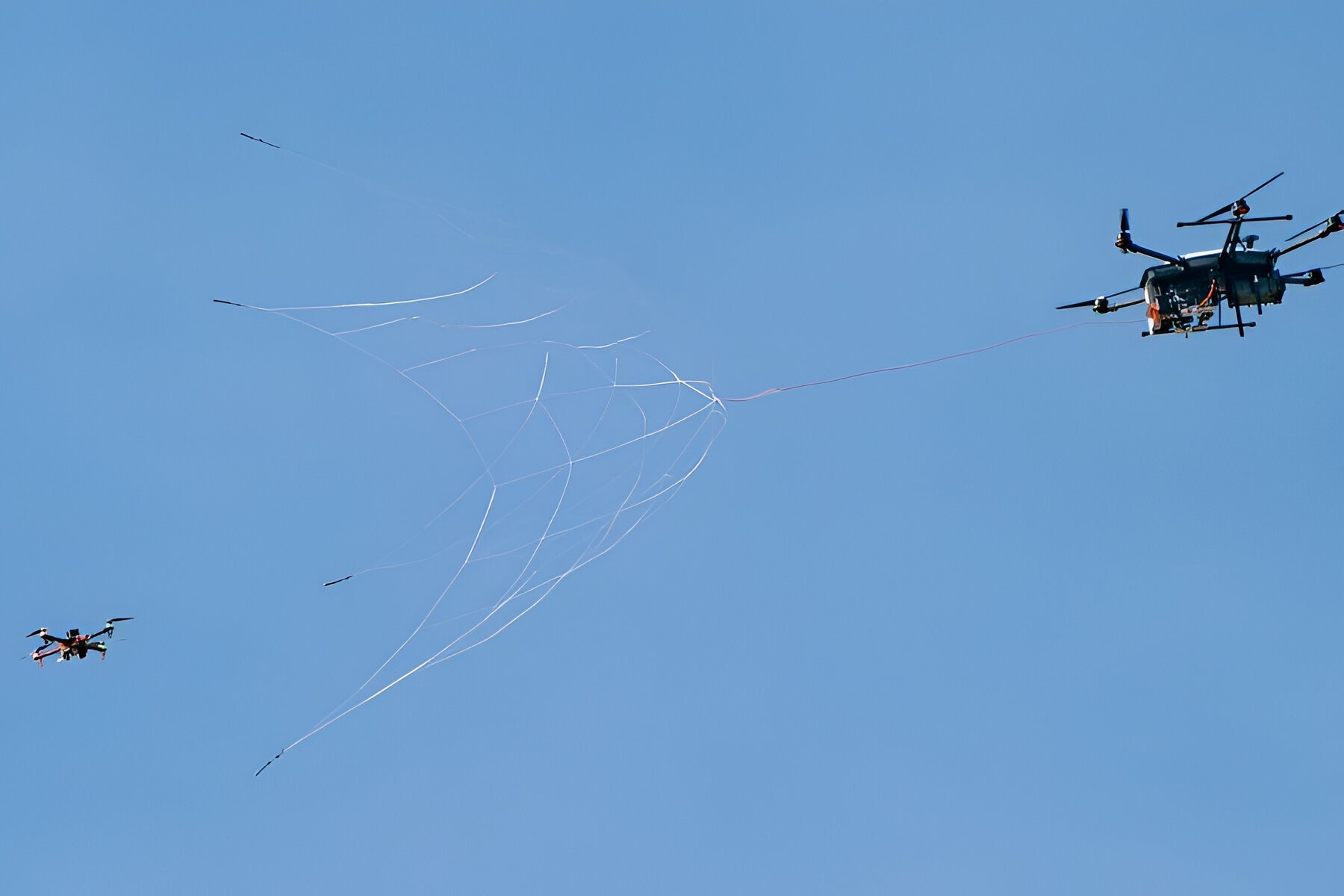
Under the multi-million-dollar contract, the Utah-based company will deploy its counter-drone solution designed to capture hostile unmanned aerial systems midair using a net. The method enables drones to be secured without creating hazardous debris, minimizing risks to spectators and critical infrastructure below.
“It’s an honor for Fortem to once again protect the FIFA World Cup, this time on our home turf,” Fortem CEO Jon Gruen said.
“The threat posed by small drones is one of the most consequential shifts in security of our lifetime. But it’s a threat we know how to stop – and we’ve already proven it on one of the world’s biggest stages.”
Fortem is the sole provider of a kinetic counter-drone capability for the June-July event, which is expected to draw more than one million international visitors and be the largest football tournament ever staged.
DroneHunter System
Fortem’s counter-drone solution integrates ground-based TrueView R30 radars, SkyDome command-and-control software, and DroneHunter hexacopter interceptors.
Equipped with AESA technology, the R30 radar provides 3D airspace awareness, detecting, tracking, and classifying aerial threats before displaying them to operators in real time. SkyDome then conducts automated threat assessments, enabling rapid and informed decision-making.
If a drone is identified as hostile, operators can launch a DroneHunter at the push of a button. The nearest unit autonomously deploys within seconds to intercept, with additional interceptors available as backup. The system is designed to neutralize threats well before they can breach sensitive airspace.
Can Capture Wide Range of Drones
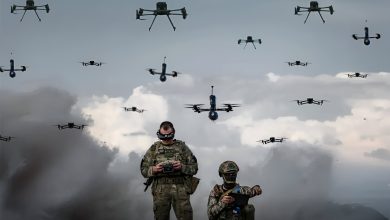
Small drones are increasingly used for surveillance, disruption, and coordinated attacks. Packed stadiums represent high-value targets, while authorities have limited safe options to counter airborne threats without endangering crowds.
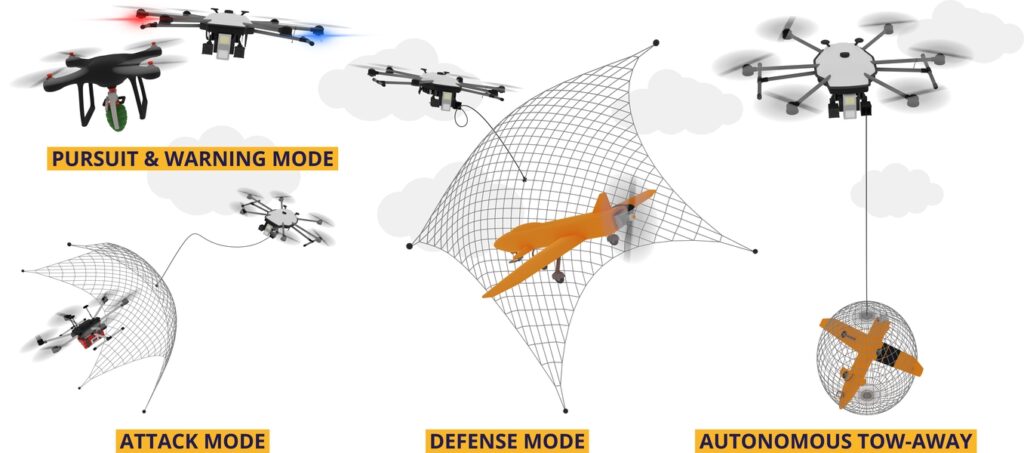
Armed with multiple NetGuns and the proprietary DrogueNet system, DroneHunter can capture rotary- and fixed-wing aircraft, including Group 1, 2, and 3 unmanned systems such as the Russian Orlan-10 and Iranian Shahed-136.
Larger drones are forced into a controlled descent, allowing time to secure the area below, while smaller drones can be towed to a designated recovery point. Once captured, the drone is fully neutralized.
The system is designed for rapid deployment and can be repositioned to protect venues as the tournament moves across host cities.