Switzerland Buys Black Hornet Nano Drones From Teledyne FLIR Defense

Teledyne FLIR Defense has secured a $17.5-million contract to supply large quantities of its proprietary Black Hornet 4 nano-class drones to Switzerland.
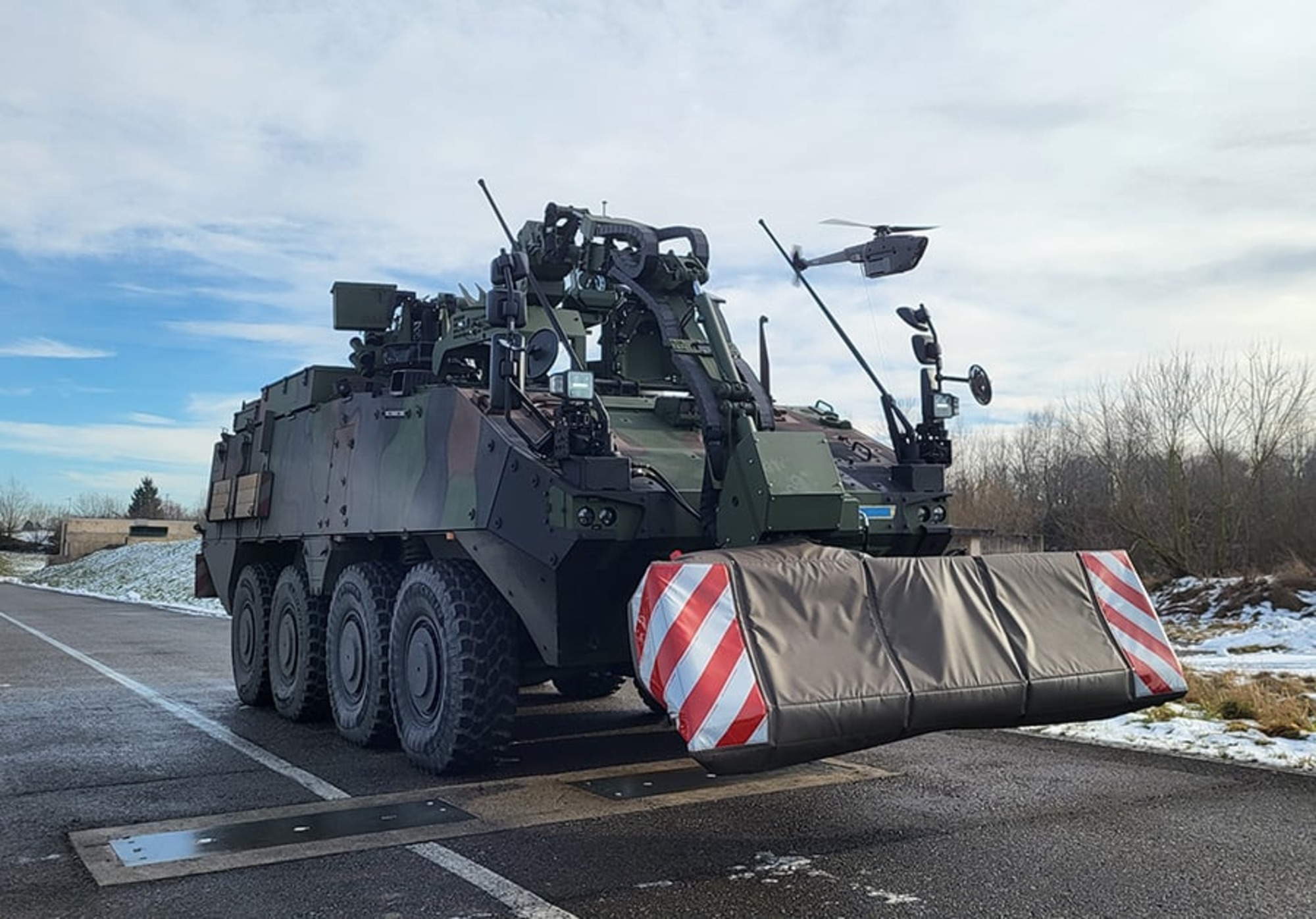
The small unmanned aerial system (UAS) fleet will complement operations of the European country’s Piranha 8×8 armored engineering vehicle as a “dismountable intelligence, surveillance, and reconnaissance capability sensor,” according to the Oregon-based company.
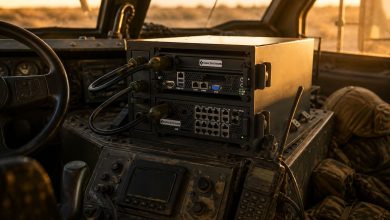
Part of the contract is the rewriting of the Black Hornet’s software to synchronize with the Piranha’s existing digital infrastructure, allowing aerial live feeds direct to the ground platform and its crew.
This approach will be supported by an Integrated Combat Solution, with compatibility works to be provided by Kongsberg Defence & Aerospace, enabling the generation of target points for the Piranha’s remote turret in addition to standard video relay.
Teledyne FLIR added that the Piranha will be able to deploy and receive the Black Hornet while on the move.
‘Force Multiplier’
Dr. JihFen Lei, president at Teledyne FLIR Defense, said that the Swiss contract highlights the Black Hornet’s “unique tactical capabilities as a force multiplier.”
“By providing the same immediate situational data to all vehicle systems and crew, we can help reduce cognitive burden and boost warfighting effectiveness,” she said.
“The program shows the market potential for UAS integration on armored vehicles globally and the promise of ‘drone-in-a-box’ systems FLIR Defense has developed specifically for vehicles, including our Black Recon and SkyCarrier solutions.”
Teledyne FLIR’s Black Hornet 4
Teledyne FLIR’s Black Hornet 4 measures 255 millimeters (10 inches) long, has a rotor diameter of 190 millimeters (8 inches), and a flight speed of 10 meters (33 feet) per second.
The nano drone is originally designed for hand-launch in under 20 seconds, and can carry out reconnaissance missions by collecting optical, acoustic, and electromagnetic data from potential threats within a 2-kilometer (1.2-mile) range.
The UAS can withstand wind gusts of up to 25 knots (46 kilometers/29 miles per hour) and deploy in environments of 20 to 43 degrees Celsius (-4 to 109 degrees Fahrenheit).