Pentagon Watchdog Warns Unclear Anti-Drone Rules Leave US Bases Exposed

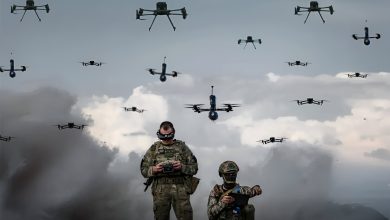
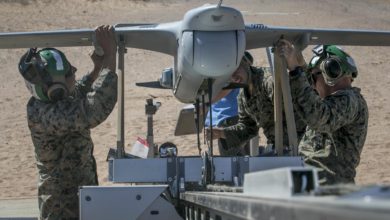
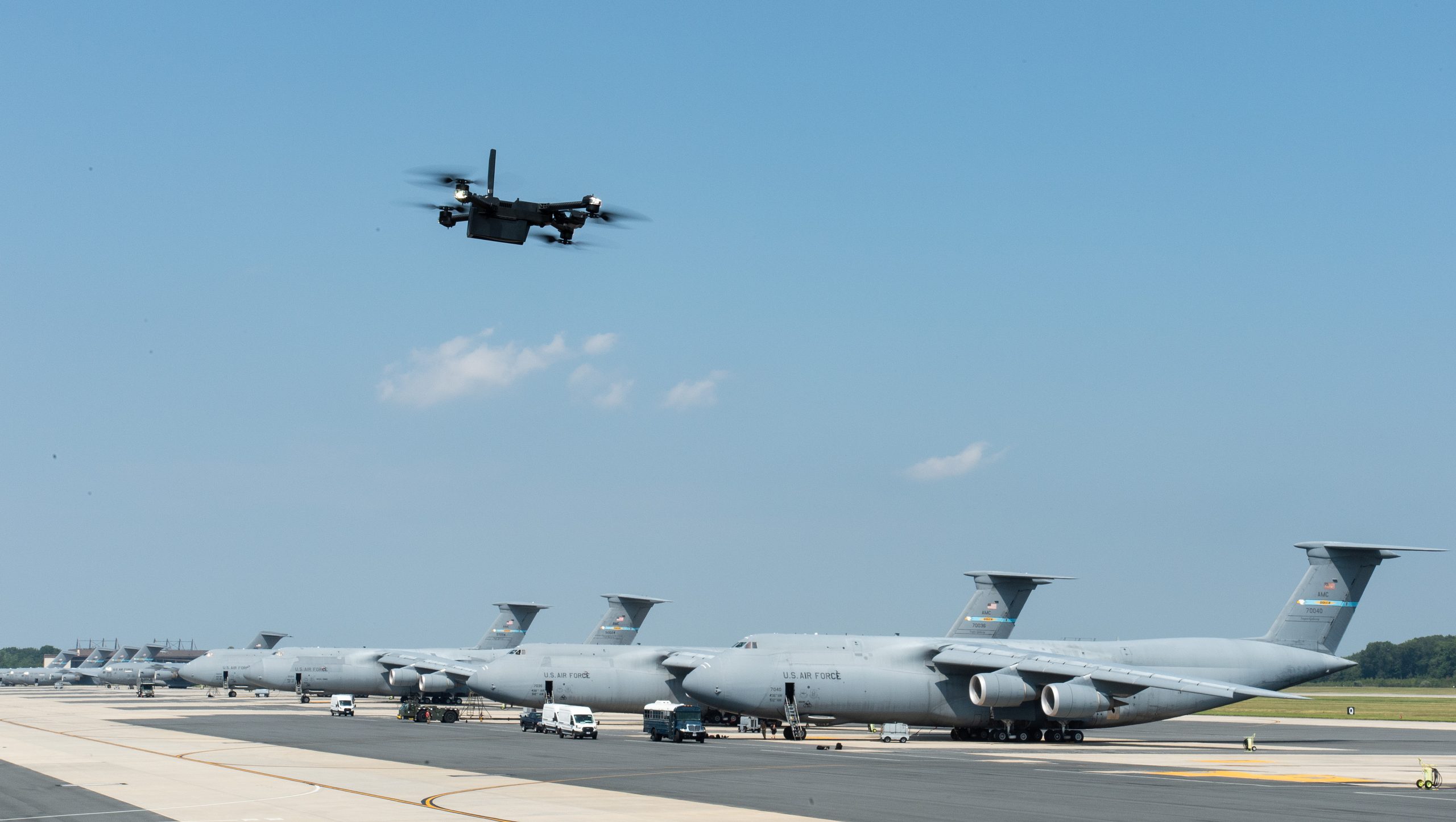
A US Department of Defense paper has warned that unclear and inconsistent policies are leaving some American military installations vulnerable to unmanned aerial system (UAS) incursions.
Released by the Pentagon’s Office of the Inspector General, the document highlighted that confusion over which bases qualify as “covered assets” under federal law has limited commanders’ ability to detect or neutralize drones, even at sites tied to sensitive operations.
Issues Specified
The paper cited Section 130i of Title 10, which permits certain US-based facilities to use particular anti-drone solutions if they support one of nine mission areas, including nuclear deterrence, missile defense, air defense, and high-yield explosives.
It said Pentagon guidance does not clearly define how some critical missions fit those categories, leaving leaders uncertain about their authority.
The investigation reviewed 10 locations that experienced drone incursions, all of which have been identified with multiple incidents where they lacked clearance to deploy counter-UAS systems.
Sources noted other installations that should have similar authorization, such as Luke Air Force Base in Arizona, where about 75 percent of the world’s F-35 pilots train.
A US Air Force plant in California that builds and sustains advanced aircraft, including the Global Hawk, also lacked clear coverage during multiple drone incidents in 2024.
Recommendations, Special Unit
Due to delays and inconsistent outcomes caused by different bureaucratic procedures, the inspector general’s office urged immediate action and recommended consolidating more than 20 existing counter-drone policies into a single, standardized framework.
Ahead of the review, the Pentagon has also established the Joint Interagency Task Force 401 to coordinate and streamline domestic counter-drone authorities and capabilities.