Trump and Greenland Aren’t the Shock — Europe’s Dependence Is
Greenland reveals how Europe’s principles bend when power comes from Washington.

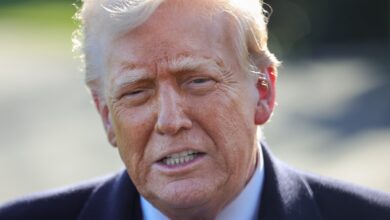
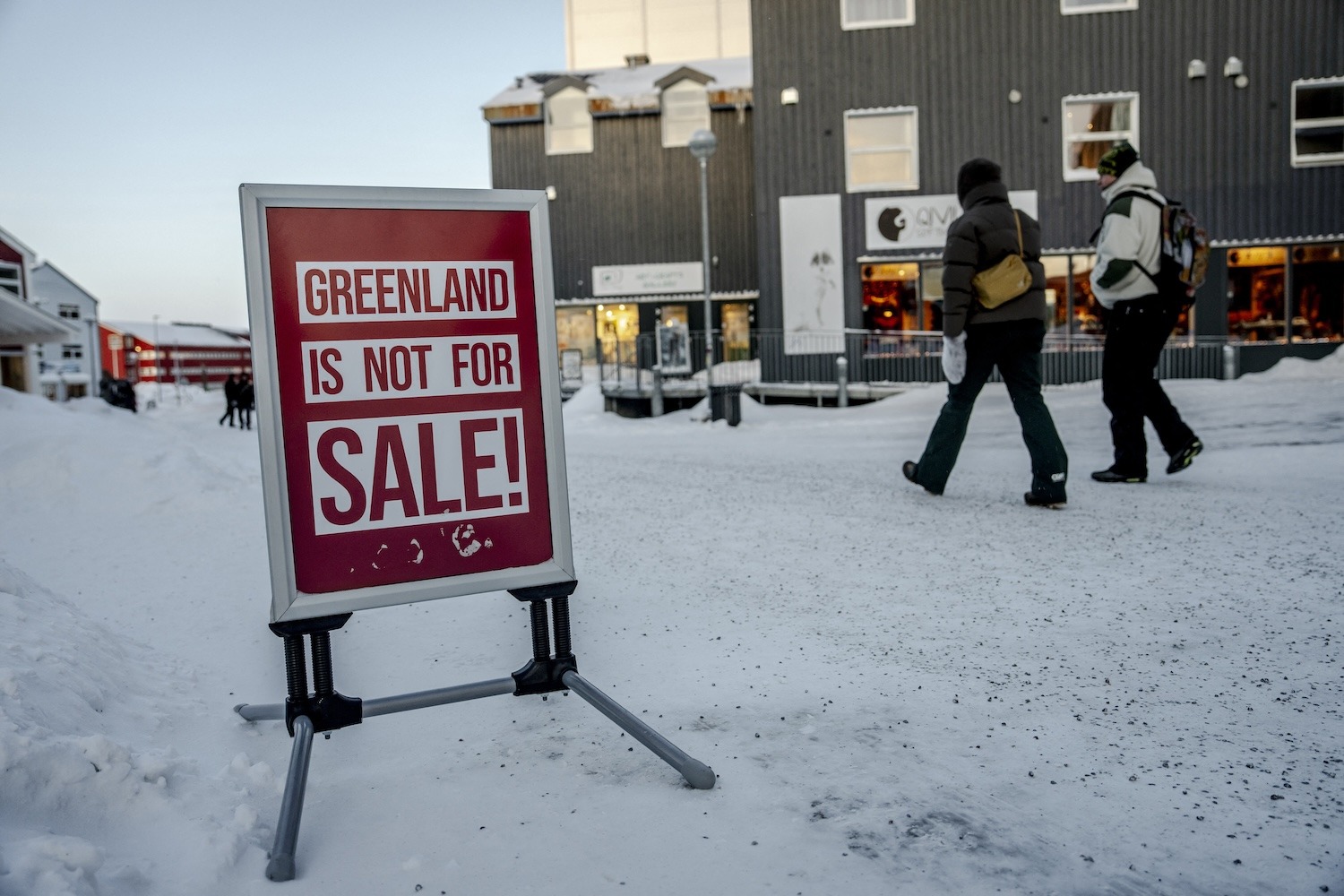
Donald Trump has backed down from using force to take Greenland, a vast territory, sparsely populated, strategically vital, and constitutionally linked to Denmark.
Since taking office in January 2025, Trump made little effort to disguise his interest in acquiring Greenland, signaling that he is prepared to pursue it by any means necessary.
His administration has already opened channels with Danish officials and representatives from Greenland in what amounts to thinly veiled coercive diplomacy.
He even imposed 10 percent tariffs on eight European countries starting from 1 February, threatening to raise it to 25 percent from 1 June until Washington is allowed to take Greenland.
Under this backdrop, for many present at the World Economic Forum in Davos on 21 January, Trump’s decision to abandon the military option over Greenland was a collective sigh of relief.
While the military threat was averted, this raises an unavoidable question for Europe: does this moment finally force a reckoning with its long-standing double standards in global politics?
Europe’s Double Standards
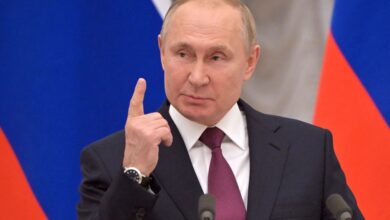
Europe swiftly sprang into action in response to Russia’s invasion of Ukraine. Sanctions, asset freezes, travel bans on officials, and the ICC arrest warrant turned Vladimir Putin into an international pariah almost overnight.
Europe asserted in one voice: borders cannot be redrawn by force, sovereignty is sacred, and international law must be defended at all costs.
But would Europe have acted the same way if the US were the aggressor? Would it have sanctioned Washington? Froze American assets in Europe? Bar US officials from European capitals? Sought an ICC arrest warrant against Trump? Would Europe demand the rest of the world take a moral stand, as it did over Ukraine?
In November 2025, Putin was condemned in a joint op-ed by British, French, and German envoys in India which provoked a sharp backlash from New Delhi, bluntly reminding Europe it does not set the moral compass for the world.
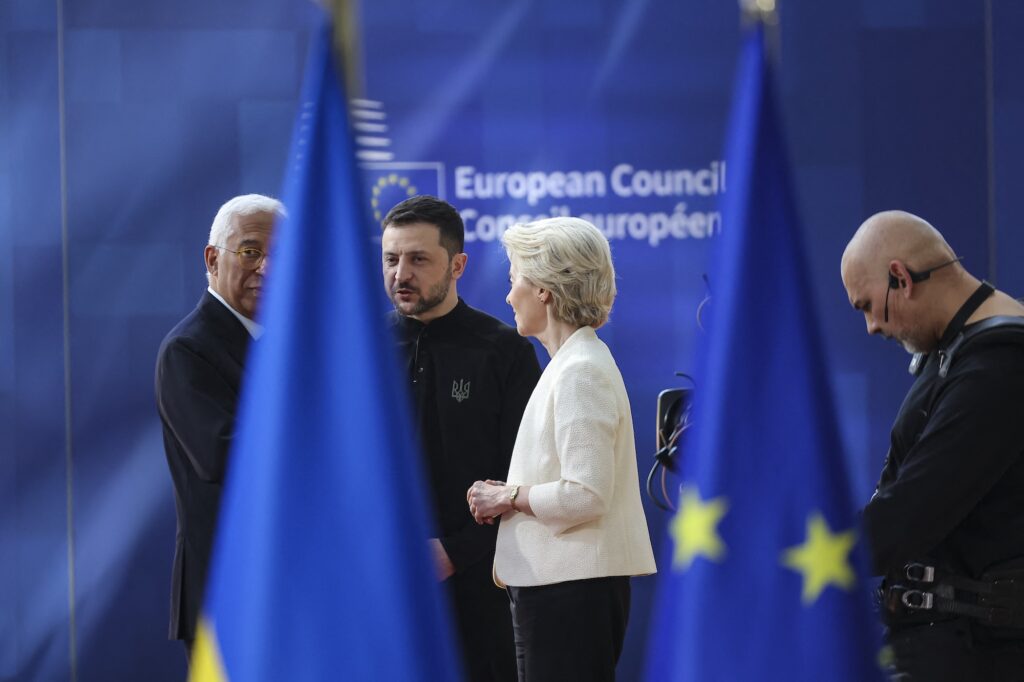
Europe now faces a hard truth. It cannot respond to the US as it did to Russia. Comprehensive sanctions, asset freezes, and diplomatic isolation are simply off the table when dealing with its most important economic and security partner. Pretending otherwise would only deepen Europe’s strategic self-delusion.
Time for a Strategic Reckoning
Trump may have backed down on Greenland, but Trumpism is here to stay. It is out of the bottle, and it cannot be put back.
Political forces inspired by him are quietly consolidating influence, and Europe cannot assume the next American administration will be more predictable. The lesson is clear: relying entirely on Washington for security and stability is a risk Europe can no longer afford.
A smarter path is diversification — what some call the “multi-alignment” approach. Europe must reduce overdependence on a single partner by deepening trade and security ties across Asia and other regions while gradually building its own credible defense capabilities.
Greenland is a wake-up call. Europe’s choices now will define its credibility for decades. Will Europe act with principle, or will its long-standing double standards be exposed for all to see?

Krishna Vadlamannati is Associate Professor at the School of Politics & International Relations, University College Dublin, Ireland.
The views and opinions expressed here are those of the author and do not necessarily reflect the editorial position of The Defense Post.
The Defense Post aims to publish a wide range of high-quality opinion and analysis from a diverse array of people – do you want to send us yours? Click here to submit an op-ed.