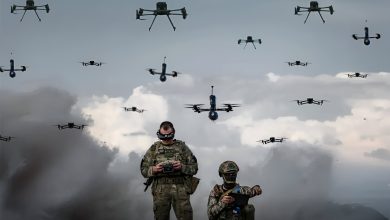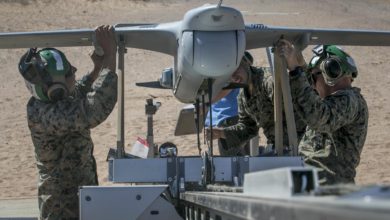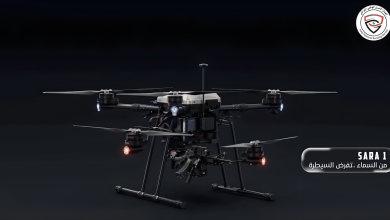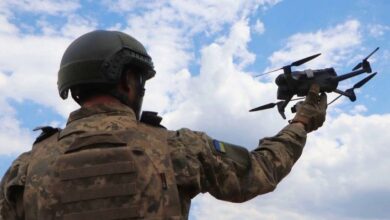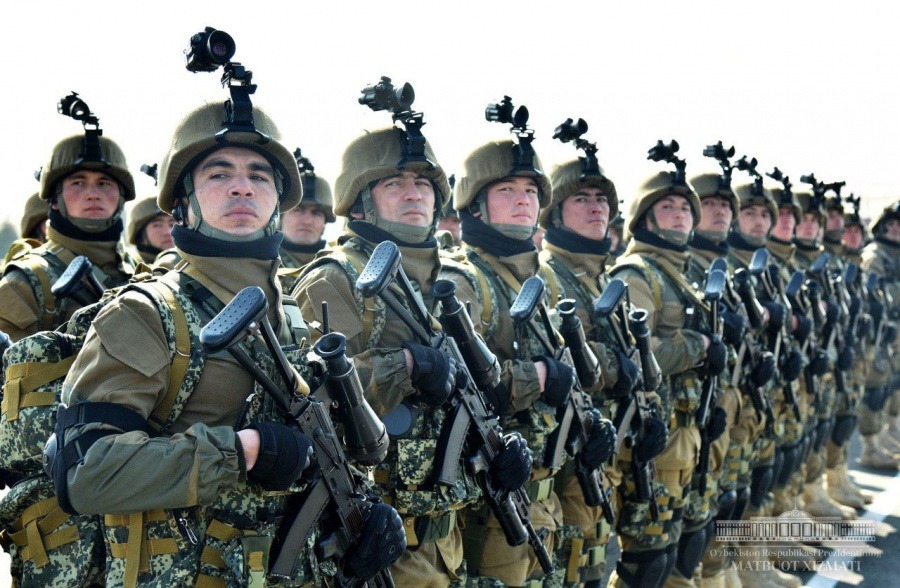
Uzbekistan is expanding the use of digital surveillance and unmanned systems to reinforce border security, including the deployment of Turkish-made Bayraktar drones, local news has reported.
At a Security Council meeting focused on defense and national security policy, Chairman of the State Security Service Bakhodir Kurbanov reported that 42 percent of Uzbekistan’s border is now covered by a video surveillance system.
He added that more than 1,100 kilometers (683 miles) of fiber-optic communication lines have also been installed.
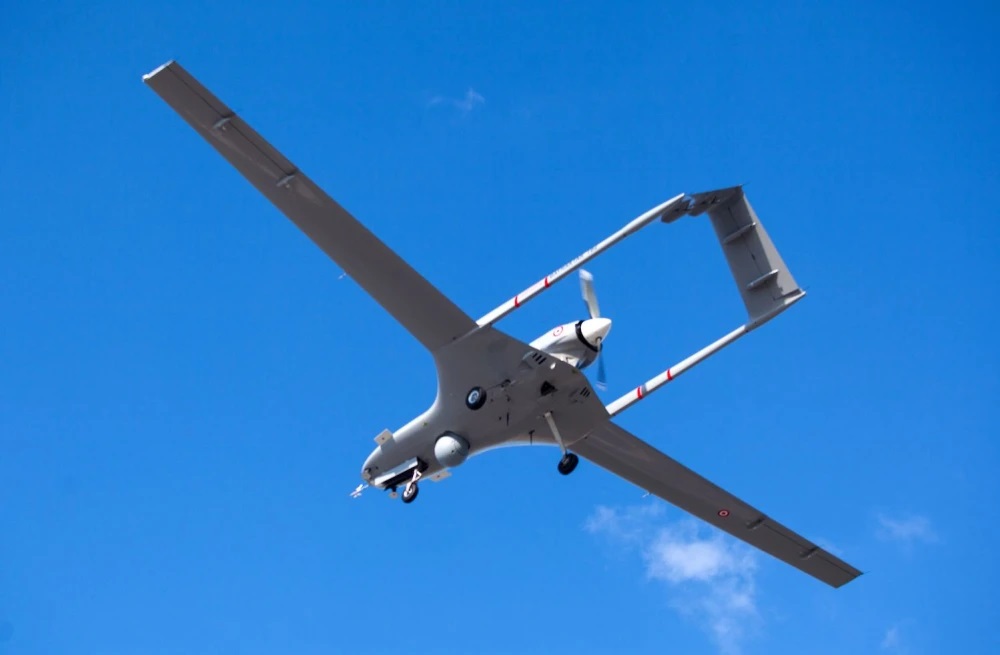
Kurbanov also confirmed that a new special unit equipped with Bayraktar unmanned aerial vehicles (UAVs) has begun operations.
During the same meeting, President Shavkat Mirziyoyev instructed government and security officials to revise Uzbekistan’s Defense Doctrine and National Security Concept to reflect emerging threats and technological developments.
According to the presidential administration, the updated documents are expected to maintain Uzbekistan’s policy of military non-alignment, emphasize multilateral diplomacy, and place greater focus on high-technology capabilities and regional stability.
Growing Attention on Drones
In recent years, Uzbekistan has shown growing interest in both domestic and foreign unmanned aerial systems.
The country launched production of the locally developed Lochin (“Falcon”) UAV, designed by the State Committee for Defense Industry’s research and production center and intended for both military and civilian use.
According to local media, during a 2023 visit to a military unit in southern Surkhandarya, bordering Afghanistan, President Mirziyoyev observed a demonstration flight of the Turkish-made Bayraktar TB2 and discussed plans to expand Uzbekistan’s UAV capabilities.
The Bayraktar TB2 is a medium-altitude, long-endurance drone.
It is powered by an internal combustion engine with a rear-mounted pusher propeller and can carry up to four guided munitions on external hardpoints.
The system can remain airborne for up to 24 hours and has a control range of up to 150 kilometers (93 miles).