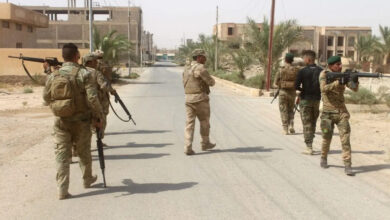
Recent statements from Baghdad claiming progress on “restricting weapons to the hands of the state” have been welcomed as a long-overdue step toward restoring Iraqi sovereignty.
Look closer, however, and a different picture emerges.
What is unfolding is not genuine disarmament, but a calculated effort by Iran-backed militias to buy time amid rising regional and international pressure.
Iraqi officials now speak of dialogue with armed factions, judicial oversight, and imminent enforcement of the law. At the same time, militia leaders have issued carefully calibrated statements expressing conditional support for state authority while avoiding any concrete commitment to surrender their weapons.
The coordination of these messages, and their timing, is hard to dismiss as coincidence.
The core question remains unanswered: who is actually giving up weapons, and to whom?
Rebranding Control as Compliance
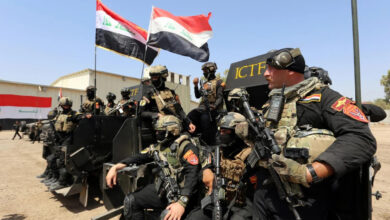
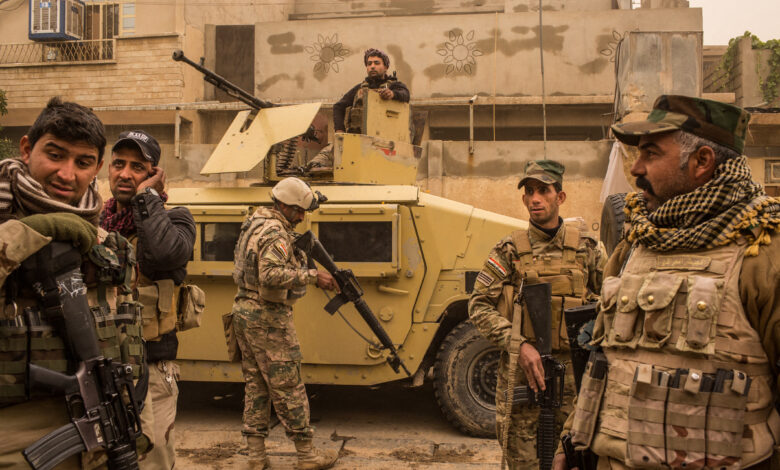
Militia factions insist that any handover would be to the Popular Mobilization Forces (PMF), arguing that the PMF is a state institution because it was legalized by parliament.
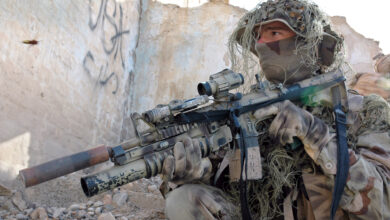
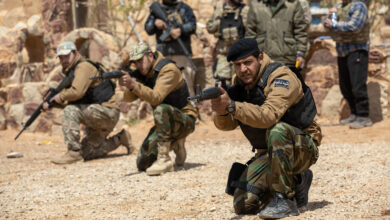
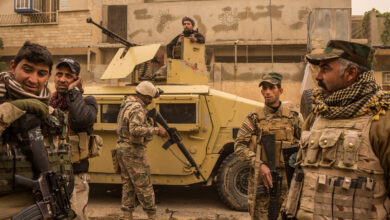
That claim obscures the real issue. The PMF is not an independent national force standing above factional interests. It is an umbrella dominated by the same militias now claiming compliance, many of which retain their own chains of command, intelligence units, economic networks, and external loyalties.
Moving weapons from militias to an institution they themselves control is not disarmament. It is rebranding.
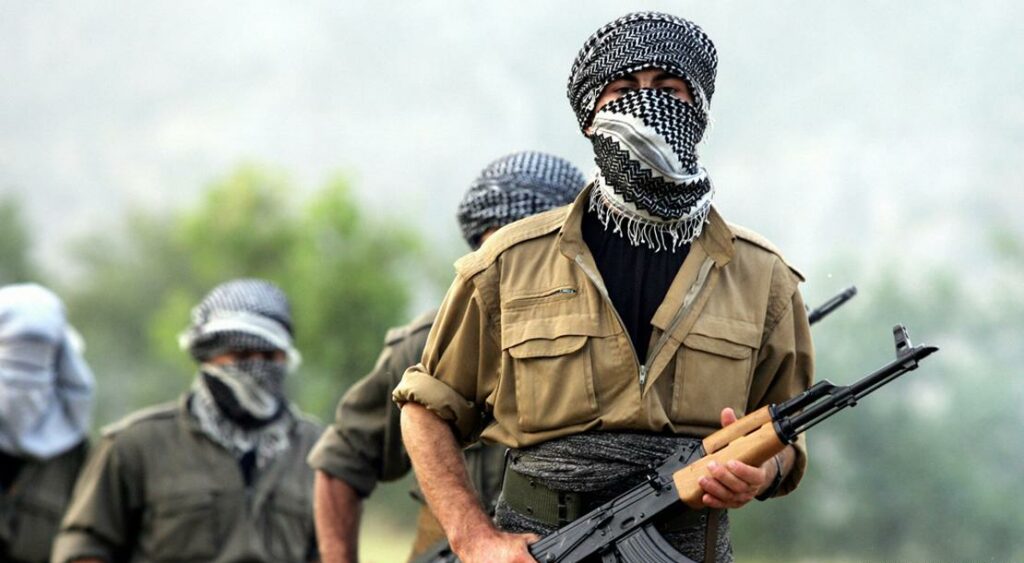
Some factions have been even clearer, rejecting unconditional weapons surrender outright and framing their arms as ideologically non-negotiable. This is not the language of state consolidation. It is the language of delay.
Disarmament as a Delay Tactic
The timing is telling. Baghdad has reportedly received warnings through regional and Western channels about the possibility of Israeli strikes on militia infrastructure.
At the same moment, US security engagement with Iraqi leadership has intensified. Against this backdrop, sudden flexibility on “disarmament” serves an obvious purpose: slowing escalation, complicating external decision-making, and signaling cooperation without conceding real power.
This tactic is familiar. For more than a decade, armed groups in Iraq have responded to pressure with symbolic gestures, only to revert to established patterns once scrutiny fades. The current moment fits that pattern closely.
Statements from Iraq’s judiciary praising militia leaders for cooperating with the rule of law only deepen the impression of political theater.
For years, courts have failed to hold armed groups accountable for assassinations, enforced disappearances, intimidation of activists, and the parallel economies that drain the state.
The sudden invocation of legal authority is unlikely to reassure a public long accustomed to impunity.
Politics Without Accountability
Nor does talk of “transitioning to political action” mark a real break from the past. Armed factions already sit in parliament, with dozens of lawmakers linked to militia groups. Politics did not replace weapons; weapons embedded themselves within politics.
Without dismantling factional command structures and parallel economic systems, elections do not curb militia power — they entrench it.
If Iraq were serious about restoring state authority, the path would be clear: dissolve factional chains of command, integrate individuals rather than intact brigades into the security forces, shut down militia economic offices, and pursue accountability for serious crimes regardless of political affiliation.
None of these steps are underway.
Instead, weapons are being rhetorically transferred from “factional” to “state” control while remaining in the same hands, under the same leadership, and serving the same interests.
For Washington and its partners, the danger lies in mistaking symbolism for progress. Treating rhetorical compliance as reform risks reinforcing the very structures that have hollowed out Iraqi sovereignty for years.
Stability built on postponement is not stability at all.
What is happening in Baghdad is not a breakthrough. It is a pause carefully engineered to absorb pressure and wait out the moment.
The militias are not disarming. They are buying time.
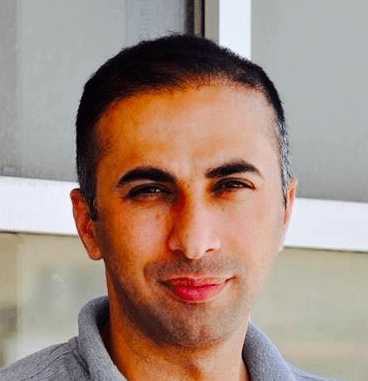
Heyrsh Abdulrahman is a Washington-based senior analyst and former Kurdish regional government official with experience in Iraqi political-military affairs and US–Iraq security relations.
He writes on Middle East security and Iraqi governance for US and international outlets.
The views and opinions expressed here are those of the author and do not necessarily reflect the editorial position of The Defense Post.
The Defense Post aims to publish a wide range of high-quality opinion and analysis from a diverse array of people – do you want to send us yours? Click here to submit an op-ed.