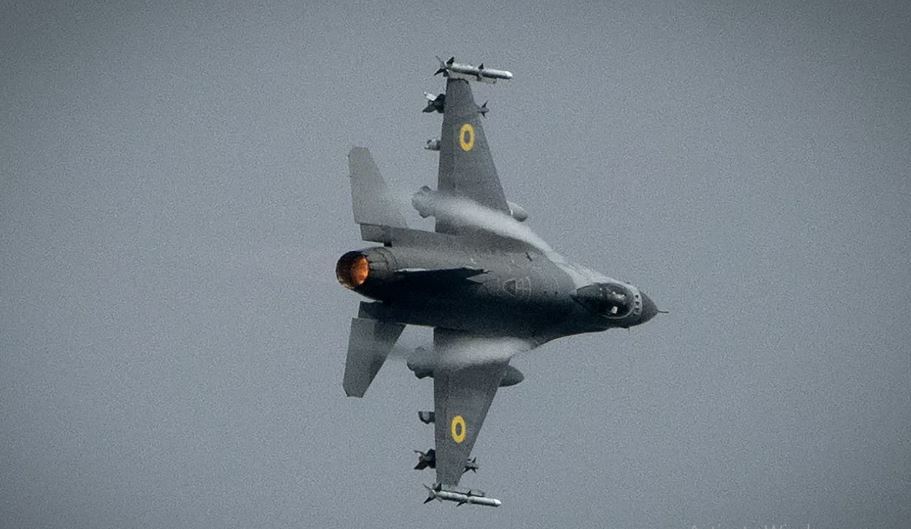
Norway is providing Ukraine with 3.2 billion Norwegian kroner ($312 million) in military support through the JUMPSTART funding mechanism.
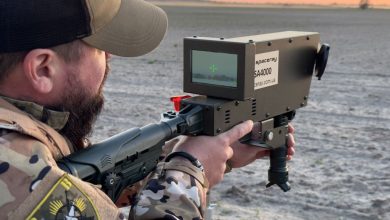
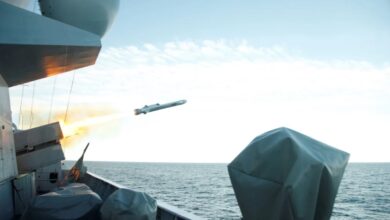
The package includes more than 1 billion kroner ($97 million) for F-16 ammunition and funding for an advanced precision weapon system that converts low-cost missiles into precision-guided munitions.
It also provides over 500 million kroner ($48 million) for S-300 surface-to-air missiles, which the war-torn country has heavily relied on.
“Ukraine’s freedom and independence are completely dependent on the military support provided by allies and partners,” stated Norway’s Prime Minister Jonas Gahr Støre.
Norwegian Defense Minister Tore O. Sandvik added that the goal is to provide equipment that has an immediate impact on the battlefield while also helping Kyiv to develop longer-term capabilities.
JUMPSTART Scheme
The JUMPSTART program prioritizes acquisitions of widely available, cost-effective systems to complement advanced long-range weapons, helping Ukraine manage ammunition needs and strengthen its air defenses.
It operates under the US foreign military sales framework, allowing Norway to acquire complete military equipment and support directly from the US Department of Defense.
Oslo has previously used the program to support Ukraine’s F-16s, including spare parts and weapons.
This year, the Scandinavian nation has disbursed nearly 10 billion kroner ($977 million) to Kyiv through JUMPSTART, including 3.24 billion kroner ($316 million) in December.
Shrinking Funds
Despite recent Norwegian support, military aid for Ukraine fell sharply in the second half of 2025, as declining European contributions could not offset the reduction in US assistance, according to the Kiel Institute.
After record European pledges of nearly 20 billion euros ($23 billion) earlier in the year, only 8 billion euros ($9.3 billion) were provided between July and October, marking one of the lowest aid totals since Russia’s 2022 invasion.
Overall aid for the first 10 months of 2025 reached 32.5 billion euros ($37.8 billion), leaving a shortfall of 9.1 billion euros ($10.5 billion) to maintain the annual average seen from 2022 to 2024.