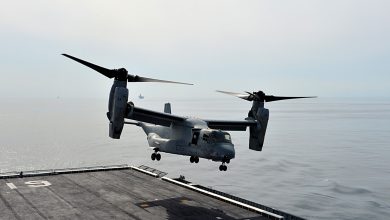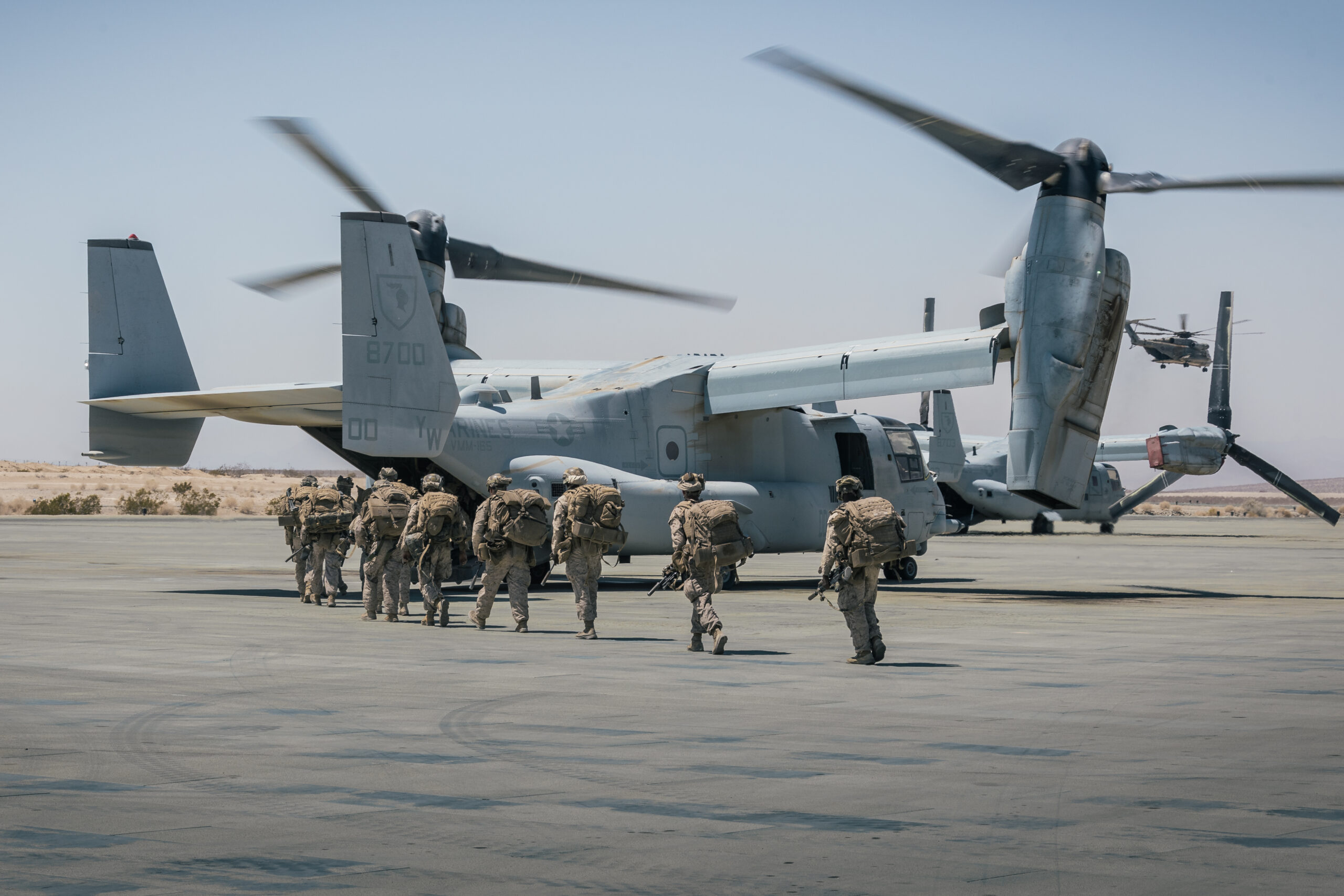
The US has identified longstanding safety, maintenance, and oversight failures in the V-22 Osprey program after fatal crashes have killed 20 service members since 2022.
Reports from the Naval Air Systems Command (NAVAIR) and the Government Accountability Office (GAO) confirmed that the V-22 is still safe to fly under current guidelines, but admitted that unresolved risks have built up since the aircraft started service nearly 20 years ago.
The agencies also cited an increase in accidents and poor coordination between military branches.
“The cumulative risk posture of the V-22 platform has been growing since initial fielding,” the offices stated, noting that known hazards were not mitigated “in a timely manner,” allowing risks to persist for years.
Rising Accident Rates, Mechanical Issues, and Coordination Gaps
Data specified that the joint force experienced 18 serious non-combat Osprey accidents in fiscal 2023 and 2024, with rates between 36 percent and 88 percent higher than averages over the prior eight years.
The most severe mishaps involved airframe or engine failures and human error during flight or maintenance.
Reports identified hard clutch engagements, which can cause sudden power loss, and defects in proprotor gearbox components as major causes of the incidents.
One related flaw, dating back to 2006, was not evaluated until 2024, and full fixes for some gearbox issues are not expected until 2034.
The reviews also criticized the V-22 Joint Program Office for inconsistent maintenance standards and poor information sharing between the US Navy, Marine Corps, and Air Force.
Investigators found no formal process for exchanging hazard reports, emergency procedures, or sustainment data.
Steps Toward Improvement and Enhanced Safety
To address these issues, NAVAIR Commander Vice Adm. John Dougherty said the command is implementing 32 recommendations to improve safety and readiness.
“We are continuously evaluating procedural compliance to prevent mishaps as well as strengthening airworthiness controls to establish clear risk thresholds,” he stated.
Concurrently, the GAO called for clearer oversight roles, faster hazard control, and mandatory sharing of safety information across all V-22 operators to optimize interoperability and prevent future incidents.