The war in Ukraine has entered a strange and suspended moment. The front lines, once fluid and unpredictable, have hardened into a stalemate.
Today the real contest is not fought with artillery but with balance sheets. It is unfolding in conference rooms from Geneva to Brussels and revolves around immobilized Russian sovereign reserves worth roughly 176 to 185 billion euros held in Europe, with additional sums frozen elsewhere.
These funds were once the clearest symbol of Western resolve. They have now become the very dispute that threatens to fracture it.
That fracture is no longer hypothetical. A rapidly escalating transatlantic clash over who controls these assets — and whether they are diplomatic leverage or reparations — now risks splitting the alliance that has sustained Ukraine since 2022.
The Philosophical Divide
At its core is a philosophical chasm that no amount of diplomatic language can paper over.
Washington, shaped by a tradition of deal-making and a domestic political imperative to show taxpayers that Ukraine is not an open-ended check, sees the frozen reserves as the ultimate carrot and stick.
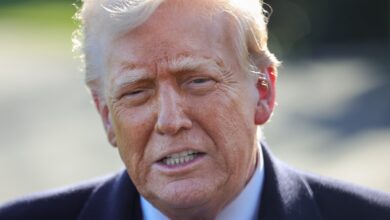
Redirecting $100 billion or more into a US-led reconstruction vehicle would simultaneously offset part of the $175 billion America has already committed, reassure skeptical Republican voters, and give Donald Trump the leverage he believes can end the war on his terms.
In this worldview, principles are negotiable when the alternative is perpetual bleeding — financial and human.
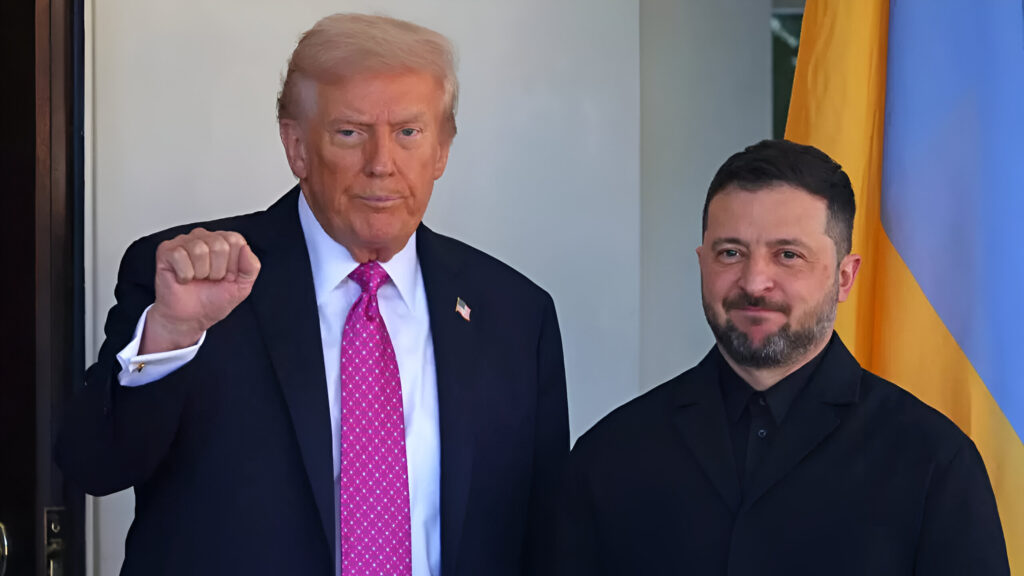
Europe’s Calculus
Europe, scarred by two world wars launched from its own soil and by Russia’s repeated violations of the post-1945 order, cannot accept that calculus.
For Brussels, Berlin, Paris, and especially the Baltic and Polish capitals, turning sovereign assets into bargaining chips would mean rewarding the crime that the sanctions were designed to punish. Estonian Prime Minister Kaja Kallas put it bluntly: releasing the money before iron-clad reparations are locked in tells every future aggressor that war is a manageable business risk.
Europe’s plan — using both windfall profits and eventually the principal as collateral for a 140-billion-euro reparations loan — was meant to thread the needle between legality and urgency.
The European Central Bank’s refusal on December 2 to provide a financial backstop effectively killed that hope, leaving Europe with principle but no immediate cash.
The rupture widened dramatically after leaked transcripts revealed President Trump’s envoy Steve Witkoff discussing peace terms, and the possible release of frozen assets, with Russian counterparts in Geneva.
European fury was instant.
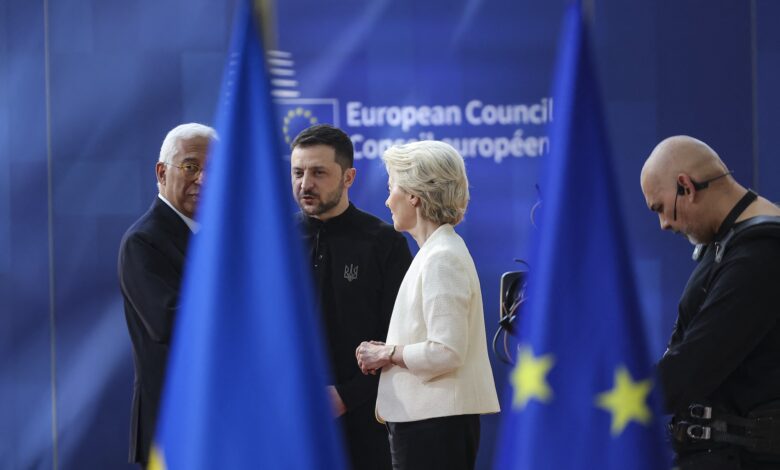
Commission President Ursula von der Leyen responded with a line that now defines the crisis: “Nothing about Ukraine without Ukraine. Nothing about Europe without Europe. Nothing about NATO without NATO.”
Emmanuel Macron declared that France alone would decide the fate of assets frozen in French jurisdiction; German Chancellor Friedrich Merz called the financial clauses in the US proposal “unacceptable”; Baltic leaders warned that premature release would destroy deterrence for generations.
Washington, facing a united European wall, has since softened some demands — dropping aggressive profit-sharing clauses and adjusting oversight language — but the core disagreement remains.
Ukraine’s Urgency
Kyiv, meanwhile, is running out of time.
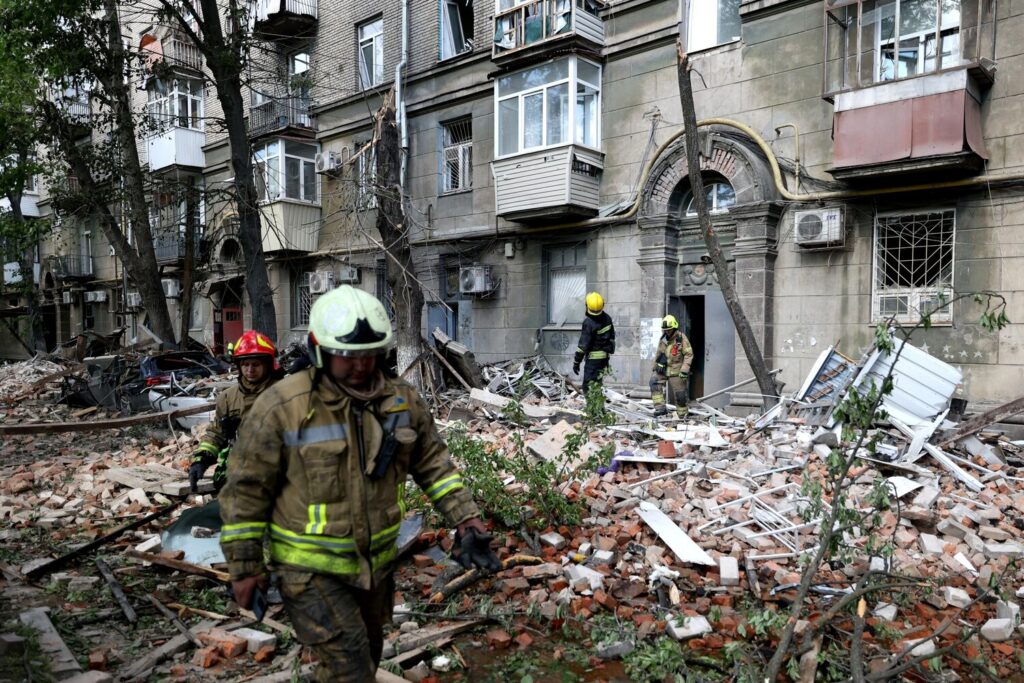
European defense intelligence now estimates that at current consumption rates and with current production and delivery schedules, Ukraine’s 155 mm artillery ammunition will fall to critical levels by late March or early April 2026.
When spring mud turns to hard ground, Russia will have the initiative.
Without a massive injection of new funding for shells, air defense missiles, and drones, Ukrainian commanders openly warn of cascading collapses along the 1,000-kilometer front.
The frozen assets were supposed to be the war-winning financial weapon; instead they have become the symbol of Western paralysis.
Global Consequences
The consequences reach far beyond Ukraine. If Washington prevails and sovereign reserves are transformed into negotiable currency, the signal to Beijing will be deafening.
China already holds only 2.7 percent of its reserves in euros and is accelerating de-dollarization; a precedent that Russian central bank assets can simply be seized would turbocharge that trend.
Saudi Arabia, India, Brazil, and others would follow.
The era of uncontested Western financial hegemony could end not with a bang but with quiet diversification orders in central bank vaults from Riyadh to New Delhi.
A Possible Compromise
If Europe prevails and irrevocably ties the funds to reparations, it will have forged the strongest deterrent against territorial aggression since 1945, yet only by prolonging a war that risks Ukrainian collapse and a poisonous transatlantic blame game that could outlast the fighting itself.
A compromise remains possible and urgent: a hybrid instrument under joint US–EU oversight, with capped returns channeled to a transparent reconstruction fund and iron-clad legal protections for Euroclear and other depositories.
It would blend American urgency with European principle and prevent either side from claiming total victory.
Those frozen billions are more than accounting entries. They have become the true frontline of this conflict — and the clearest test of whether the West can still convert financial power into unified strategy before mutual mistrust inflicts a wound deeper than any Russian advance.

Imran Khalid is a geostrategic analyst and columnist on international affairs, with regular contributions to international outlets including Newsweek, The Hill, Foreign Policy in Focus, Nikkei Asia, Brussels Morning, Munich Eye, InfoLibre, DC Journal, Devex, Boston Herald, Japan Times, Mail & Guardian, and EU Reporter.
His commentaries have also appeared across leading European, African, and Asia-Pacific publications.
The views and opinions expressed here are those of the author and do not necessarily reflect the editorial position of The Defense Post.
The Defense Post aims to publish a wide range of high-quality opinion and analysis from a diverse array of people – do you want to send us yours? Click here to submit an op-ed.