South Korea’s HD Hyundai Heavy Industries has struck a partnership with India’s largest state-run shipbuilder Cochin Shipyard to collaborate on the Indian Navy’s landing ship program.
Under a memorandum of understanding, Hyundai Heavy will assist Cochin Shipyard with project planning, procurement, productivity improvement, and workforce training linked to the navy’s Landing Platform Dock (LPD) initiative, according to a report by Yonhap News Agency.
Company officials said the deal represents a “strategic partnership” that could help Hyundai Heavy enter India’s market for specialized naval vessels, from amphibious assault ships to auxiliary support craft.
It also comes as New Delhi accelerates a 15-year defense modernization plan that calls for greater indigenous capability across air, land, and sea domains.
India’s Technology Perspective & Capability Roadmap 2025 — the framework guiding this modernization — sets clear priorities for strengthening maritime power, including the development of next-generation destroyers, nuclear propulsion systems, and amphibious assault platforms such as the LPD.
Inside the Indian Navy’s Landing Platform Dock Program
At the heart of this collaboration lies one of India’s most closely watched naval procurement efforts: the Landing Platform Dock program.
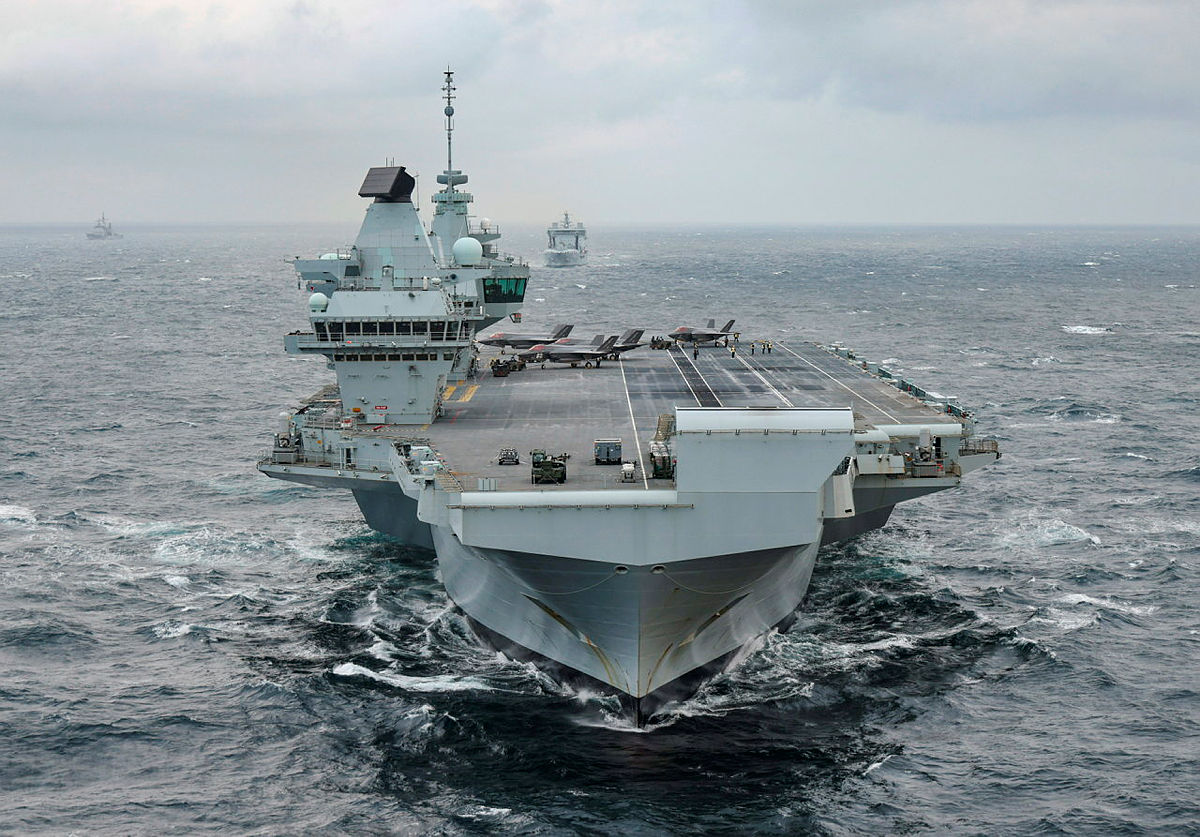
Designed to bolster India’s amphibious warfare and disaster response capabilities, the LPDs will function as multi-role vessels capable of transporting troops, tanks, and helicopters for overseas missions or humanitarian operations.
The navy’s plan envisions four large LPDs, each displacing more than 20,000 tons and equipped with advanced command-and-control systems.
These ships will significantly expand India’s ability to project power across the Indian Ocean, where it faces growing Chinese naval presence and rising strategic competition.
Cochin Shipyard, long involved in building India’s first indigenous aircraft carrier INS Vikrant, has been vying to lead the LPD construction effort. However, the program has faced repeated delays due to funding constraints and shifting procurement priorities.