South Korea Expands Drone Systems With New AeroVironment Partnership

AeroVironment and Korean Air have signed an agreement to work together on developing and producing a new type of tactical unmanned aerial system (UAS) for South Korea.
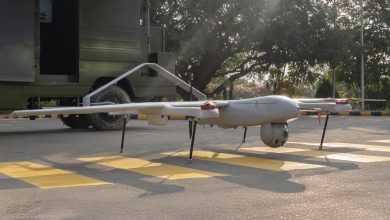
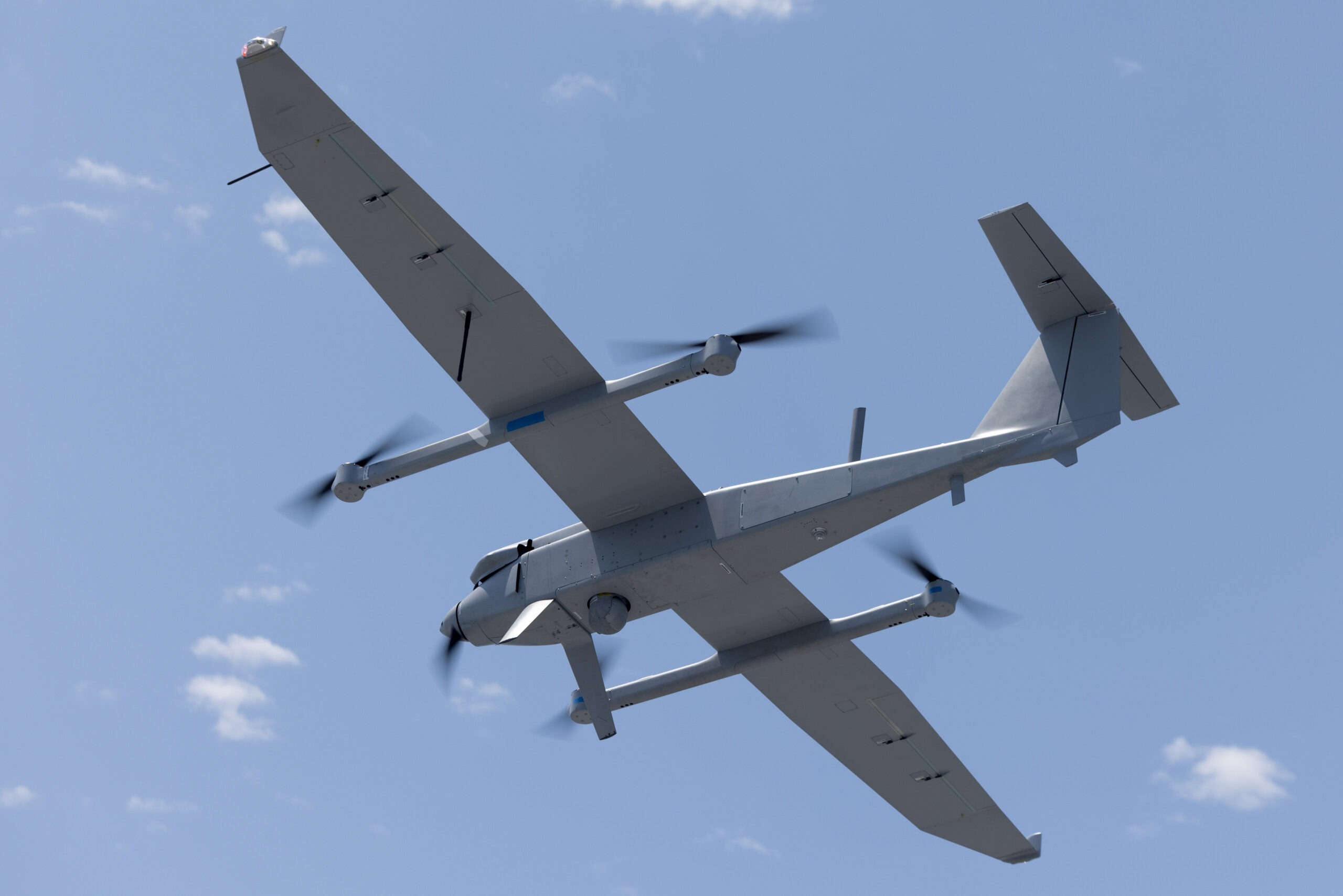
The deal designates Korean Air as AeroVironment’s primary local partner, with initial projects focused on a customized version of the JUMP 20, a fixed-wing drone capable of vertical takeoff and landing and long-range flight.
The companies plan to adapt the system to address the South Korean military’s requirements while sharing research, production, and technology.
According to AeroVironment, the introduction of systems from the partnership will further grow Seoul’s UAS fleet and help prepare its armed forces for future operations, considering that autonomous systems are now becoming critical in modern warfare.
Moreover, the collaboration will support the East Asian country’s plan to strengthen its defense industry by expanding local manufacturing capacity, advancing new technologies, and reducing reliance on foreign systems.
“This agreement signals our growing international footprint, market presence, and commitment to delivering adaptable solutions in collaboration with trusted, in-country partners around the world,” said Larry Satterfield, senior director of business development for Asia Pacific at AeroVironment.
“With incredible mission flexibility and a rapidly growing global demand for the platform, JUMP 20 will anchor our partnership with Korean Air and meet Korea’s emerging defense needs.”
The JUMP 20 VTOL
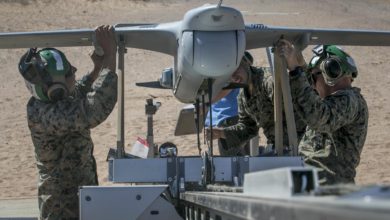
AeroVironment’s JUMP 20 can be utilized without a runway or launch system, allowing operators to deploy and recover it in under 30 minutes.
The drone can carry cameras, sensors, or other payloads for intelligence, surveillance, and reconnaissance missions as well as border monitoring.
Its airframe measures 10 feet (3 meters) in length, has a wingspan of 19 feet (6 meters), a payload capacity of up to 30 pounds (14 kilograms), and a maximum gross takeoff weight of 215 pounds (96 kilograms).
The UAS is powered by a 190-cubic-centimeter Electronic Fuel Injection engine using regular gasoline for 50 knots (58 miles/93 kilometers per hour) of flight speed and an operational altitude of 17,000 feet (5,1812 meters). It can also communicate with its controllers up to 115 miles (185 kilometers) away and stay in the air for more than 13 hours.
The JUMP 20 is already in service with several NATO members, including Denmark and Italy.