DJI to Remain on Pentagon Blacklist Over Suspected China Ties, Judge Rules

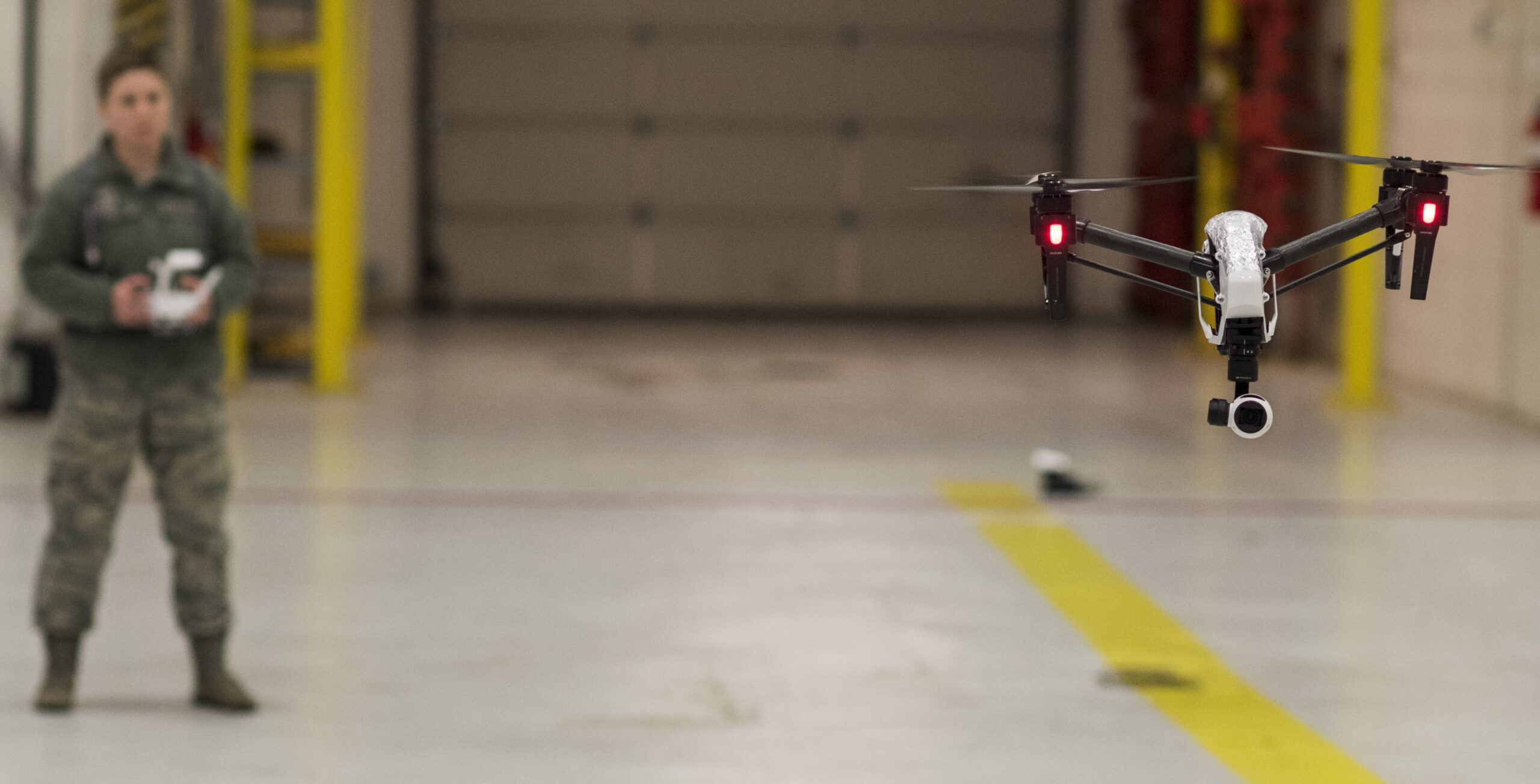
The US has refused to remove Da-Jiang Innovations (DJI), the world’s largest drone maker, from a Defense Department list of companies accused of supporting China’s military.
US District Judge Paul Friedman ruled that the Pentagon had enough evidence to link the Shenzhen-based company to China’s defense industry, according to Reuters.
The decision leaves the company on the Section 1260H list, a government watchlist that flags companies seen as national security risks. Being on the list can block access to US contracts, grants, and other federal programs.
DJI sued the Department of Defense in October 2024, arguing it is “neither owned nor controlled by the Chinese military.” The company said the label was unfair, hurt its reputation, cost it business, and shut it out of federal deals.
Friedman said some of the Pentagon’s arguments were weak, but ruled there was still enough evidence, pointing to Chinese government support, state subsidies, and reports of DJI drones used in the war in Ukraine.
“Whether or not DJI’s policies prohibit military use is irrelevant,” Friedman wrote. “That does not change the fact that DJI’s technology has both substantial theoretical and actual military application.”
Growing US Pressure
DJI controls more than half of the US commercial drone market and about 75 percent worldwide. Still, Washington has steadily tightened rules around the company.
The Department of Commerce blacklisted DJI in 2020, and the Department of Treasury later barred Americans from investing in it over alleged human rights abuses in China’s Xinjiang region.
The Congress also pushed for a possible US import ban by the end of this year unless the company passes a national security review.
US customs officials have already blocked shipments at the border, while lawmakers accuse DJI of benefiting from unfair subsidies, forced labor, and posing hacking risks.
In a statement, DJI said it was “disappointed” with the recent ruling but noted the judge rejected most of the Pentagon’s claims, South China Morning Post reported.
“This decision was based on a single rationale that applies to many companies that have never been listed,” the company said, adding it is weighing its next legal steps.