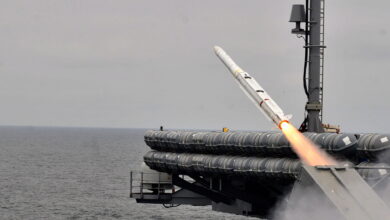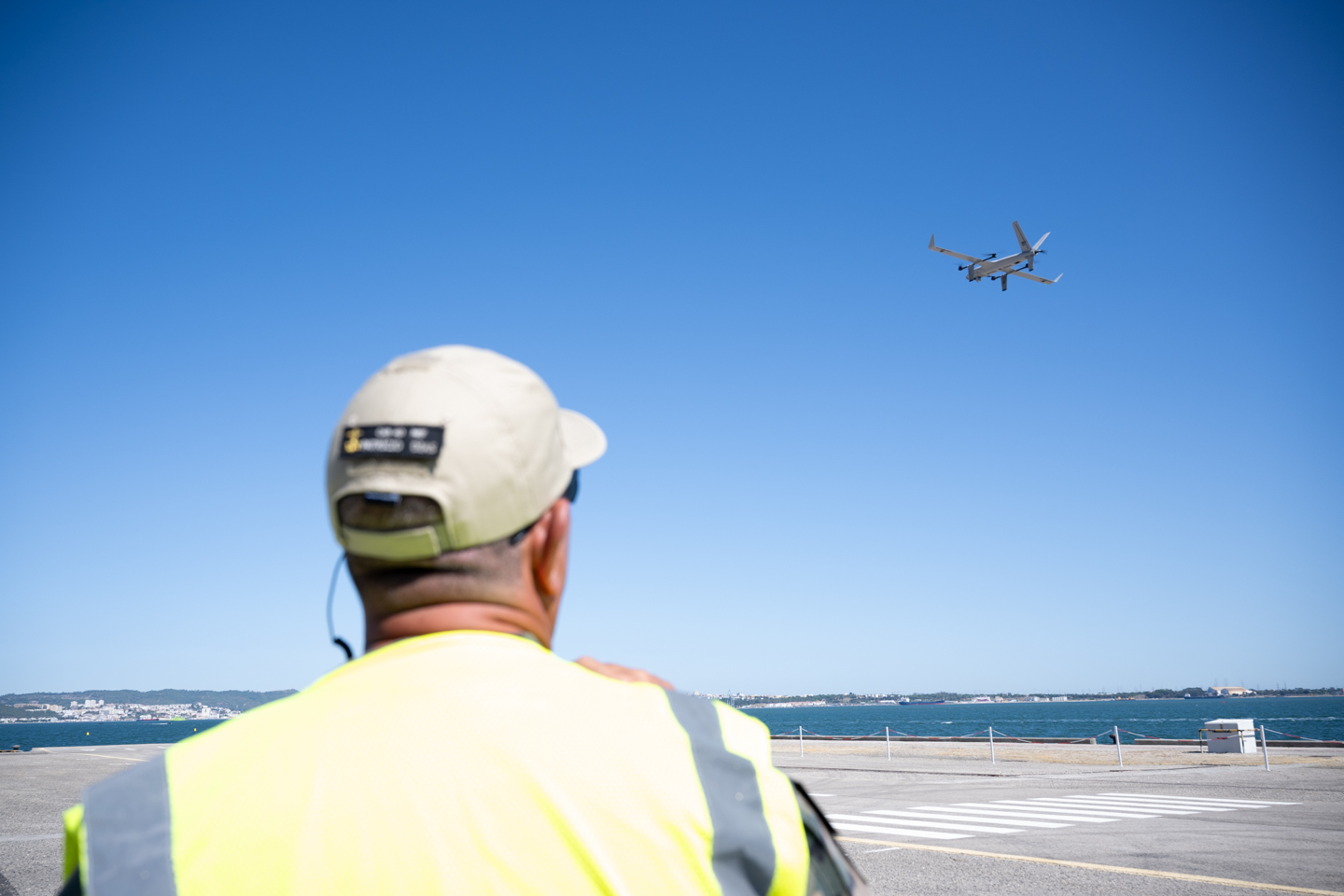
NATO members have started multinational maritime exercises off Portugal’s Atlantic coast, focusing on unmanned maritime systems and innovative technologies.
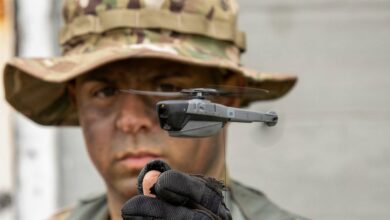
The drills are taking place through two main components. One is Robotic Experimentation and Prototyping with Maritime Unmanned Systems, dedicated to testing robotic technologies.
The other is Dynamic Messenger, NATO’s operational experimentation initiative, providing a controlled environment to assess new maritime capabilities.
More than 2,000 participants and around 260 systems from 22 allied nations are involved.
Observers from 13 additional countries are also taking part, including Australia, Bahrain, Brazil, and South Korea.
Participants conduct operations in undersea infrastructure protection, persistent surveillance, naval mine warfare, and undersea warfare.
They also focus on countering unmanned vehicles and multi-domain command and control.
The exercise is hosted by the Portuguese Navy and co-organized by NATO’s Allied Maritime Command (MARCOM) and Allied Command Transformation.
MARCOM serves as the central command for all NATO maritime forces, with its commander acting as the primary maritime advisor to the alliance.
Industry and academia are also involved during the event to accelerate the integration of systems into NATO operations.
Key participants include the University of Porto’s Faculty of Engineering, the Centre for Maritime Research and Experimentation, the NATO Joint Capability Group on Maritime Unmanned Systems, and the European Defence Agency.
Boosting Defense Spending
As NATO works to strengthen its operational capabilities and test new defense solutions, member states are preparing for a major increase in military spending.
At a June summit in The Hague, the 32-nation alliance agreed to raise the defense investment target to 5 percent of GDP over the next decade, replacing the two percent benchmark set in 2014.
The move came amid pressure from US President Donald Trump, who has tied Washington’s commitment to NATO to greater European contributions.