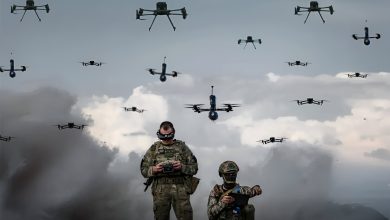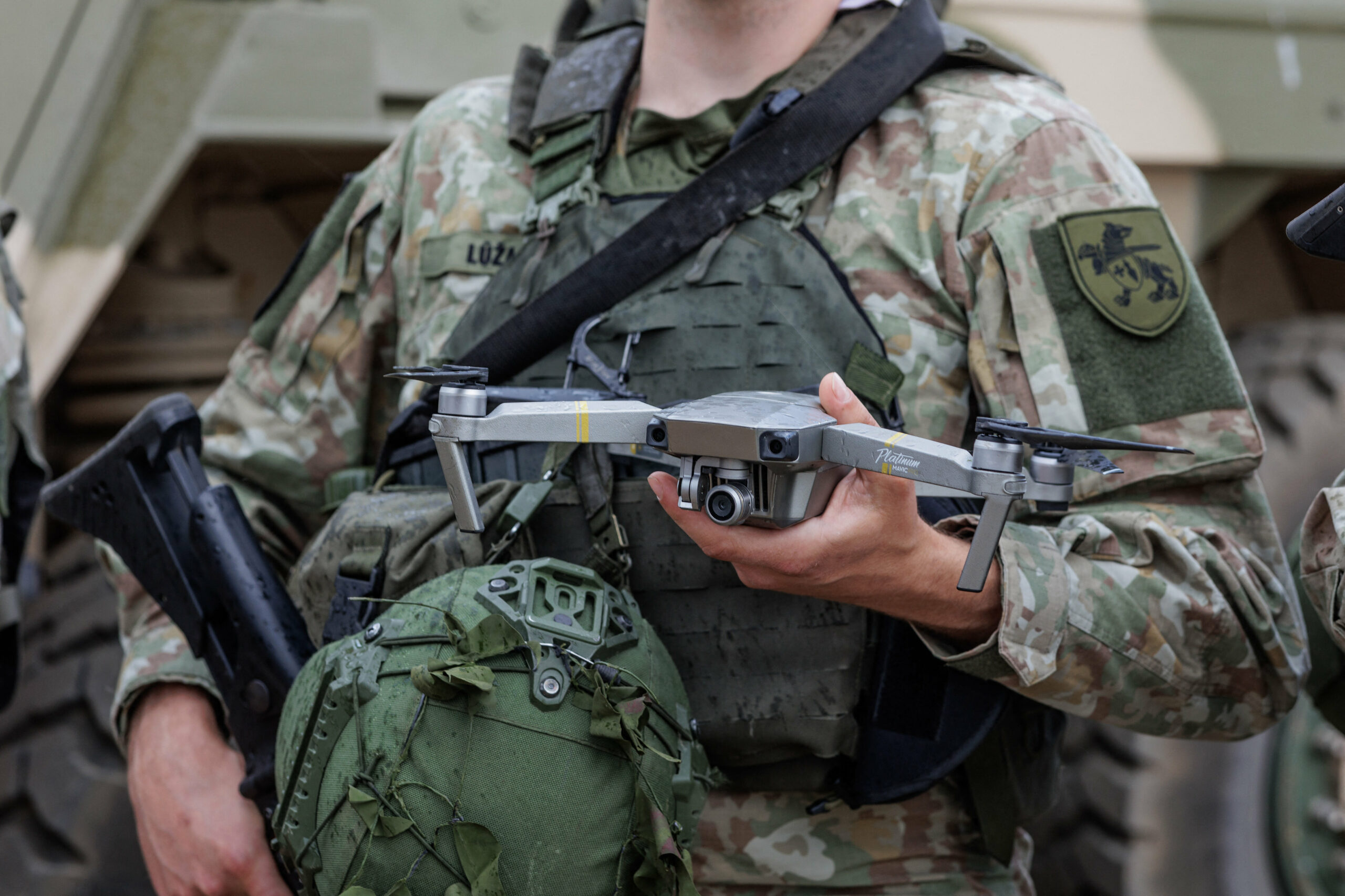
Lithuania is beginning a systematic integration of unmanned aerial systems across its armed forces, Chief of Defence Raimundas Vaikšnoras announced.
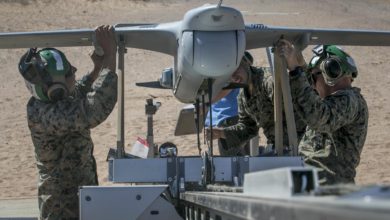
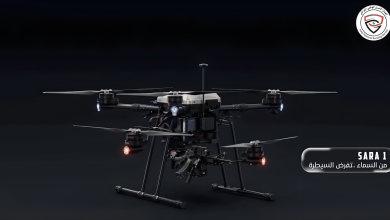
Each infantry squad is set to receive a reconnaissance drone, while higher-level units will be equipped with intelligence and combat UAV systems.
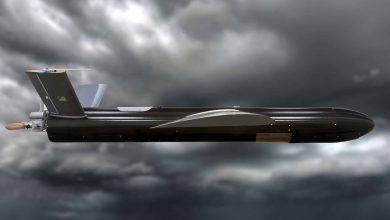
Development of long-range strike drones is also underway to support deep-penetration strike capabilities.
A UAV systems training center has been established at the Lithuanian Armed Forces School, where operators, including personnel with combat experience in Ukraine, are being trained in reconnaissance and strike drone operations.
Moreover, the Baltic nation plans to establish a separate medium-range air defense battalion equipped with NASAMS batteries, as well as multiple short-range units utilizing MSHORAD systems.
Vilnius is also adopting cost-effective solutions to counter aerial threats, drawing on Ukrainian battlefield experience with low-tech but reliable systems.
The approach includes acquiring additional sensors and expanding engagement capabilities to enable a fast and effective response.
“We see that, to effectively destroy all potential aerial targets, we must be ready to respond quickly and reliably when needed, which requires additional sensors and broader neutralization capabilities,” stated Vaikšnoras.
Strengthening Military Readiness
Lithuania has taken several steps to scale up its defense efforts amid growing security concerns linked to its proximity to Russia.
Earlier this month, local satellite telecommunications firm Astrolight tested a laser communication system between two naval vessels.
In June, the country signed a memorandum of understanding with Northrop Grumman to expand co-production of medium-caliber ammunition and selected the Embraer C-390 Millennium as its next military transport aircraft.
In May, Vilnius announced a 300-million-euro ($337-million) investment plan aimed at strengthening its defense industry.
The initiative follows an earlier commitment to allocate up to 6 percent of GDP annually to defense from 2026 to 2030, exceeding NATO’s new target of 5 percent.