DIU Seeks Next-Gen Underwater Kamikaze Drones

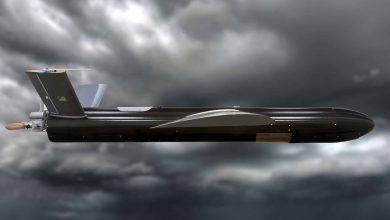
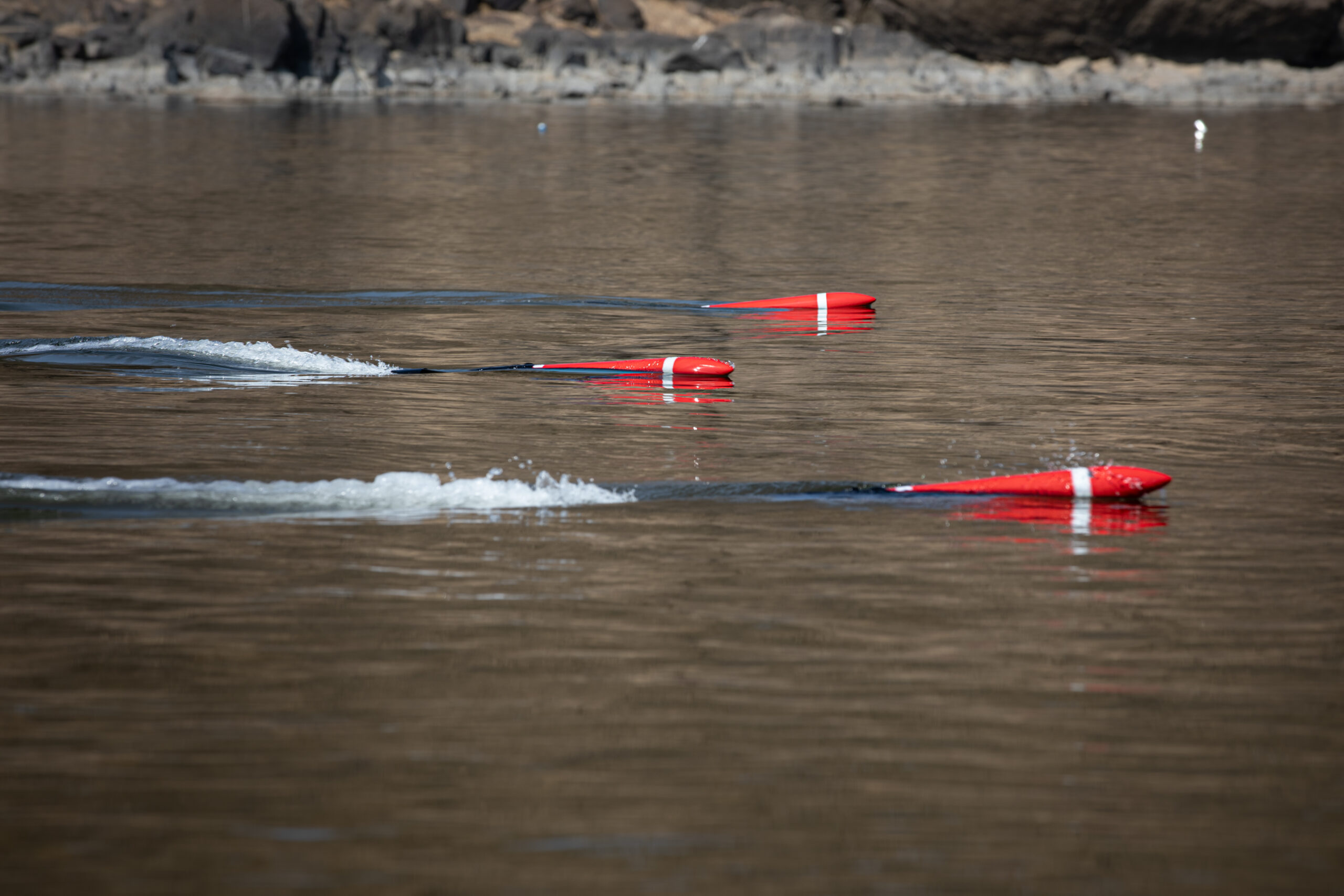
The Defense Innovation Unit (DIU) has launched a tender for unmanned underwater vehicles (UUVs) capable of delivering kinetic effects for mission-specific applications.
The single-use drones are planned to be deployed for subsea and seabed warfare, intelligence, surveillance, and reconnaissance (ISR), as well as expeditionary tasks.
Each product to be offered should have an affordable price point and be built in small and medium UUV classifications.
The notice implies that future platforms are expected to outperform current and legacy systems, which, while highly capable, require long production timelines, extensive training, mission-specific reconfiguration, and technical experts to process data.
One-Way Attack
Under the solicitation, DIU seeks a UUV variant with a “one-way attack” capability and another with a submarine-launched function.
The first proposal should be effective for strike or sabotage operations with sufficient speed and endurance to track and engage static or moving targets. It will be launchable from surface/subsurface crewed and uncrewed host vessels, or shore-based infrastructure such as piers.
The drone should have a length of 120 inches (305 centimeters), a diameter of 13 inches (33 centimeters), and a total weight of 800 pounds (363 kilograms) or less, including payload.
It must support payloads measuring either 13 by 17 inches and weighing 135 pounds (33 by 43 centimeters, 61 kilograms), or 13 by 31 inches and 182 pounds (33 by 79 centimeters, 82 kilograms).
Submarine-Launched
For the second drone, the system should be recoverable without the aid of divers. It will launch from 21-inch (53-centimeter) torpedo tubes and must operate for at least two days or cover 120 nautical miles (138 miles/222 kilometers).
The hull should support a payload with a diameter of 13 inches (33 centimeters), a length of 54 inches (137 centimeters), and a power supply of 18 amperes at 18 to 40 volts direct current.
The option for a tethered architecture is allowed, but should minimize dependence on transponders, GPS, or seafloor positioning-based navigation.
Follow-On Deal Expected
DIU said that the resulting prototypes from this effort “may lead to a follow-on production contract or transaction without further competition.”
“This follow-on effort could be used by one or more [Department of Defense] organizations and may be significantly larger in scope and value than the original prototype,” according to the agency.