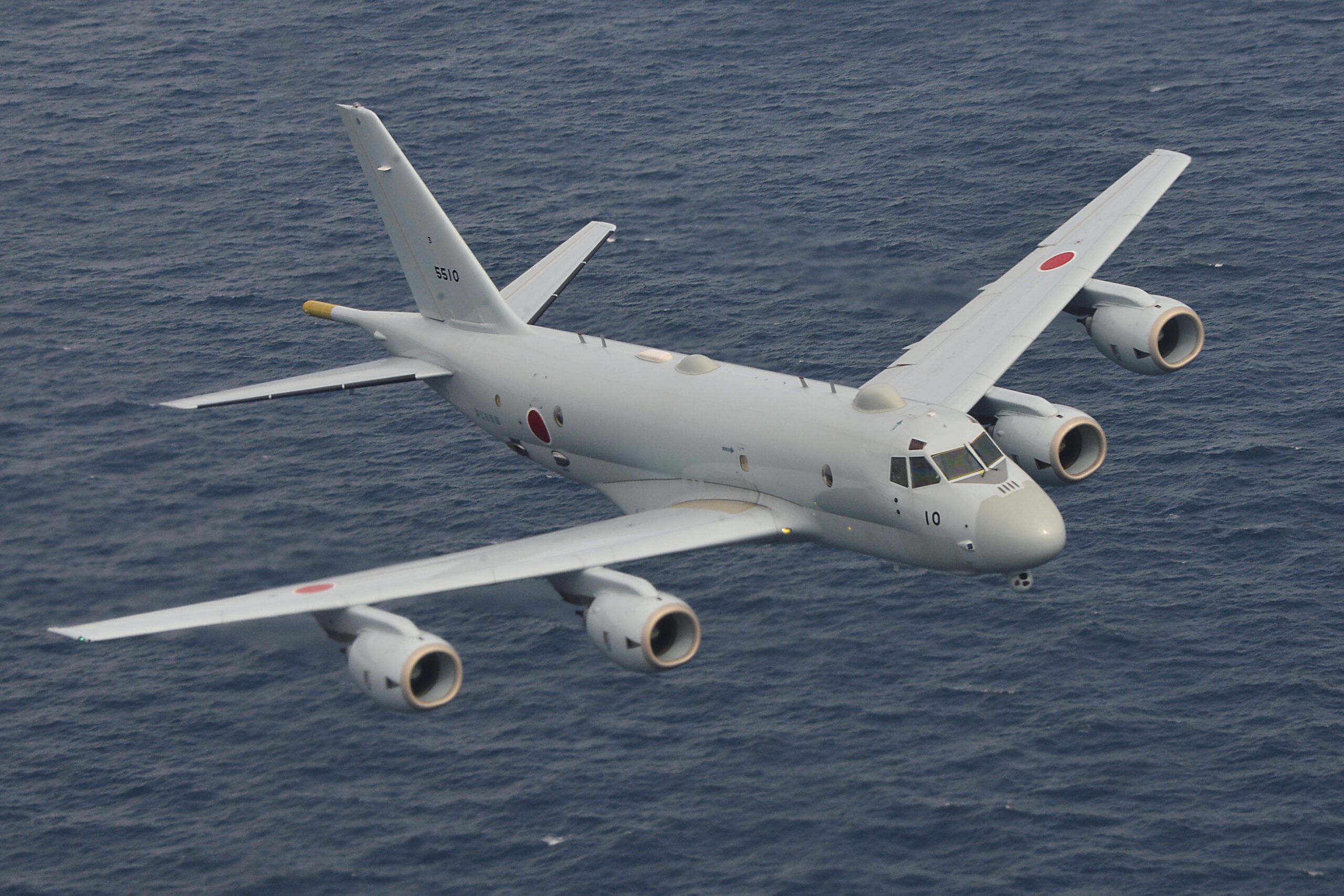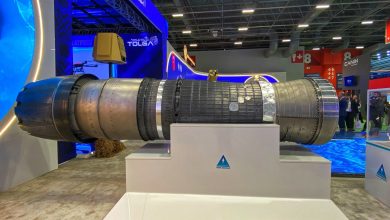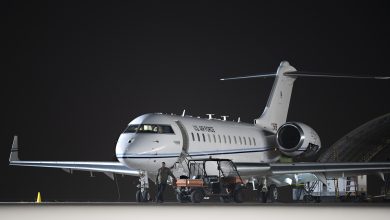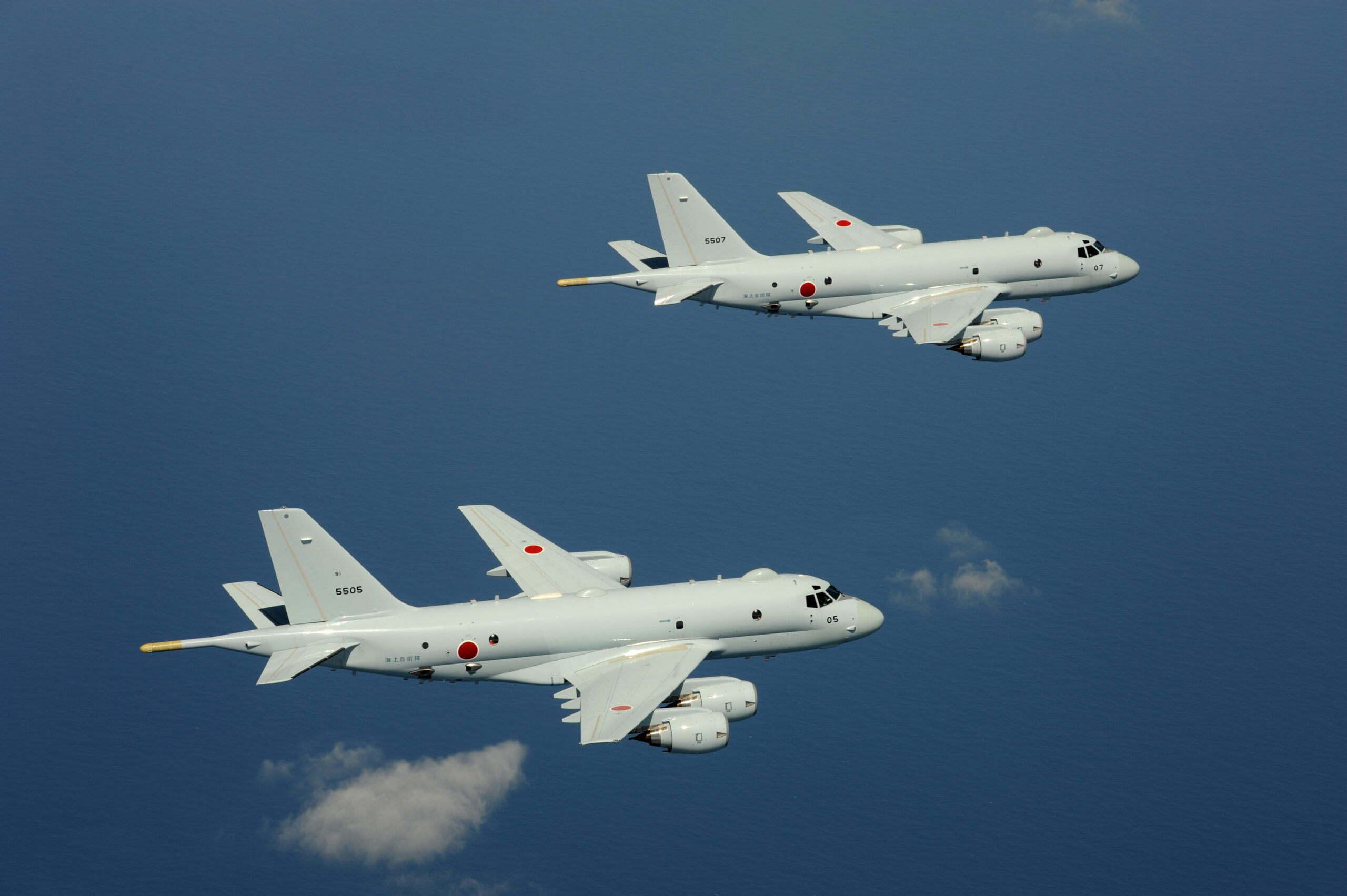
Japan’s Maritime Self-Defense Force is grappling with the reduced operational availability of its Kawasaki P-1 maritime patrol aircraft fleet, primarily due to persistent engine malfunctions.
Findings from the government’s Board of Audit indicate that the issue stems from corrosion caused by salt exposure. Additional problems were found in the planes’ onboard electronics and weapon systems.
The setbacks have led to limited deployments, with only a small portion of the fleet able to carry out missions without restrictions between 2019 and 2023.
Another concern facing the P-1s is the growing shortage of replacement parts and labor, which has led to used components being rotated between aircraft.
Asahi reported that the total cost for development, procurement, and repair of planes through 2023 amounted to 1.776 trillion yen ($12.3 billion).
While the Board of Audit did not disclose the operational status of the P-1 aircraft, the agency called for a “more effective approach” for parts acquisition, according to Nikkei Asia.
“The Ministry of Defense needs to work together to improve the situation,” the outlet reported, citing the oversight committee.
In response, the Japanese defense arm said that it would find solutions to address related issues by fiscal year 2027, with contracts for inspection and repairs expected.
The Kawasaki P-1
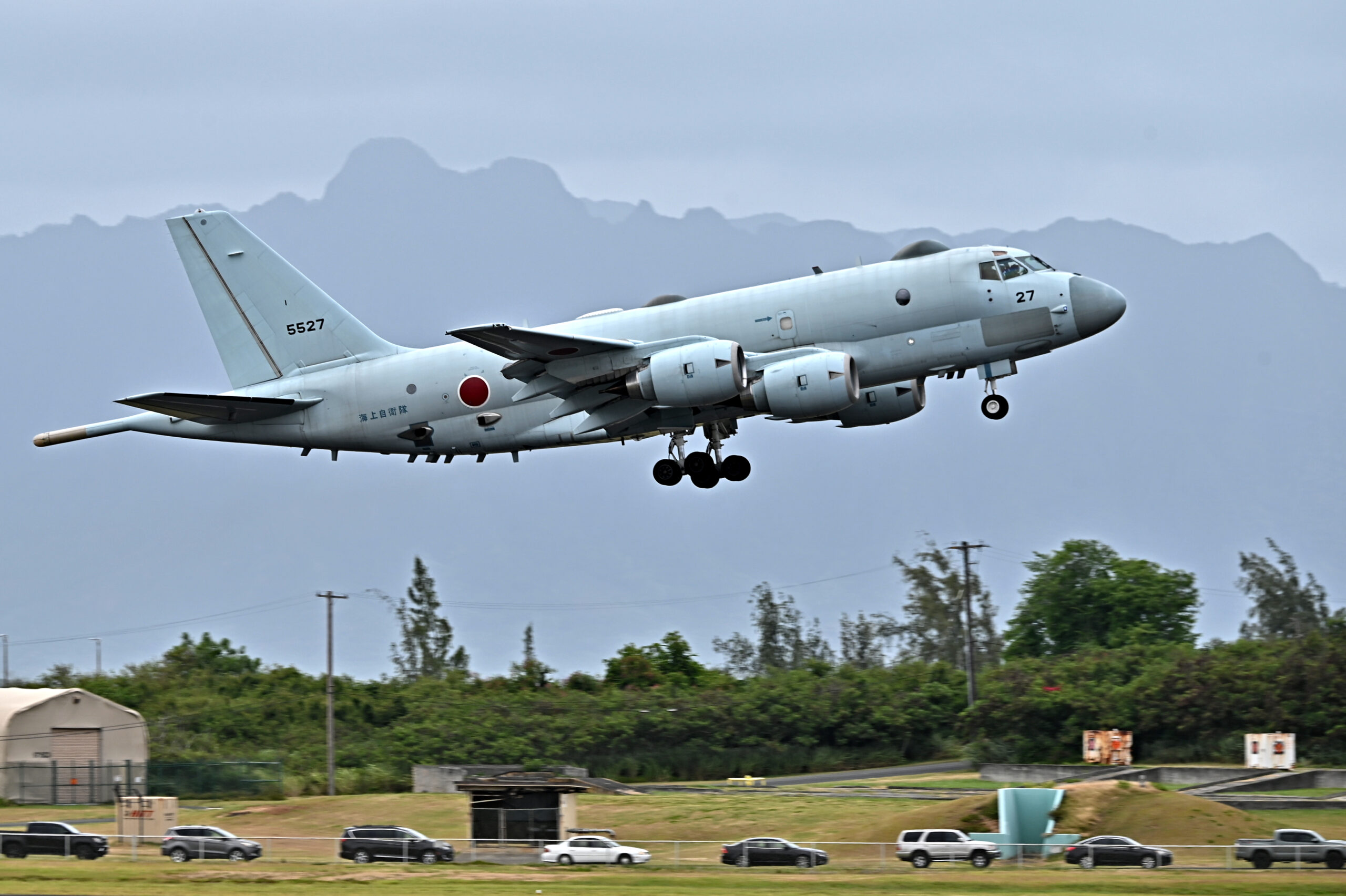
The P-1 was first introduced in 2013 to replace the Japanese navy’s Lockheed P-3C Orion fleet for surveillance across territorial waters as well as anti-submarine warfare.
It is equipped with phased-array radar and sonar for simultaneous surface and underwater monitoring, as well as specialized mission systems for enhanced tracking, communication, and electronic warfare capabilities.
The 40-meter (131-foot) plane is powered by four IHI F7-10 turbofan engines with about 19,700 horsepower each for a speed of 460 knots (852 kilometers/529 miles per hour), a range of 2,400 nautical miles (4,445 kilometers/2,762 miles), and a service ceiling of 10,000 meters (32,808 feet).
In 2024, Tokyo invested approximately $280 million to assemble a new electronic warfare aircraft based on the P-1 architecture.